Dramatic Shakeup Coming To Hawai‘i County Council
Jun 10, 2026 | 6:01 am ET
Description
Photo courtesy of Honolulu Civil Beat
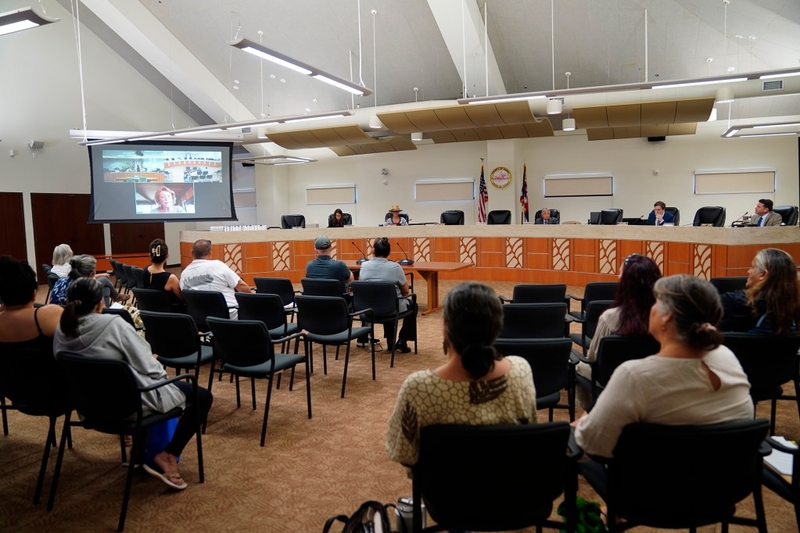
The Hawaiʻi County Council has tough decisions to make over the next two years, and those choices will fall in the hands of at least four new members as the council undergoes significant turnover this election.
The nine-member council will have the power to decide if a crucial homeless and housing fund will continue, and it will need to figure out how to deliver essential services while balancing a tight budget, It will also address ongoing issues like a housing shortage, balancing development and the environment and repairing and upgrading its wastewater systems.
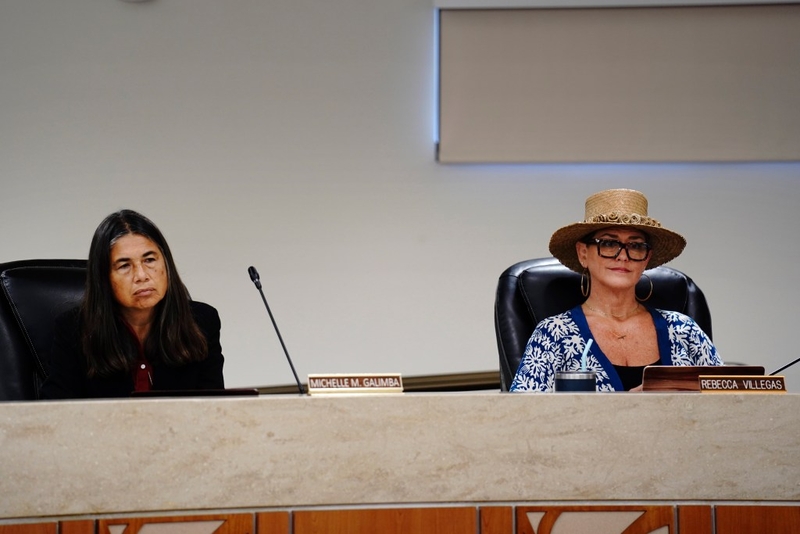
Three council members — Ashley Kierkiewicz, Matt Kealiʻi-Kleinfelder and Rebecca Villegas — are termed out. Michelle Galimba is not seeking another two-year term. This could lead to a dramatic shift in how the council operates, former council chair Valerie Poindexter said.
“Four new members is significant,” she said. “It creates an opportunity for a shift in priorities, alliances and leadership.”
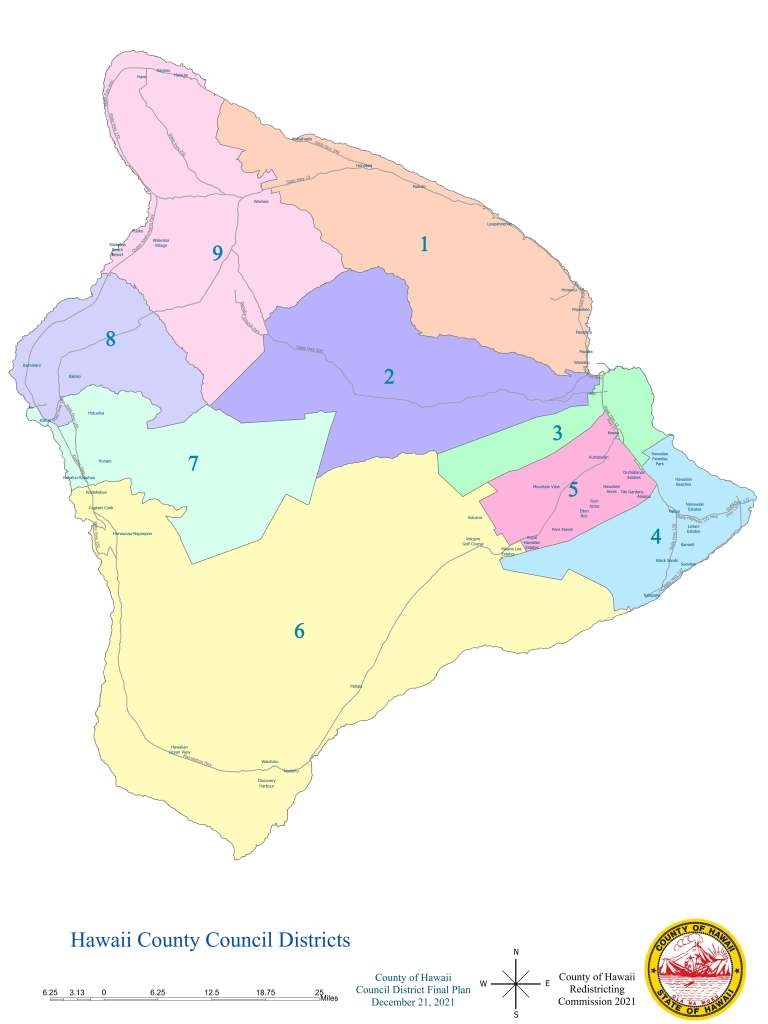
Candidates have lined up to challenge three of the five incumbents in districts 1, 2, 3, 8 and 9. Some hopefuls are familiar: such as UFC Hall of Famer BJ Penn; former council member Eileen O'Hara, who lost to Kierkiewicz in 2018; and Kealiʻi-Kleinfelder’s wife, Dawn Kealiʻi-Kleinfelder, who is running for his open seat as he seeks higher office.
Ultimately it’ll be up to Hawai‘i island residents, Poindexter said, to decide what the council will look like and how it runs.
“It's up to the voters and if they want to see change or they want the successor to continue the type of work that was going on,” she said. “It's gonna be tough.”
The Aug. 8 primary will narrow each council district race to the top two candidates who will advance to the Nov. 3 general election. Primary ballots are expected to arrive by mail starting July 21.
'A Little More Frugal'
The county council makes new laws, sets property tax rates and guides development on the 4,000-square-mile island that about 209,000 people call home. Crucially they also set the county’s roughly $1.35 billion budget, which is expected to be tighter over the next few years.
Finance Director Diane Nakagawa cautioned the council in May that the county is projected to have a shortfall of nearly $44 million by 2029. Debt services increased by 16.5% for the 2026-2027 fiscal year, which starts July 1, and will make up 8.1% of major expenditures. That will continue to increase over the next 10 years, she said, primarily due to the county’s wastewater obligations.
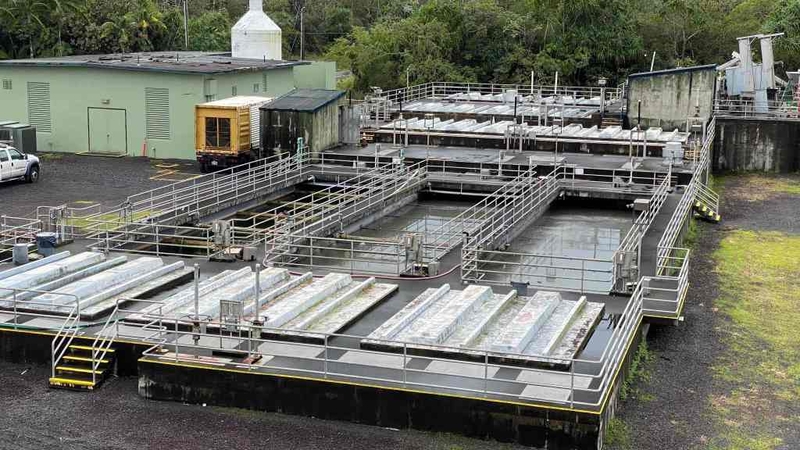
The Environmental Protection Agency has set strict timelines for the county to repair its treatment plants, take steps to eliminate large cesspools and expand its sewer service. The county must submit a financial plan outlining how it will generate revenues to cover those costs by June 30, 2028.
Those requirements come after years of deferred maintenance and neglect. It will affect what newly elected council members have to work with when they get their hands on the budget next year.
New tax rates are set to bring in an additional $16.8 million in annual revenue for the county. It should cover a projected $15.3 million shortfall for 2028. But as the county’s debt service increases the council will need to be more conservative with its money, outgoing member Villegas said.
The county has pushed off its infrastructure maintenance for so long that it's now in crisis, she said. That means some county projects will have to wait so the county can fix what it has, she said.
“It's our responsibility as leaders to be willing to endure some of the sacrifices and need for being a little more frugal and wise with resources for future generations,” Villegas said.
Poindexter said the county is going to have to focus on needs rather than wants, at least for the time being. Everyone wants a new park, she said, but adding more maintenance on the county isn’t feasible.
“We got to stop growing government for a while, and we need to start adjusting and living within our means, because taxpayers... it's on their backs,” she said.
New members could be in for a significant learning curve, especially when it comes to the county’s money.
Several former council members, including Poindexter, said wrapping their heads around the budgeting process was the hardest part of joining the council, and losing the experience of the outgoing council members will make it harder.
“The most common concern for everybody is the loss of institutional knowledge,” Poindexter said. “It's so difficult, your first two years, you're basically getting your feet wet.”
Former council member Karen Eoff said working with the mayor’s budget and balancing wants and needs of county departments and the community is difficult.
“There's so many moving parts,” Eoff said. “The mayor, of course, promotes his budget, and it's hard to interfere with that process, but you have to.”
The mayor’s capital improvement budget, which passed unanimously last week, is largely wastewater projects and parks and infrastructure repairs and maintenance.
As the council reviews the budget in April and May, members have a chance to include funding in the CIP budget for projects in their districts as well as amend the operating budget.
District 9 council member James Hustace was one of few on the council to amend the mayor’s budget this year. Included in Hustace’s additions is a $3 million appropriation for the planning and design of a new gym in Waikōloa Village, which had been in previous year's budgets. Hustace, of Kamuela, is running unopposed this election along with Council Chair Holeka Inaba, who represents District 8.
Jenn Kagiwada, who represents Hilo, added $25,000 to Animal Control’s budget for dangerous dog signs. Adding signage is a requirement for owners whose dogs have been deemed dangerous under a new state law. She faces four challengers this election in the District 2 race, including Blaine Bautista, Wendy Botelho, Jonelle Fukushima and William Halversen.
Other races are similarly crowded. The open District 5 contest pits Dawn Kaneali‘i-Kleinfelder against Shannon Matson, Chantel Makuaole-Perrin, Ikaika Rodenhurst and Jr Tupa‘i. The District 6 race features Zed Kaapana Aki, Justin Canelas, Guy Enriques, Kyle Jones and Jason Masters. And in the open District 4 election, O'Hara is facing Cyd Hoffeld, Lloyd Enriquez and Shannon Burrows.
Understanding the budget process was easier, Eoff said, with staff she could rely on and fellow council members she could collaborate with and lean on.
"There may be issues where you disagree with a council member, but the next time you're going to want that person to support you, so yeah, you have to stay open," she said.
The current council has been split on various issues. Most recently, members were divided over the county's primary policy document outlining land use and development. Discussions over the general plan became heated as members debated its merits. It barely passed out of committee, and some members noted amendments would need to be made later.
The plan ultimately passed last week in a 5-3 vote, with Matt Kealiʻi-Kleinfelder absent. Hustace, Kagiwada and Kimball voted for the plan along with Villegas and Galimba. Onishi and Inaba voted against it with Kierkiewicz.
Inaba has said he wanted to pass a plan before the election but called the lengthy document unorganized and said it should be amended later, likely leaving more work to be done by the incoming council members on a plan that guides the future of Hawai‘i island.
'A Big Job'
Also in the hands of the next council: deciding whether to continue a multimillion-dollar annual fund for homeless services.
The Homelessness and Housing Fund has received over $30 million over the last four years. But some council members questioned the efficacy of the program, saying the money hasn't made a visible dent in fixing the issue. Funding for this year barely passed with a 5-4 vote in December.
Earlier this year the council passed a resolution to audit the program to get a better understanding of how the money has been spent. Council member Heather Kimball, who's trying to keep her District 1 seat in a race against Penn and Ren Del Rosario, said at the time the audit could determine whether the program should continue.
At budget hearings in April, Kehaulani Costa, administrator of the Office of Housing and Community Development, which distributes the funds, told the council that they needed to know if the program will continue soon as they need to start winding down the program if it is ending.
The former council member who wrote the bill to create the fund, Aaron Chung, said he put a sunset date to allow the county to evaluate whether the program works. While Chung said he can’t speak much to the efficacy of the program, it has made progress in addressing mental health issues and providing housing.
“If they can't make inroads with the money, how are they going to make inroads without the money?,” he said. “The question becomes, are they using the money wisely?”
A recent count of the homeless population found that the number of unhoused individuals decreased from 741 in 2022 to 696 this year. There was also an increase in the number of people in shelters rather than the streets between 2025 and 2026.
While the council will make the final decision, Poindexter said ultimately it's up to residents. “The voters have a big job right now,” she said. “It's a difficult election year.”
Honolulu, HI