Double-digit annual commercial health insurance rate hikes are coming in 2026
Sep 15, 2025 | 5:02 pm ET
Description
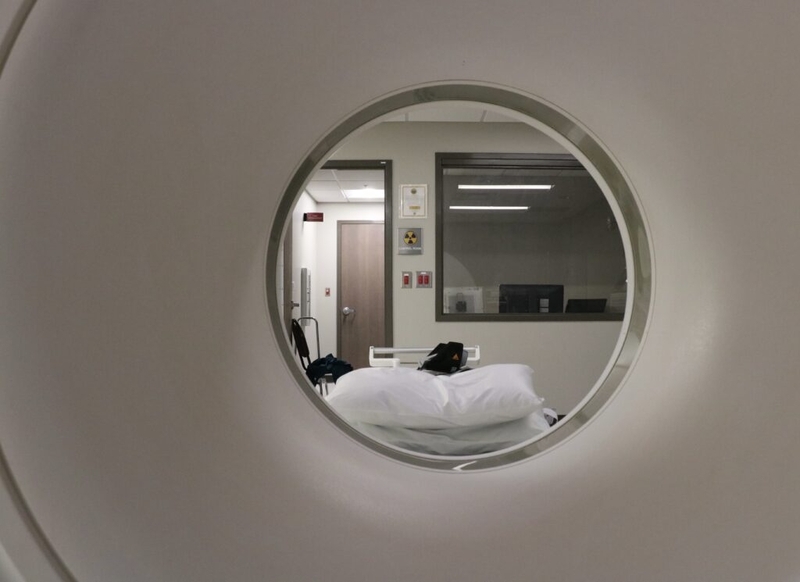
A CT scan machine in a hospital. One-third of Rhode Islanders are now facing the steepest annual health insurance premium hikes in more than a decade. (Photo by Charlotte Rene Woods/Virginia Mercury)
Even after cutting $59 million from what health insurers requested, 170,000 Rhode Islanders will shoulder the steepest annual premium hikes in more than a decade, the Rhode Island Office of the Health Insurance Commissioner Cory King said Monday.
King’s bleak conclusion came in tandem with the office’s approval of 2026 commercial premiums, following a four-month review process.
“There’s no sugar-coating this,” King said in an interview. “It’s going to produce financial hardship for people. Unless we can get the costs of hospitals and physicians and drugs under control, I worry we’re going to see more of this.”

The annual balancing act between rising expenses cited by insurance companies as justification for rate increases, and out-of-pocket costs for one-third of the state’s residents, is never easy. (Self-funded insurance in which employers assume the financial risk for the medical costs are not subject to state review on rate hikes). But this year’s calculations were more difficult than unusual, King said.
“To be totally frank with you, I think we’re at an inflection point right now, and I think we need to be proactive to ensure that these high, double-digit increases don’t become the new normal,” King said
The state health insurance commissioner is required by law to guard the solvency of insurance companies, which in turn affects payments to hospitals and health care providers. But the commissioner also cannot legally approve a requested rate hike that is not in the public’s interest.
“It’s not about just giving [insurers] what they need,” King said. “It’s trying to balance the delivery system, insurers and consumers with an ever decreasing ability to pay.”
Farewell to ACA federal tax credits
And this year, one big pain point for insurers and customers is out of King’s control: the Dec. 31 expiration to federal tax credits under the Affordable Care Act. The decision by Congress not to extend the discounts will spike average annual household insurance costs by 85%, or $1,250 a year, for 40,000 people in Rhode Island, according to HealthSource RI, which runs the state marketplace. As premiums rise, HealthSource estimates 13,000 people will be unable to afford coverage, or opt to forgo it — the latter mostly younger, healthier and more comfortable taking the risk. That in turn increases the concentration of older, sicker — and more medically expensive — people left for insurers to cover.
Blue Cross Blue Shield of Rhode Island and Neighborhood Health Plan of Rhode Island — the two commercial insurers who provide coverage to people who buy insurance through the state marketplace — pointed to the expiring federal subsidies as justification for a large chunk of their requested premium hikes.
Starting in January, a new fee included in the Rhode Island General Assembly’s fiscal 2026 budget will increase insurance premiums by $50 per person per year — or $200 for a family of four. When insurers submitted their proposed 2026 rate hikes in May, the budget was still in its drafting phase, and the health services assessment fee had not yet surfaced.
There’s no sugar-coating this. It’s going to produce financial hardship for people. Unless we can get the costs of hospitals and physicians and drugs under control, I worry we’re going to see more of this.
Incorporating this policy change, along with other state mandates and economic factors, King arrived at modified premium hikes that still mark double-digit increases over the previous year.
For the 36,167 marketplace enrollees covered by Neighborhood, costs will rise 20.5% — less than 1 percentage point less than the 21.2% increase the company requested.
Blue Cross marketplace rates will rise 22% for its 18,172 enrollees, nearly seven percentage points less than what the insurer requested.
Both companies indicated in separate statements that they accepted OHIC’s decision while continuing to stress the financial pressures they face, which in turn affect their payments to hospital and health care providers, weighing down their balance sheets.
Blue Cross estimates its own costs have risen 20% over the last two years as drugs and services become more expensive, along with state-mandated spending. A new state requirement calling for a 30% boost to commercial reimbursement rates to primary care providers starting in January accounted for another fifth of Blue Cross’ requested increase.
“We understand the impact that rising healthcare costs have on our members and the importance of ensuring access to high-quality care,” Rich Salit, a Blue Cross spokesperson, said Monday. “That’s why we are working hard to manage costs through operational efficiencies, improved care management, and collaboration with state leaders, hospitals, and other providers on solutions to improve healthcare affordability.”
Elizabeth McClaine, vice president of commercial products for Neighborhood, noted that its individual market plan remains the least costly in the state.
“We take this responsibility seriously and remain committed to providing accessible, cost-effective, and equitable health care for all our members,” McClaine said.
On average, Affordable Care Act marketplace insurers have proposed raising premiums by 26% next year, according to an analysis by KFF of 312 insurers across 50 states and D.C. The proposed rate hikes range widely, from over 50% by five separate insurance companies in Arkansas, to a 10% drop by one Pennsylvania marketplace insurer.
In Massachusetts, proposed rates by marketplace participants ranged from 7-12%, while Connecticut insurers requested increases of 4.7% to 28.6% for marketplace plans.
The AG vs. his expert
Rhode Island Attorney General Peter Neronha denounced commercial insurers during the review process, urging King for the fourth consecutive year to reject requested rate hikes completely. For the first time this year, Neronha tapped a Brown University health economist, Christopher Whaley, to help make his case to King’s office.
The OHIC decision directly quoted from Whaley’s testimony in its announcement of the rate decisions noting that Whaley called the state’s review process “important” and “effective.”
King said he included Whaley’s direct testimony as a way to respond to Neronha, who previously characterized the state rate review process as “illegitimate” and overly conciliatory to insurance companies.
“I take exception with that characterization of our rate review, and apparently his expert does too,” King said.
Neronha was not budging.
“As I’ve said countless times, Rhode Islanders deserve a health care system that can sustainably address their care needs,” Neronha said in a statement Monday. “And yet, year after year, the Health Insurance Commissioner continues to approve higher rates without evidence that these rate increases are helping to improve the system in which Rhode Island consumers are being forced to invest.”
Meanwhile, Gov. Dan McKee has entered the chat, urging King to consider a more “aggressive” review of health insurance costs, and ways to minimize them, in the year ahead.
“Affordability and access to health insurance and healthcare impacts the quality of life of all Rhode Islanders and our economic growth,” McKee wrote in the Monday letter to King. “We must make the changes necessary to contain and prevent increased health insurance premiums to avoid Rhode Islanders becoming uninsured or underinsured.”
McKee suggested a temporary moratorium on new, unfunded health insurance mandates such as what lawmakers enacted in the 2026 budget, as well as a new cap on some of the cost factors, such as administrative charges.
King said he agreed with McKee’s ideas, though his decision already incorporates some of McKee’s recommendations, including a first-time veto of any increases tied to insurance companies’ administrative expenses. OHIC also rejected companies’ pitches for more money in anticipation of tariff-related financial fallout on drug costs, noting the impacts remained hypothetical.
The rate approvals announced Monday also trimmed requested increases by insurers in the small and large-group markets.
The 42,865 enrolled in small-group plans will see 2026 premiums rise by 17.6% on average, versus the 22% average increase requested by Blue Cross, Neighborhood, and UnitedHealthcare of New England. Large group market plans, which cover 77,654 people, will increase 19.3% on average, compared with the 24.1% average requested increase. Insurers who cover large-group plans include BlueCross, UnitedHealth, Harvard Pilgrim, Aetna and Cigna.
Providence, RI