DoHS nears finish line delivering school clothing vouchers but questions linger over summer saga
Aug 27, 2026 | 6:00 am ET
Description
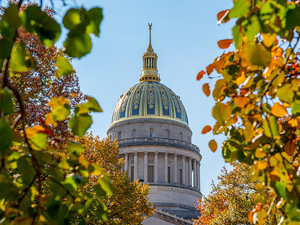
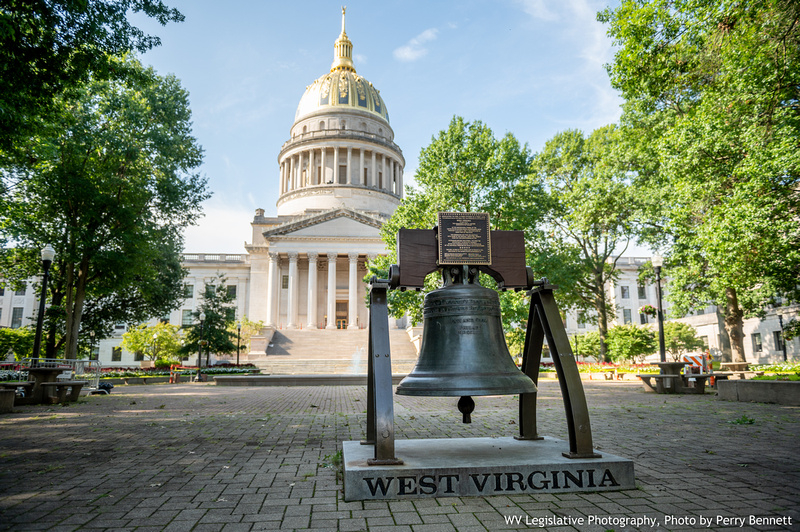
The West Virginia State Capitol (Photo by Perry Bennett/West Virginia Legislative Photography)
West Virginia Human Services officials are providing more information about their decision to automatically issue school clothing financial assistance to some West Virginia children who didn’t apply.
The long-standing program, which gives low-income students $200 to use on back to school clothes, has experienced a series of hiccups this summer under Gov. Patrick Morrisey while he scrutinized its funding and parents’ use of the funds.
The state Department of Human Services said in a statement Tuesday evening they’ll serve approximately 57,436 total children this year in the school clothing allowance program. Of these children, 10,867 received automatic benefit renewals.
“This automatic enrollment is not a new practice. This year the automatic renewal tool was needed and narrowly applied,” the statement said. “Two groups were prioritized, including children impacted by the July storms and elementary-aged children, ages 4 through 10, who received the School Clothing Allowange in 2025 and continued to meet the (Temporary Assistance for Needy Families) or (Supplemental Nutrition Assistance Program) eligibility in 2026.”
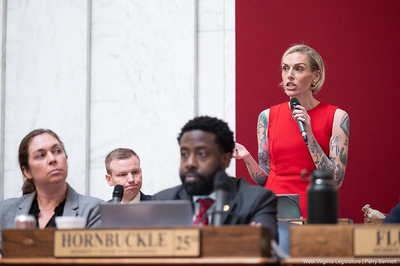
Del. Kayla Young, D-Kanawha, said, “I’m perplexed as to how and why automatic payments were authorized.”
DoHS ended automatic renewals into the school clothing program in 2025, except foster children still automatically received the benefit.
“Many things still don’t add up: how more dollars were spent than allocated, whether or not fraud concretely exists and has been proven, how random automatic payments skipped the line before actual applicants who followed the guidelines, and more,” Young said. “Nearly eight weeks into this self-made administrative problem, the complications have only grown.”
School clothing benefits have been distributed to all families who applied during the normal application window and met eligibility criteria, according to DoHS. The department is processing additional automatic renewals to be issued to families by Aug. 29.
Ongoing challenges with limited access to real-time data within the PATH system — a massive online portal used by DoHS — hindered the department’s ability to manage the day-to-day operations of the school clothing allowance program, DoHS said.
“The department is pleased to report that it served more children during the summer of 2026 than in 2025,” they wrote. The department will spend $11.5 million in federal funding in the program, a $100,000 increase from last year.
Kirby Reed, a 42-year-old mom of four boys in Princeton, West Virginia, received her clothing benefit on Aug. 10, weeks after applying. The days of waiting were stressful while she tried to get an answer from DoHS and elected officials about if or when the benefit would come.
“It was extremely stressful … it’s been a lot of me reaching out and getting two different answers in two or three days,” she said.
Morrisey to ask Legislature for more money
The school clothing allowance program launched later than expected in July while Morrisey reviewed its federal funding source, then his administration said the program ran out of funding after just a week. By August, Morrisey that it was under investigation after he alleged parents were using the money on items other than children’s clothes.
Morrisey hoped to issue the school clothing benefit at the same rate or higher than last year.
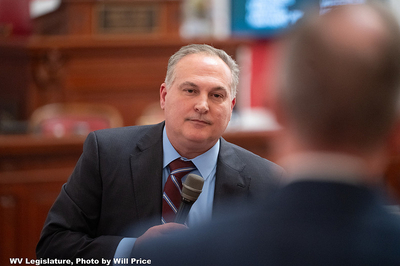
“As the Governor’s Office has said all along, the benefit ultimately served roughly the same number of children, with slightly more overall spending on the program, and that’s good news,” said Senate Health Chair Brian Helton, R-Fayette. “The other critical piece is making sure these benefits actually go to the children they’re intended to help. (DoHS) Secretary Ayers has committed to eliminating this issue after we found funds being withdrawn at bars, liquor stores, gambling hot spots and hotels. I look forward to seeing that solution implemented.”
Sen. Vince Deeds, R-Greenbrier, said that he still didn’t understand why there were any issues with the school clothing allowance program to begin with.
“I don’t know why this became an issue. It shouldn’t have been. We ended up with a lot of difficulties, discussions and, really, disruption for all of our children because it did cause panic,” said Deeds, who chairs the Joint Committee on Children and Families. “I think it ultimately caused a big disturbance for really no visible gain.”
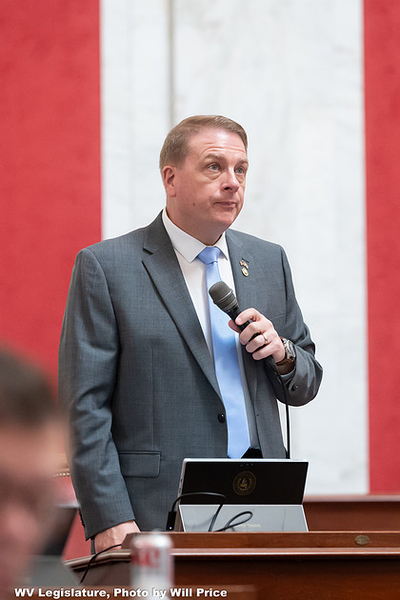
“I think, ultimately, it’s good to get back where we should have been to start out with,” he added.
Reed didn’t have the financial assistance in time to buy shirts, socks, shoes and more for her sons during West Virginia’s tax free weekend earlier this summer. After hunting for the best deals in her area, she kept all of her clothing receipts after Morrisey’s allegations of fraud so she could show where the money was spent.
“People in power were pointing their fingers at people who are poor, but we are incapable of doing anything about it,” Reed said. “It was a completely baseless allegation. He’s pitting people in his state against each other rather than focusing on where our tax dollars are being spent.”
West Virginia pays for the school clothing allowance through federal Temporary Assistance for Needy Families, or TANF, funding. The federal block grant program gives states broad flexibility in how they use the dollars aimed at helping children avoid the child welfare system.
Nearly eight weeks into this self-made administrative problem, the complications have only grown.
Morrisey has defended decisions about the school clothing assistance program this year, pointing to the state’s looming mulit-million dollar deficit in TANF funds. The state has less than 13 months — $41 million — in TANF carryover funds at this point, according to Morrisey.
The governor has directed DoHS to maintain spending levels for all TANF-funded programs, which include Family Support Centers and nonprofits, through the end of the current fiscal year to ensure services for West Virginia families.
Morrisey plans to ask the Legislature for $10 to $15 million from surplus funds to ensure adequate resources last through June 30, 2027. Federal Federal funds now being drawn down for these programs will be nearly exhausted by then, according to his office.
Lawmakers are still waiting for more detailed information on how the governor is using TANF funds.
“We have to make sure the dollars go exactly to these programs, and we want these programs well funded,” Deeds said. “But, we also do not want any question about how is this money being spent. Is it being allocated for another program or what?”
“I feel that you’ll see from not only myself, but … other members of the Legislature will be asking these questions. We don’t want to say that this big block of money is going to this one program, then not have an idea on how it’s going to be dispersed because TANF does take a lot of money … If it’s allocated appropriately, every dollar will be well spent,” he said.
Charleston, WV