Number of West Virginia foster children decreasing, but hundreds of kids still going out of state
Sep 15, 2026 | 10:49 am ET
Description
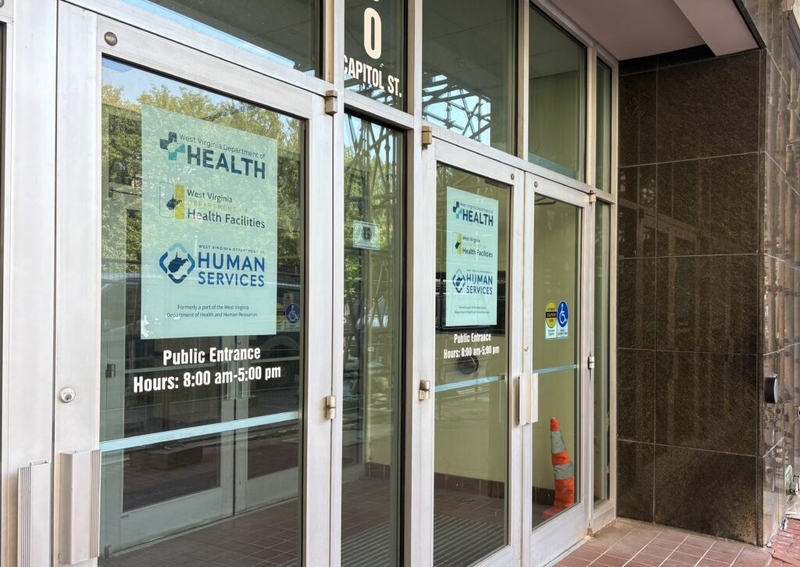
The offices of the West Virginia departments of Health, Health Facilities and Human Services are located on Capitol Street in Charleston, West Virginia. (Photo by Leann Ray/West Virginia Watch)
The number of West Virginia’s foster children is trending slightly downward but the state continues to send hundreds of children out of state.
There are 5,719 children in foster care and the number has declined from more than 7,000 children in 2020.
West Virginia spends more than $60 million a year putting hundreds of foster children in out-of-state facilities across the country. At times, the state has removed children from facilities due to alleged dangerous conditions and abuse or educational deficiencies.
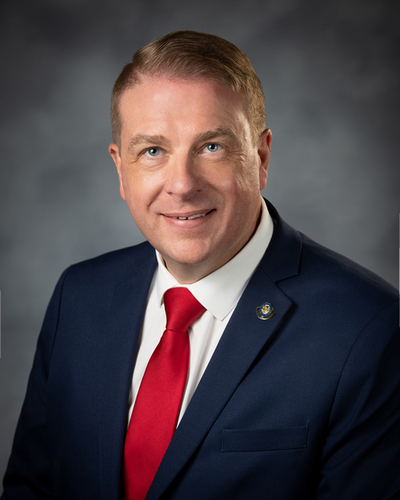
“Ultimately, we need to know where these children are going and why they are going out of state,” said Sen. Vince Deeds, R-Greenbrier. “ … I don’t feel that there’s a clear plan on how to bring them home and how to develop those facilities here.”
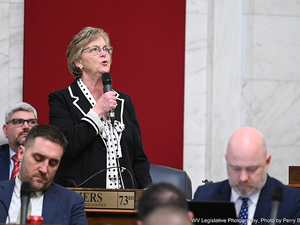
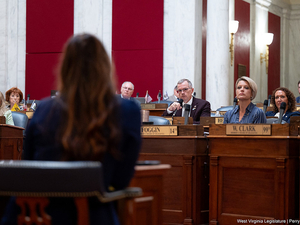
Members of the Legislative Oversight Committee on Health and Human Resources reviewed West Virginia foster care data Monday at the state Capitol during legislative interims.
Deeds stressed that foster children need to be close to home. The state Department of Human Services currently has children placed in facilities in California, Minnesota, Texas, Washington and more.
“As soon as we uproot them and they and take them away from their community, away from their family and their extended family, their kinship family, then it is so hard for them to have that contact back home and be integrated back into their family,” Deeds said.
As of June, 390 foster children were placed in out-of-state facilities. That number hasn’t decreased in line with the overall number of foster children.
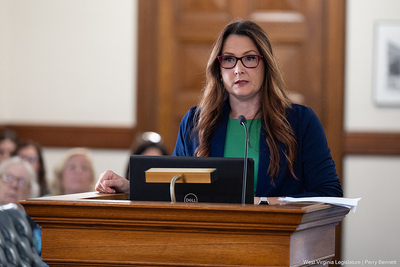
“Our primary goal is to serve as many children in the community as possible,” said Kendra Boley Rogers, deputy commissioner for the state Bureau of Social Services. “What we’ve seen is that we have programs we need to build in West Virginia so we can keep our kids closer to home.”
West Virginia has 450 in-state residential beds for foster children, but it’s not enough to meet the demand, particularly for older children with behavioral challenges. As of June, 448 children were placed at in-state facilities.
The state’s only psychiatric facility can hold 15 children, but is only serving about nine children due to staffing limitations.
Boley Rogers told lawmakers that the state lacks treatment options for children in care dealing with self harm, sexualized behaviors and mental health needs combined with autism.
While the number of in-state beds has been decreasing, Boley Rogers told lawmakers that DoHS is actively working on building new-in state options. It could involve both in- and out-of-state partners.
“The department is reviewing plans to open new local (psychiatric residential treatment facility) programs to meet our children’s needs,” Boley Rogers said.
Without specific plans, Deeds said lawmakers need more information on whether the state has the infrastructure to care for the children in-state.
“Until we have those healthcare providers to be able to take care of those kids, then we’re in a holding pattern. We’ll never be able to bring them home,” Deeds said.
Earlier this year, Gov. Patrick Mrorisey proposed a $6 million “Bring Them Home” fund with the goal of bringing 380 foster children back to West Virginia. Lawmakers declined to fund the idea. The bill was short on details, and House of Delegates Finance Chairman Vernon Criss, R-Wood, told West Virginia Watch, “There was no appetite for it.”
Boley Rogers attributed the downward trend in the total number of foster children to the state’s progress on its substance use disorder crisis and safely reunifying more children with their biological families.
“We have also seen a reduction in overdose deaths in West Virginia, so we feel like that’s a contributing factor in why we’re seeing some of these reunifications because we’re getting better with identifying the substance use disorder and providing the treatment and services to our families,” Boley Rogers said.
There has been a 23% growth in the state’s wraparound services, according to Boley Rogers, and those services are now supporting 1,900 children. These children are less likely to need to be admitted to a residential facility.
West Virginia has 1,159 to 1,192 active foster homes. There is an ongoing need for families to accept older youth.
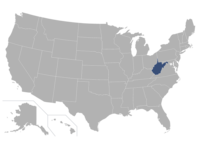
Charleston, WV