Delaware approves more than $12M in opioid settlement grants
Oct 28, 2026 | 6:00 am ET
Description
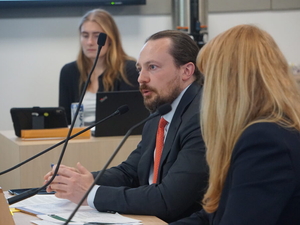
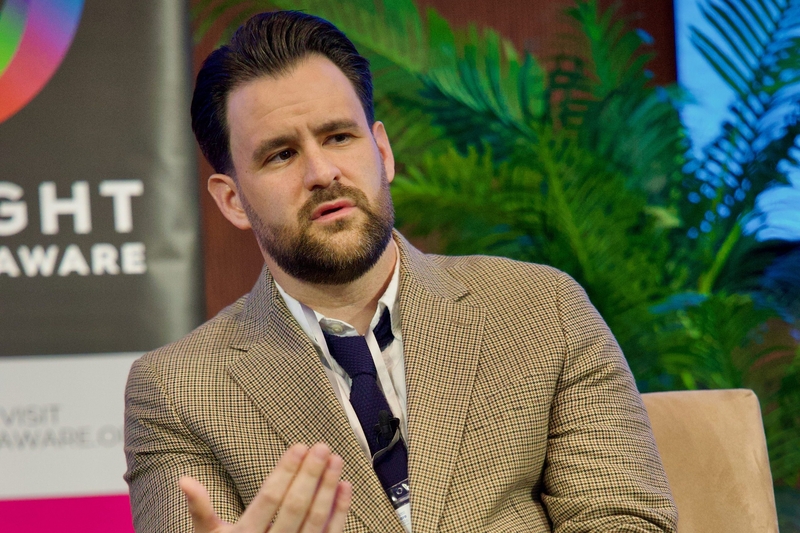
Photo courtesy of Spotlight Delaware
Why Should Delaware Care?
Delaware’s opioid settlement program is responsible for supporting organizations battling addiction across the state. Following years of turbulence within the program, it is now more regularly awarding millions of dollars to dozens of organizations.
Millions of dollars will soon flow to Delaware’s anti-addiction organizations, as they look to build out the state’s support systems.
A Delaware body responsible for approving grants from the state’s quarter-billion-dollar program to combat the opioid epidemic approved $12.75 million in grants to more than 40 organizations last week.
It is the second major award doled out by the Delaware Opioid Settlement Commission since the group worked to rebound from mismanagement concerns that clouded over dozens of early grants.
The commission approved the allocations at its meeting on Oct. 19, and it will soon fund many already established addiction organizations like Brandywine Counseling & Community Services and atTAcK addiction.
But the grants will also fund dozens of smaller organizations across the state with varying tiers of funding boosts.
Brad Owens, the executive director of the Delaware Opioid Settlement Commission, said his office wanted to reduce the amount of grantees while maximizing the amount of dollars awarded this grant cycle.
Part of his reasoning was a desire to effectively manage new grantees while also juggling projects from prior cycles, he said. The state awarded money to 63 different projects during its last grant cycle, following what had been a yearlong freeze on spending. Owens said the commission is now adding another 42 projects.
“I have to consider grant management quality control as well as maximizing dollars,” Owens said.
What did the commission fund?
Delaware’s opioid commission funded dozens of organizations with micro, mini and general grants, representing less than $10,000, less than $30,000, and greater than $30,000, respectively.
Many of last week’s awards were general grants, meaning those organizations received more than $30,000.
The largest grant went to atTAcK addiction, which will spend $1.35 million on expanding its “Recovery Housing Scholarship Program” for more than 2,000 Delawareans with addiction, according to a commission presentation.
According to the presentation, the program would provide “direct financial assistance” to those in need of recovery housing, as well as provide those in the program with access to peer support.
This, the presentation said, would help to prevent homelessness and reduce the risk of relapse for those seeking treatment.
Another $1.3 million award for CORAS Wellness and Behavioral Health would go toward paying for a “rapid-response program,” which would be open 24/7. The program would offer 24-hour transportation statewide, as well as care coordination for those at “critical transitions” like leaving prison or a psychiatric facility.
The program would link people with addiction to recovery housing, medication for opioid use disorder (MOUD) appointments, as well as stabilization services.
Owens said the CORAS pitch had been something the commission wanted to implement in the state. He said the 24/7 component of the project would help to fill a gap where someone may be ready for treatment but unable to immediately receive services.
“If you’re a street worker or an outreach worker, and you’re engaging with someone on Friday evening at 9 p.m. and they’re saying, ‘I’m ready to go to treatment,’ good luck getting in somewhere,” Owens said.
Having somewhere that person could stay temporarily while they await treatment would help to fill a “big gap,” Owens said.
Delaware’s opioid commission also funded other programs like a new 50-bed treatment facility in Wilmington, screening for pregnant mothers for opioid use disorder, as well as re-entry support for those leaving prison.
History of the opioid commission
After the depths of the nation’s addiction crisis stemming from prescription opioids became apparent in the 2010s, governments began suing the supply chain of opioid manufacturers, distributors and retailers that contributed to hundreds of thousands of deaths nationwide.
Delaware entered the fray in 2018 after former Attorney General Matt Denn sued nine companies, including Purdue Pharma, McKesson, Cardinal Health, Amerisource Bergen, CVS and Walgreens, among others.
The suit claimed opioid manufacturers knowingly downplayed the risks of using opioids to treat chronic pain, and used an “aggressive marketing campaign” to push that narrative forward. This led to an overprescription of opioids across the U.S., leading to a nationwide spike in overdose deaths.
By 2022, a national $26 billion settlement was reached with the “big three” pharmaceutical opioid distributors — McKesson, AmerisourceBergen, and Cardinal Health — and one manufacturer, Johnson & Johnson.
The settlement led to an expected $250 million entering Delaware to reduce overdose deaths and abate the effects of opioids in Delaware.
Shortly after the state received its money, it formed a commission to dole out awards to substance abuse nonprofits. But a Spotlight Delaware investigation found the commission had rushed applications through the approval process, as well as failed to monitor its grantee progress.
Recipients also spent most of their time on prevention education efforts like community events, pamphleting, swag, youth sports, student presentations and TikTok videos rather than offering direct treatment services.
In the months that followed, the opioid commission revamped its grantmaking process and introduced new leadership following the 2024 election.
The first significant award following the leadership change was in June 2025, when the commission doled out $14 million, funding 63 grantees.
Dover