Data center questions deserve disclosure, discussion
Jul 29, 2026 | 6:00 am ET
Description
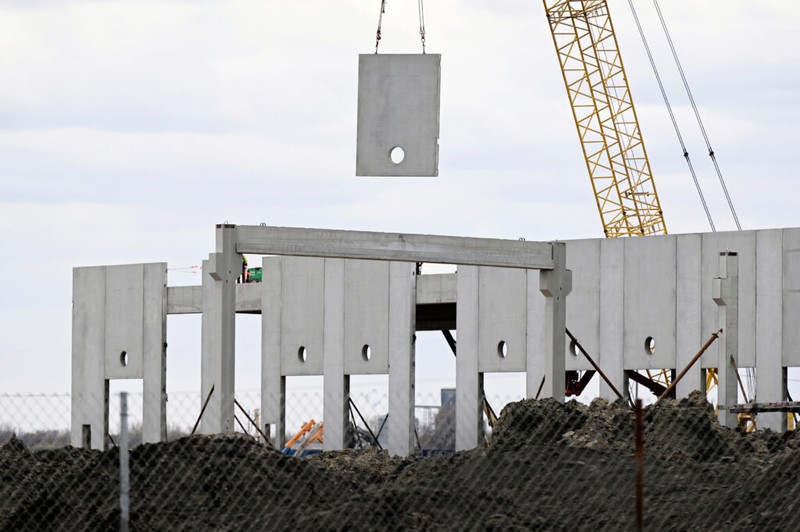
The Applied Digital data center is under construction in Harwood, N.D., on May 6, 2026. (Photo by Dan Koeck/For the North Dakota Monitor)
A reasonable dialogue about the startling proliferation of huge data centers in North Dakota (and elsewhere) has been effectively nullified by special interests that don’t want elected officials, regulators or members of the public scrutinizing their multi-million-dollar installations. They have skillfully managed and manipulated the debate by pitting neighbor against neighbor, community against community, and red politics against blue politics. They have turned a few print pundits and conservative talk show hosts into shills, some willingly, some not yet grasping how cleverly they have been used.
All of this sophisticated sophistry has been masterfully crafted in order to discredit and marginalize North Dakotans who dare to ask legitimate questions about what data centers mean in the here and now, and how they will affect the future of the towns that have been finagled into hosting them. When questions have been asked by concerned citizens, responses have been couched in terms that posit scenarios, probabilities and variables that guarantee no definitive answers.
Consider a few questions:
- How will data centers’ insatiable appetite for electricity affect the utility bills of homeowners and businesses?
- Is every data center the same when it comes to water usage?
- Is there or is there not a problem with potentially unhealthy low-frequency sound pollution?
- Why has it been the modus operandi for data center companies to demand (and get) non-disclosure agreements (NDAs) from elected local officials?
The answers to the first three questions have been boilerplate: some version of “well, it depends” or “there are so many factors to consider” or “not every location is the same, so we really can’t say.” And on and on with unassailable non-answers.
Data center concerns dominate public comment for new legislative committee
The fourth one, however, – the NDA stratagem – should be the most troubling for North Dakotans who value open and responsive government, especially local government. The Harwood data center just north of Fargo is the poster child for covert negotiations by city officials. These are people who asked for the public’s trust by seeking election, and then violated that bond by signing an NDA in order to advance the massive project without prior and open community discussions. Construction of the sprawling building was imminent before the people of Harwood and nearby communities knew it was a done deal.
The collusion and insider shenanigans that seduced Harwood office holders probably doesn’t rise to the level of corruption, but it sure smells that way. By any honest assessment, it’s an egregious ethical lapse and an out-and-out betrayal of a foundational tenet of representative democracy.
Well, just wait a minute, say the perpetrators of the deception. The NDAs were necessary because this new cutting-edge business requires protections for its trade secrets and other proprietary information. That’s not good enough when projects are so big and so consequential that they will change the very character of small communities, and no one can say if the change will be for good or for ill.
Many North Dakotans welcome data centers and believe they will be good for small towns and the state’s economy. That is not a surprise.
As the late North Dakota State University historian David Danbom put it, the state has for generations been in the grip of “pathetic desperation” when it comes to promises of development, however iffy a promise might be. The data centers phenomenon seems to be the 21st century iteration of that deeply ingrained cultural proclivity.
Thus far, regulators, legislators and local governments have failed their due diligence responsibilities, in part because the industry has outpaced current law and regulation, and in part because data center companies have brilliantly undermined normal and necessary safeguards with schemes like NDAs.
The issue, then, is not whether data centers are positive or negative for communities and the state. Indeed, they might be very good. However, the unprecedented advent of the centers has been tainted by insufficient transparency, lack of timely public discussion and insignificant government oversight. That’s the real issue. Maybe it’s time for North Dakota to call a pause.
Bismarck, ND