Cyclosporiasis outbreak surges to over 4,173 confirmed cases
Jul 22, 2026 | 6:46 pm ET
Description
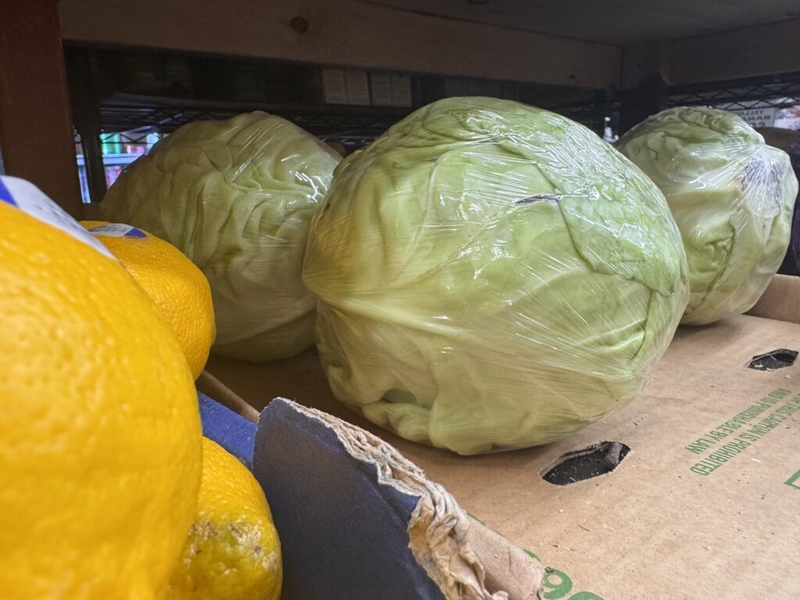
Salad greens for sale at a bodega in Astoria, New York. The number of cases of cyclosporiasis has more than doubled to over 4,173 cases across 41 states this week. (Photo by Shalina Chatlani/ Stateline)
The number of cases of cyclosporiasis — a parasitic infection linked to contaminated water or food that causes severe intestinal issues — has more than doubled to over 4,173 cases across 41 states this week, up from the 1,645 confirmed cases in 34 states reported last week by the federal Centers for Disease Control and Prevention.
Cyclosporiasis causes symptoms that include watery or “explosive” diarrhea, nausea and stomach cramps. The surge in cases had made 2026 the worst year for the infection on record.
The CDC estimates that there are likely more than 7,400 additional cases that have not yet been confirmed. No deaths have been reported, but 308 people have been hospitalized, more than double the 141 hospitalizations reported last week.
State and federal officials suspect there are multiple sources of the outbreak, but they have connected at least 1,644 cases in Indiana, Kentucky, Michigan, Ohio and West Virginia to shredded iceberg lettuce grown in central Mexico and sold by Taylor Farms.
Michigan, the first state to report an outbreak, reported 7,171 cases and 102 hospitalizations as of July 16. Indiana, New York, North Carolina, Ohio, and Indiana also have seen high case counts, alongside New York City.
The Association of State and Territorial Health Officials, which represents public health agencies across the country, said labs have a hard time tracking case connections because cyclospora is a parasitic genome that is more complex than the bacterial pathogens that cause other foodborne illnesses. As a result, state and local heath investigators must resort to reviewing restaurant and grocery receipts, menus and supply chain records, according to the organization.
“Case interviews and traceback investigations are often time intensive, creating a burden on state and local public health infrastructure,” senior analyst Heather Tomlinson and environmental health director Courtney Anderson wrote.
North Carolina had confirmed more than 560 cyclosporiasis cases as of July 20. Dr. Carl Williams, state public health veterinarian for the North Carolina Department of Health and Human Services, told reporters on Tuesday that the state has relied heavily on its 86 local health departments to track cases.
Williams said twice weekly calls with the CDC also have been helpful.
“The CDC has been very responsive to us and the other states,” Williams said during the briefing. “But as you can imagine, I mean, it’s a lot to go through.”
Stateline reporter Shalina Chatlani can be reached at [email protected].