ICE withdraws appeal of Pa. environmental directives tied to warehouse purchases
Jul 22, 2026 | 7:43 pm ET
Description
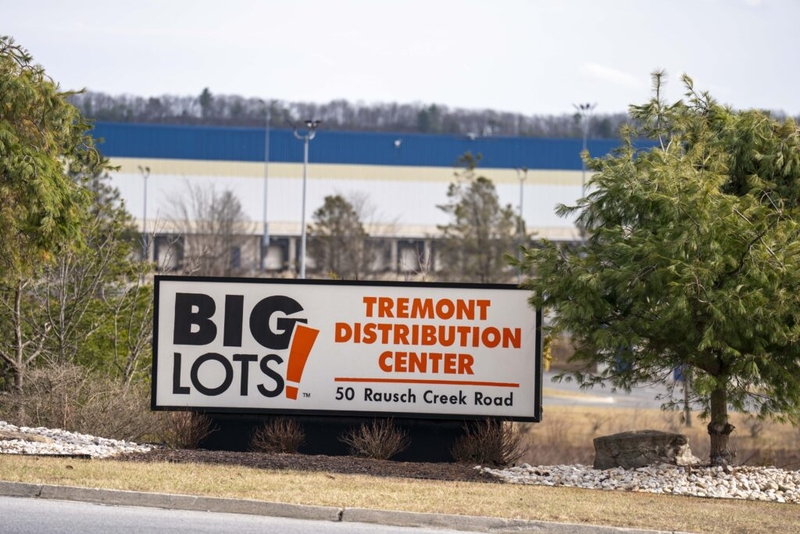
The site of the former Big Lots warehouse that Immigration and Customs Enforcement plans to turn into a 7,500-person detention center in Tremont, Schuylkill County, on March 12, 2026. (Photograph by Jessica Kourkounis/Pennsylvania Capital-Star)
This story was updated at 11:27 a.m. July 23 to add a response from the U.S. Department of Homeland Security.
Immigration and Customs Enforcement has abandoned its fight to connect to local water and sewage systems serving two warehouses in Pennsylvania – another step back from the agency’s controversial plans to convert them to detention and processing facilities.
Already, the U.S. Department of Homeland Security and ICE’s backtracking on conversions planned for 11 sites across the country purchased in early 2026 had been reported in the New York Times. They included one in Tremont Township, Schuylkill County, and one in Upper Bern Township, Berks County.
Federal officials later confirmed that; however, some – including environmental groups intervening in the Pennsylvania case – thought more formal, concrete action (such as rescinding this appeal) would be a stronger, truer indicator of what’s to come.
ICE’s single-sentence filing posted late Wednesday to the case docket with the state Environmental Hearing Board.
“While DHS has confirmed the warehouses will not be used as ICE detention centers, the … administrative orders will remain in place,” according to a statement released late Wednesday by Gov. Josh Shapiro’s administration.
This development comes the week after ICE confirmed in writing it wouldn’t be using its warehouses in Upper Bern and Tremont townships as detention centers in letters to the state Department of Environmental Protection also released late Wednesday by Shapiro’s media team.
The correspondence outlines plans for utility use and infrastructure work at the properties as they’d been initially designed and previously used. However, it’s unclear based on those documents whether the government intends to keep the warehouses for other purposes or would be doing the infrastructure work to make them more attractive to prospective buyers.
ICE and DHS media teams declined to provide details about the future of the site. In response to the Capital-Star’s inquiry, a DHS spokesperson provided the same statement as a couple other times in recent weeks: The agency “is always evaluating the best methods” to deport people with criminal records. “Once arrested, they should be removed at lightning speed, not housed on American soil at the taxpayer’s expense. DHS is moving swiftly to utilize EXISTING detention space with our state and county partners,” the spokesperson wrote in an email.
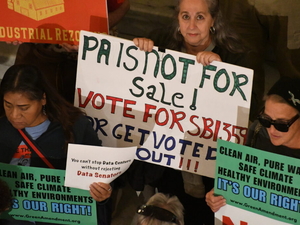
State and local officials as well as residents, community organizers and others had opposed the projects for multiple reasons.
The rural areas’ infrastructure couldn’t handle operations at the proposed scale, prompting the DEP to ask for plans to address that in February. They never materialized, so the department filed orders in March essentially blocking local officials from allowing ICE and DHS to connect to water and sewage systems.
For example, the Tremont site – a former Big Lots distribution center – would’ve been among the country’s largest ICE facilities with the capacity to detain as many as 7,500 people and expected to employ at least 2,000 people. That would’ve doubled water supply demands and tripled the population served by the sewer system there.
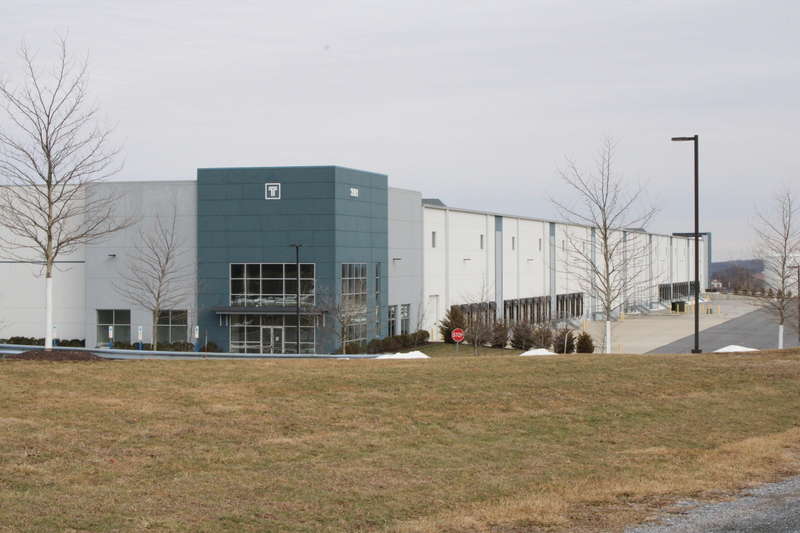
Even the 1,500-person facility envisioned in Upper Bern would’ve presented a strain on that community’s resources.
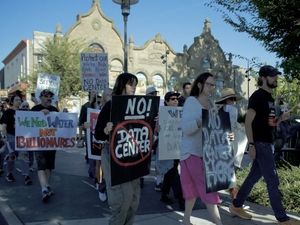
People voiced concerns about public safety implications from protests as well. And some objected to their communities being complicit in the Trump administration’s mass deportation push and tactics including entering private homes without signed judicial warrants and killing people in the street.
They also were outraged about the lack of transparency. No public noticing or meetings were required by law. And elected officials at all levels of government claimed ignorance about the endeavor until the acquisitions were being finalized.
One issue that remains – until and unless the federal government finds a private buyer or changes its own statutes – is that the properties no longer generate tax revenue.
For months, local officials said they’d secure a payment in lieu of taxes agreement to make up for lost funds – but DHS properties don’t qualify for federal PILT’s or analogous arrangements, as the Capital-Star has reported.
Harrisburg, PA