Cumberland county residents split on proposed gas plant, slated to be second largest in the nation
Sep 03, 2026 | 5:28 am ET

Description
Cumberland County residents meet Aug. 31, 2026 to discuss the proposed Dominion Cumberland Energy Center. (Photo by Shannon Heckt/Virginia Mercury)
In a crowded school cafeteria in Cumberland Monday evening, residents of the rural county gathered to hear Dominion Energy representatives detail the gas plant the utility is pitching to the local leaders and state regulators.
The Cumberland Energy Center will be able to generate three gigawatts of power, making it the second largest gas plant in the nation if it is approved.
The gas plant is part of Dominion’s proposed fleet of energy generation projects to meet the increased demand for power, which is expected to more than double by 2045. If approved, the plant would take about ten years to come online, with construction slated to begin in 2029.
The site plan is located off Duncan Store Road bordering the James River, lining Buckingham County. The project would generate local tax revenue of approximately $500 million in the first 35 years.
Neighbors in the county shared mixed responses to the proposal, with some touting its potential harm to the environment and quality of life and others touting the economic benefits it could reap for the area.
“We have kids now that have to have car washes, they’re going to churches, civic organizations, begging for money, so they can buy band uniforms or whatever. This project would increase the tax base of this community, which desperately needs it,” resident Fred Shoemaker said at the meeting.
The Cumberland gas plant would be larger than Dominion’s Coastal Virginia Offshore Wind project that tops out at 2,600 megawatts and is in the process of powering on. Dominion representatives emphasized that the gas plant is just a portion of their energy profile, with renewable energy sources also in the pipeline.
Opposition rallies across counties
Residents from multiple counties rallied against the plant ahead of the meeting, citing air pollution as a major health risk, sound and light pollution as a disruption of the county’s rural character.
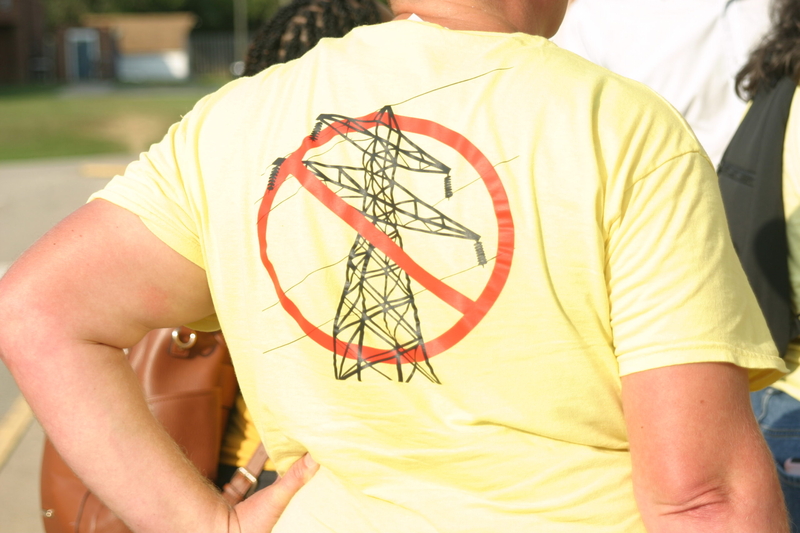
The plant’s opponents, some wearing yellow shirts reading “Protect Cumberland” and “Rural Virginia is not for sale”, also criticized the plan for the power generated by the plant to be used in places far from Cumberland.
Dominion spokesman Jeremy Slayton said they selected this particular site in Cumberland County to develop the plant because “it’s near existing utilities and a reliable water supply, which is critical because it minimizes impacts to the community.”
Slayton said the company is finalizing the details for the natural gas and water and will share them publicly soon.
Muriel Miller Branch, a community advocate and former teacher whose family is from Cumberland, was one of the fiercest opponents of a large-scale garbage dump in the southern part of the county. Now, she is fighting to keep the gas plant out.
Miller highlighted particulates that gas turbines release into the air as a potential health hazard for those who live nearby. The American Heart Association reports that air particulates can worsen existing conditions and have been linked to cardiovascular challenges.
“Is profit worth the displacement due to air, water, land, and noise pollution of families who have lived on this land for generations?” Branch asked the Planning Commission Monday. “Is profit worth the price of increased severe health problems? The moral question before you this evening, ladies and gentlemen, is what is the human cost of profit?”
The Southern Environmental Law Center recently commissioned a health impact study on the proposed plant that found exposure to fine particulate matter from burning fossil fuels will “result in 3–7 premature deaths annually, approximately 7 new cases of asthma, 2,430 minor restricted-activity days, 410 days of lost work, and other cardiovascular and respiratory illnesses, hospital admissions, and emergency room visits.”
The study, conducted by EmPower Analytics Group, also analyzed atmospheric modeling, scientific health research and EPA health-impact methods. It found that residents of surrounding counties such as Powhatan, Amelia, Goochland and even the city of Richmond, 60 miles away, could experience health impacts from the plant’s air pollution.
Dominion maintains that the turbines would follow state and federal regulations laid out in the air permit that the Virginia Department of Environmental Quality must grant in order to operate.
“Emissions will be monitored through various means and technologies to ensure we remain in compliance with permitted limits. This includes continuous emissions monitors, stack performance testing and engineering process calculations,” Slayton said.
Supporters say Virginia needs power, Cumberland needs jobs
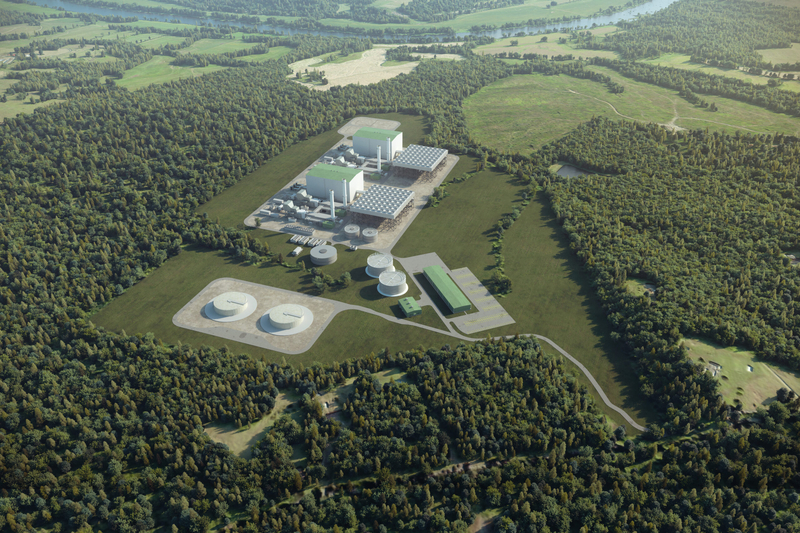
Dominion said the plant will generate enough electricity to power 750,000 homes. Cumberland makes up just under 3,000 of Dominion’s customers.
TheValley Link transmission line is proposed for development near the gas plant’s location, which is expected to carry more energy to Northern Virginia to meet major power demands driven by data centers.
When asked if the plant would be connected to the Valley Link line, Dominion said that the regional grid operator PJM is studying the project to determine “what infrastructure is needed to maintain a reliable grid.”
Jenny Bales and her husband Gerald came to the meeting to support the project and hope the expected tax revenue will bring down property taxes. Their home is about 10 miles from the plant site but they’re not worried about the facility’s potential impact on their health.
“Our son works for Dominion and he says it’s a clean plant,” Bales said. “A lot of the things people are concerned about are not going to be an issue.”
Members of the International Brotherhood of Boilermakers union, sporting stickers that promote reliable energy, said building the plant could help a generation of workers retire and give jobs to apprentices in the area – creating much-needed vocational opportunities for young workers.
Union member and Cumberland resident Jared Turner said the new plant would be the latest in the area, pointing to the Bear Garden gas plant in Buckingham that is operated by Dominion – a fraction of the new plant’s size at 628 MW – and the proposed 1540 MW Tenaska gas plant in Fluvanna County.
“The reality is, five miles down the road, there’s already a gas plant. So, it’s already happening whether they like it or not,” Turner said. “If Cumberland doesn’t want to have it, I bet you Powhatan, or Buckingham, or Goochland – one of them is gonna take it. And then guess what? The same people are still gonna be affected equally by whatever the environmental impact is, yet Cumberland wouldn’t get any of the benefits.”
County commissioners would need to rezone the area where the plant is proposed, which is currently zoned as agricultural. It’s a necessary change, some residents said, denouncing concerns about development impeding on the county’s rural character.
“(They believe) that’s what’s wrong with this podunk backward county, that we don’t embrace modern development,” Cumberland resident Luke Fleischman said. “Our county is rural and agriculturally based. We don’t even have a grocery store. We just got a small mom and pop grocery. But, you know, there are things that we can develop that are good for the county.”
Fenceline communities fight despite steep challenge
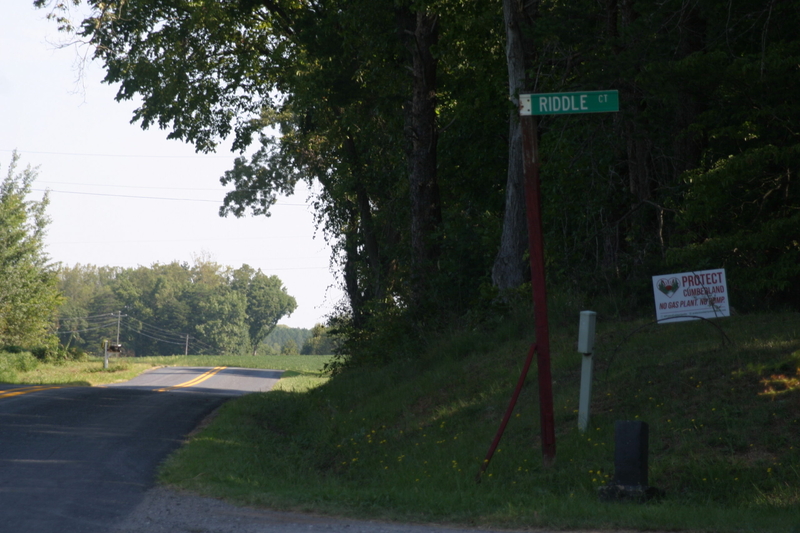
Annie Riddle, 88, wasn’t at the meeting but expressed apprehension about the planned gas plant. Riddle lives on the border of the project site in the home she and her husband built in the late 1960’s. Some of her children and their children live on the property with her.
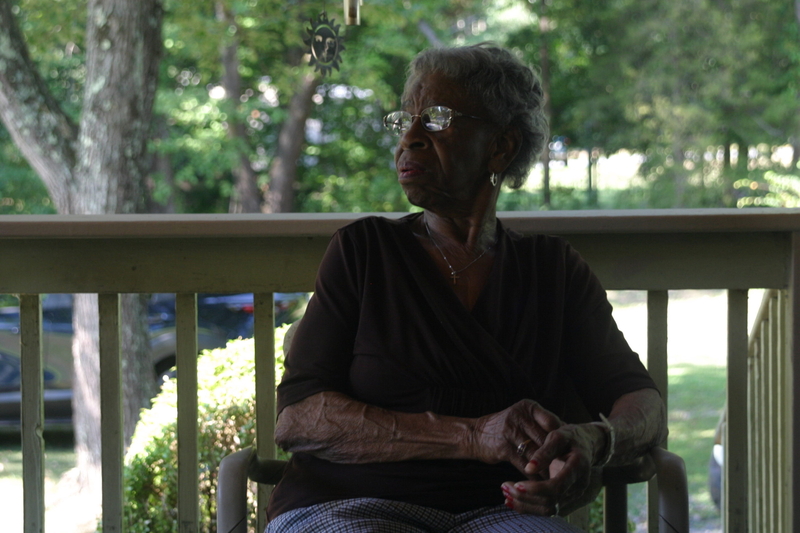
She said the county did not alert her about the project that would be housed across the street from her, a key point of her opposition.
“I only got my information out of the newspaper. You know, nobody stopped by to talk to nobody,” Riddle said.
A woman who refuses to sit still, Riddle spent the day of the meeting fixing up her lawn mower before doing some yard work. She said that the gas plant’s noise, construction trucks barreling down her small road, and the years of pollution yet to come are disheartening.
“I ain’t worried about me, ’cause, they talk about this thing won’t come in until the 2030s,” Riddle said. “Who said I’m gonna be here that long? But my grandchildren are here, and my great grandchildren are here. They are the ones that are gonna suffer.”
Some of her neighbors’ view of the plant as a source of revenue and jobs is understandable, she said. Still, she said she and others, like family friend and Protect Cumberland organizer Katie Hoffman, don’t believe it’s the right fit for their home. They will continue working to learn and illuminate the full impact it would have on the surrounding communities.
After multiple hours of public testimony, the Cumberland Planning Commission voted to recommend approval of the conditional use permit for the power plant. Next, the county Board of Supervisors must approve or reject the proposal, and the State Corporation Commission will also have to determine if the plant is in the public interest.
Richmond, VA