Company proposing Black Hills uranium mine eyes state permitting restart after 13-year pause
Jul 05, 2026 | 12:32 pm ET
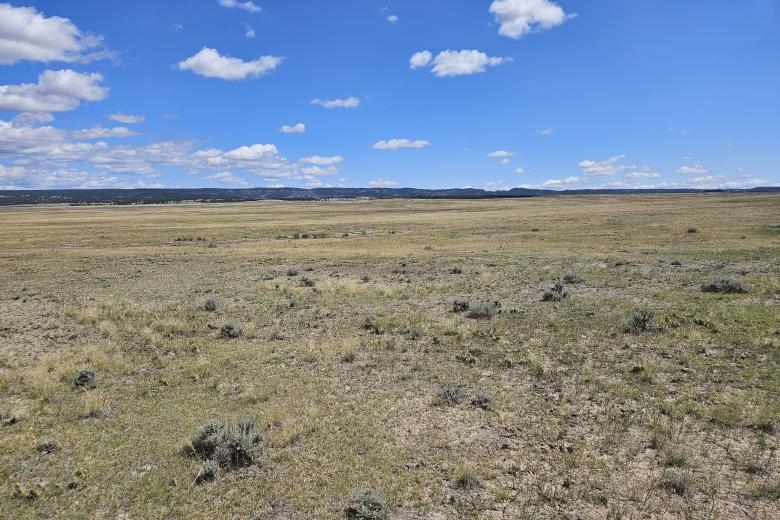
Description
The site of the proposed Dewey-Burdock uranium mine in Fall River County, South Dakota. (Courtesy of U.S. Bureau of Land Management)
A company spearheading a long-lingering uranium mining proposal in southwestern South Dakota hopes to restart its state permitting process after a 13-year hold.
The Dewey-Burdock project — spanning nearly 20 square miles in Custer and Fall River counties — secured the last of its necessary federal permits for the project last month, according to the federal Permitting Council. The project was included last year in FAST-41, a federal process meant to improve coordination among permitting agencies and hold them accountable to deadlines.
The project, decades in the making, was added to the process in August of last year. Dewey-Burdock — named for rural locations near Edgemont along the southwestern edge of the Black Hills — requires numerous federal, state and local permits and has been mired in administrative and court appeals for years.
Trump administration selects Black Hills uranium mining proposal for fast-track permitting program
The mining method for the project is “in situ”: drilling wells to inject a water-based solution underground, dissolving uranium and pumping it to the surface. The water would be pulled from local aquifers and then treated and pumped back underground after being used for mining, causing opponents to fear pollution of local water sources.
Emily Domenech, Permitting Council executive director, said in a news release that the fast-tracking process advanced the project, which is “critical to national security and energy dominance.” Uranium is a metallic, radioactive element used as fuel in nuclear weapons and nuclear power plants.
EnCore Energy Executive Chair William Sheriff said in a news release that the company plans to begin the state permitting process next.
The South Dakota Department of Agriculture and Natural Resources confirmed that the company submitted new water-rights applications and supporting information. The company has not yet submitted new applications for mine or groundwater discharge permits, said Brian Walsh, department spokesman.
The timeline for processing state permits is “difficult to predict,” Walsh added, depending on the “level of public participation.”
The project’s state applications have been inactive since 2013, while the federal permitting process played out. The South Dakota Water Management Board rejected the company’s request to restart its water permitting process in 2021, due in part to outstanding federal permits and active litigation.
“I just don’t think it’s appropriate for the state of South Dakota and this board to spend millions of dollars once again on an issue and then have the rug pulled out from under our feet after we’ve made a decision,” board member Rodney Freeman said at the time.
Lilias Jarding, executive director of the Black Hills Clean Water Alliance, has been a vocal opponent of the Dewey-Burdock project for years. She is concerned about potential water contamination and the amount of water needed for the project. She expects opponents to push back and attempt to appeal federal permits, which she said could affect the state process and overall project.
“The people don’t want this,” Jarding said. “There will be public pushback.”
The Oglala Sioux Tribe and NDN Collective, a Rapid City-based Indigenous advocacy group, have also opposed the project, citing concerns about potential impacts to historic and cultural sites in the Black Hills — land central to the spiritual beliefs and practices of many tribes.
The same groups also oppose a proposal to conduct exploratory drilling for uranium near Craven Canyon, not far from the Dewey-Burdock project area. A hearing on the permit application for the drilling plan, from Canadian company Nexus Uranium, is on hold as a court considers a lawsuit from a project opponent.

Pierre, SD