Collapse of NJ’s health plan for public workers could raise costs for all residents
Oct 21, 2026 | 6:37 am ET
Description
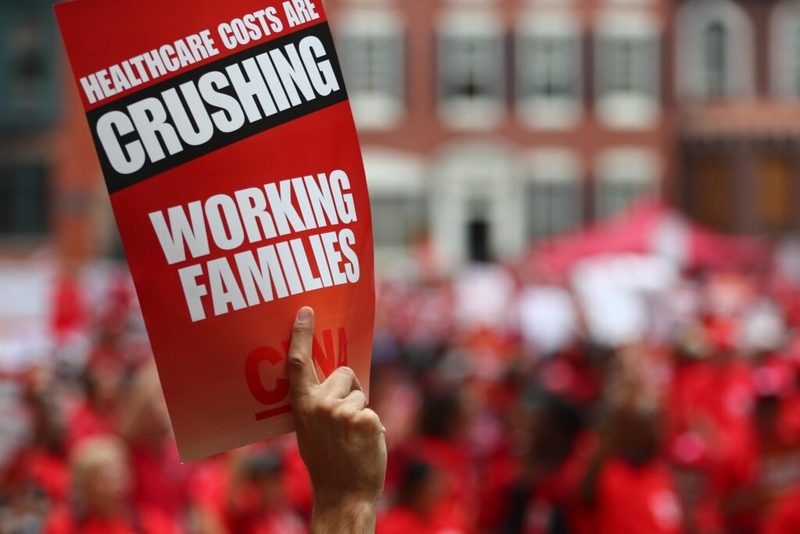
Hundreds of public workers rallied outside the Statehouse in Trenton on June 18, 2026, to demand lawmakers rein in rising healthcare costs. (Photo by Dana DiFilippo/New Jersey Monitor)
What happens when a state allows its public health plan, which covers hundreds of thousands of workers and retirees, to collapse? We’re about to find out in New Jersey unless Gov. Mikie Sherrill and the Legislature take decisive action to reform the State Health Benefits Plan.
Here is where things stand: open enrollment in New Jersey’s State Health Benefits Program is just wrapping up, and the annual cost of family health insurance for some local government workers now exceeds $68,000. That’s more than the starting salary of many of the public employees who depend on that coverage. Yes, you read that right. In some cases, insuring a worker and their family costs more than the worker earns in an entire year.
If that isn’t bad enough, another double-digit premium increase was just approved in August and will take effect in January. Towns and counties are responding the only way they can: dropping out of the plan, shifting more costs onto workers, or passing costs to the taxpayers through property tax increases.
Without any real efforts to bring down costs, the local government side of the plan withers, towns leave, and private insurers are there to pick up the pieces. Put bluntly, that is not a solution. It is a demolition plan.
When public plans shrink, everyone pays more. The State Health Benefits Plan sets the benchmark for New Jersey’s private market. Kill the benchmark, and watch what happens to prices for the small business owner in Camden, the freelancer in Montclair, the family buying on the exchange in Toms River. For retired public employees, the stakes are even higher: the healthcare benefits they spent their entire careers earning could simply disappear.
That is why the state’s largest local government labor and management organizations, groups that agree on almost nothing else, have united behind a reform package. We are fighting for sound policy reforms that improve the plan menu and implement reference-based pricing, claims auditing, and pharmacy benefit manager reform. These common-sense fixes would save taxpayers, local governments, and workers millions. They should have been adopted years ago. But stabilizing the plan is the floor, not the ceiling. If New Jersey is serious about healthcare affordability, the answer is not less public coverage. It is more.
Other states have shown that healthcare costs can be brought under control without cutting benefits. Oregon capped hospital payments under its public employee health plans and saved over $100 million in just over two years. Connecticut removed private managed care companies from Medicaid and replaced them with a publicly run system, with significantly lower administrative costs. Montana saved nearly $48 million over three years by linking hospital payments to Medicare rates. Washington has also introduced Cascade Select, a public option that caps provider payments at Medicare levels. Under that model, premiums rose by just 3% in 2024, compared with 9% under the other plans.
New Jersey should consider those approaches to reducing healthcare prices and administrative costs rather than simply passing the cost on to workers and taxpayers.
As federal Medicaid cuts and reduced Affordable Care Act subsidies threaten coverage, New Jersey should be expanding coverage to ensure working families keep their health insurance.
Why is this more than just a healthcare issue? Because voters have made the affordability crisis unmistakable. In Elizabeth, nearly 800 residents petitioned to place a rent cap on the November ballot, and a judge just cleared it for the ballot over landlords’ objections. People are done waiting for markets to fix what markets broke. Housing and healthcare are the same fight: The cost of living is crushing working families, and they are demanding that the government act like it.
The State Health Benefits Plan crisis tests whether Trenton has understood that. One path leads to a shrinking public plan, a fragmenting insurance market, higher prices for everyone, and broken promises to retirees. The other leads to a stabilized public employee plan and a state that uses public purchasing power to drive costs down for all of us.
New Jersey can be a national model for public healthcare that delivers on its promise. Or it can preside over a collapse that everyone, insured and uninsured, public and private, will pay for. We have to choose now, not kick it down the road. It’s time to make choices that prioritize working New Jerseyans over corporatized healthcare.
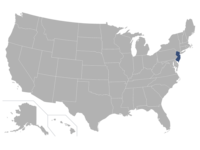
Trenton, NJ