Catching Our Eye News Roundup, Oct. 16, 2026
Oct 16, 2026 | 3:00 am ET
Description
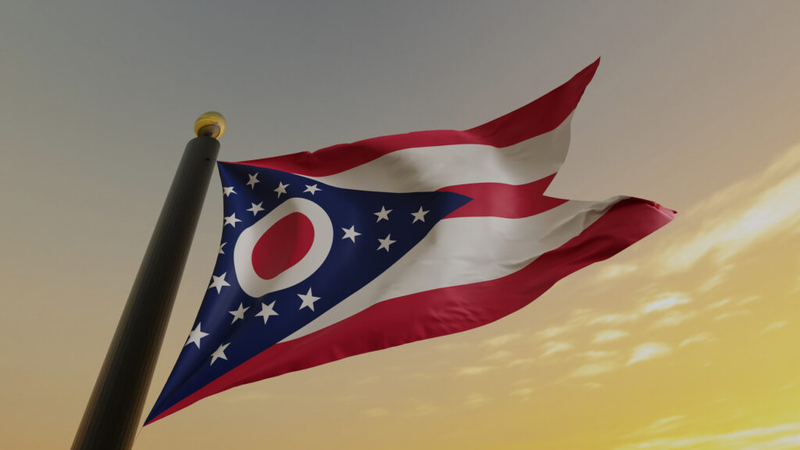
The Ohio burgee. (Getty images file photo.)
Every morning in the Ohio Capital Journal’s free newsletter, The Eye-Opener, we round up the news and commentary from across Ohio and around the country and world that is catching our attention. We call this feature Catching Our Eye, republished here.
Please subscribe to our free daily newsletter to get all the Ohio news you need to know right to your inbox every weekday morning.
If you already subscribe, please share with your family and friends so they know about the Ohio Capital Journal too: https://ohiocapitaljournal.com/subscribe/
Catching Our Eye
• Publicly funded stadiums. Cleveland Scene’s Mark Oprea reports, “Publicly Funded Stadiums Are Bad Business. Sports Economist J.C. Bradbury Says the Browns’ Brook Park Dome Won’t Be Any Different.”
A professor at Kennesaw State University, Bradbury is one of the nation’s leading researchers on publicly financed stadium and arena projects. And he’s just released his latest book, This One Will Be Different: False Promises and Fiscal Realities of Publicly Funded Stadiums, a 440-page dive into how sports teams time and again attract taxpayers dollars to pay for new stadiums that, decades later, never turn a profit or deliver on economic impact pledges.
We recently asked Bradbury, who visited Cleveland this summer to research the city’s stadiums, his thoughts on our own controversies in the world of sports infrastructure—from repair woes in the Gateway District, to the Haslams’ $800 million state subsidy for their Brook Park dome and mixed-use development project, to how Downtown Cleveland may fare when Huntington Bank Field is a mound of rubble in 2029. His take was pretty cynical: the Browns flight to the suburbs will pad their pockets and no one else’s.
• Ohio congressional races. Ideastream’s Ella Abbott reports, “What effect could Ohio’s midcycle redistricting have on congressional races?”
Ohio underwent a midcycle redistricting last year that reshaped several of the state’s congressional districts.
While several states used their midcycle redistricting to draw stronger lines for Republicans across their states, David Cohen, a professor of political science at the Bliss Institute of Applied Politics at the University of Akron, said Ohio took a much more balanced approach.
• No press allowed? WOSU’s George Shillcock reports, “Amy Acton campaigns at closed-door rally while Vivek Ramaswamy criticizes her at Columbus forum.”
While Democratic candidate for Ohio governor Dr. Amy Acton campaigned Wednesday at a closed door rally near Ohio State University’s campus in Columbus, Republican Vivek Ramaswamy, her opponent, criticized her at a community forum across town.
Acton paid to rent WOSU Public Media’s Sandy and Andy Ross Community Studio for a campaign rally with Ohio State student supporters. Despite this, the campaign didn’t allow WOSU reporters or other media outlets to cover the rally or ask Acton questions after it concluded.
• Ohio working class voters. Reuters’ reports, “Ohio’s working-class voters rethink support for Trump and the Republican Party.”
A decade after Republican Donald Trump peeled away working-class and union voters who had long been a cornerstone of Democratic support in Ohio, Democrats and labor leaders see an opening to win back some of them in the November 3 US elections.
Now midway through his second term, the president’s magic appears to be losing at least some of its luster with blue-collar men and women as rising prices, the Iran war and concerns about his rhetoric prompt some voters to reconsider their support.
• Trump’s ballroom. The Washington Post reports, “Secret documents reveal donors behind $330 million for Trump’s ballroom.”
A list obtained by The Washington Post reveals all the major donors to President Donald Trump’s White House ballroom project, including previously undisclosed contributors who have benefited from regulatory decisions, government contracts and, in one case, a pardon for a family member…
The list and other documents offer a panoramic view of a fundraising campaign that is extraordinary both for its size and opacity. Ordinary political giving requires public disclosure and is subject to campaign finance rules. The ballroom donations are collected by a nonprofit and then channeled to the government and into a White House account the president directly controls.
Independent experts and scholars have expressed alarm at the potential the arrangement has for influence buying and coerced giving.
The Post’s reporting does not establish a connection between the donation commitments and favorable actions by the Trump administration. But the documents show that the vast majority of the funds raised came from companies and wealthy individuals with interests before the federal government.
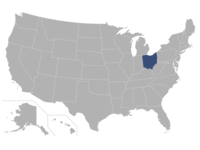
Columbus, OH