Cash App parent company to pay $45 million in multistate fraud settlement, Va. AG says
Jul 13, 2026 | 4:26 pm ET
Description
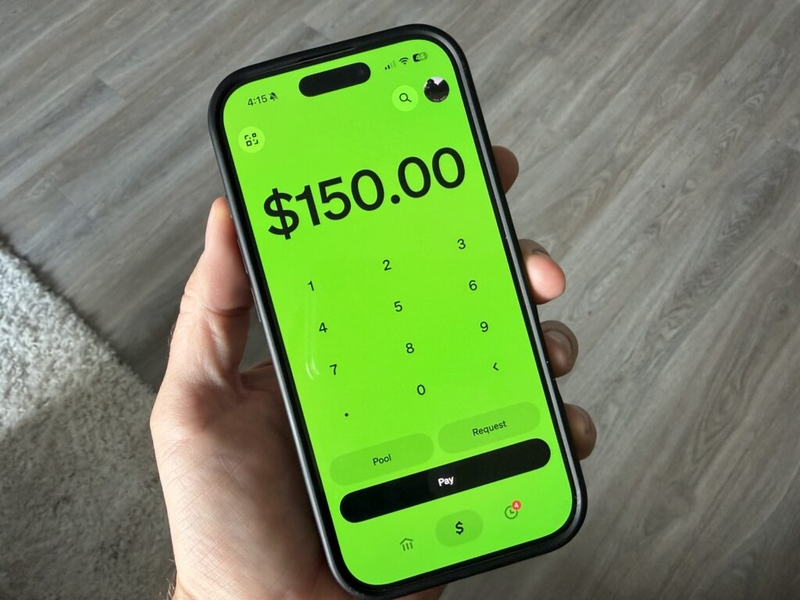
Cash App parent company Block agreed to pay $45 million to settle allegations by 46 states that it failed to adequately protect users from fraud and provide required customer support. (Photo by Markus Schmidt/Virginia Mercury)
Cash App’s parent company will pay $45 million and overhaul its fraud prevention and customer service practices under a multistate settlement, resolving allegations that the popular payment app failed to protect users from scams while misleading them about the security of customers’ money.
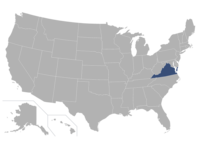
Virginia is among 46 participating states in the settlement with Block, Inc., the company behind Cash App. The commonwealth will receive about $845,500, Attorney General Jay Jones announced Monday, which his office can use for consumer protection efforts or other purposes permitted under state law.
The investigation, led by Oregon and Texas, concluded that Block rapidly expanded Cash App’s user base even as fraud became a growing problem, leaving many customers unable to get meaningful help after their accounts were compromised or money disappeared.
“Virginians deserve to trust that the companies they do business with are acting legally and with integrity, and when a company acts outside the law or unethically, this office will hold them accountable,” Jones said in a statement.
“When companies strategically omit information and foster fraudulent practices, it hurts consumers and shakes confidence in our institutions. I want to assure Virginians throughout the commonwealth that the OAG is using all available tools to protect them.”
Investigators said Block repeatedly assured users their money was safe on Cash App in ways that suggested protections similar to those offered by traditional banks. At the same time, they alleged, the company knew fraud on the platform was increasing but failed to strengthen safeguards and adequately warn users about the risk.
Much of the investigation focused on how Cash App handled fraud before and after it occurred.
Investigators said the company favored a quick, low-friction sign-up process with limited identity verification, making it easier for scammers to open accounts.
For years, Cash App also lacked telephone customer support. Users locked out of their accounts or looking for help often searched online for a support number, only to reach fake customer service lines run by scammers.
The latter often persuaded victims to hand over login credentials or gained access to their financial accounts. Investigators said Block knew about the problem but waited years before establishing an official customer support phone line.
Another issue involved “Cash App Fridays,” a long-running social media promotion that encouraged customers to post their unique Cash App usernames, known as $cashtags, for a chance to win prizes. Investigators said scammers exploited the campaign by contacting participants, falsely claiming they had won and persuading them to share account information.
The probe also found that customers reporting suspicious activity were sometimes locked out of their accounts for weeks without access to their money. According to the investigation, the company often delayed fraud investigations or failed to provide refunds required under consumer protection laws.
Under the settlement, Block agreed to make a series of changes aimed at reducing fraud and improving customer service.
The company must maintain customer support capable of resolving fraud complaints, account lockouts and similar problems. It also agreed to provide live assistance around the clock, including access to a human representative by phone for at least 13.5 hours each day and through live chat for at least 18 hours daily.
Block further agreed to stop making false or misleading statements about Cash App’s security, discontinue marketing practices that investigators said increased fraud risk, educate customers about common scams and comply with legal requirements governing fraud investigations and reimbursement for unauthorized transactions.
“We share the attorneys general’s commitment to addressing industry challenges and continue to invest in operations and technology to promote a safe and healthy financial ecosystem,” a Block spokesperson told Reuters.
Still, the company denied wrongdoing, saying the settlement resolves claims involving historical practices. It also said it has already made significant investments in customer support, fraud detection and compliance.
The settlement comes months after separate action by the federal Consumer Financial Protection Bureau, which accused Block of failing to properly investigate fraud reports and provide adequate customer service.
Under that agreement, Block agreed to distribute between $75 million and $120 million to consumers nationwide, pay civil penalties and adopt additional reforms.
Additional information about the settlement is available here.
Richmond, VA