As candidates call to fund IWiLL, some counties ask for local conservation bonds
Nov 02, 2026 | 4:32 pm ET
Description
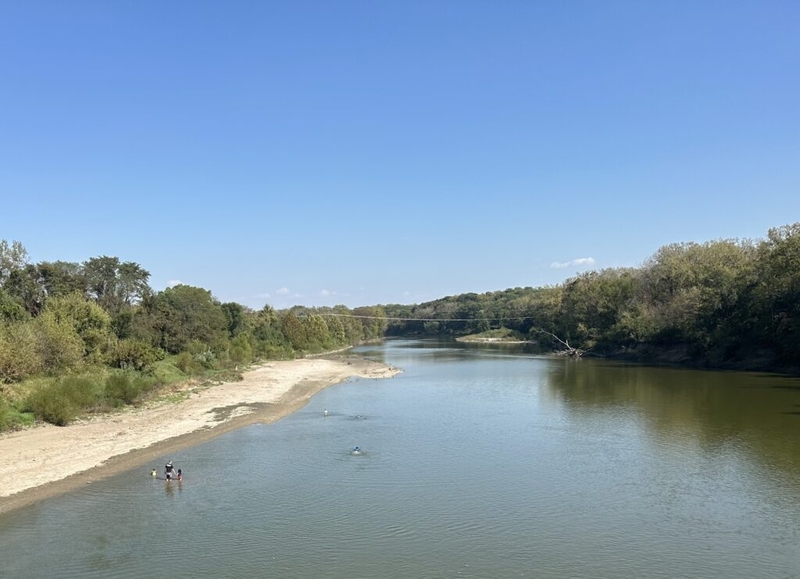
A family swims in the Raccoon River where it flows through Walnut Woods State Park in West Des Moines in October 2025. (Photo by Cami Koons/Iowa Capital Dispatch)
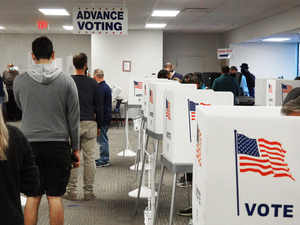
Funding a trust to support Iowa’s natural resources and water has come up repeatedly on the campaign trail ahead of Tuesday’s elections, but some counties have successfully initiated bond referendums to support projects locally.
On Tuesday, Dubuque County voters will be asked to approve an $18 million dollar bond to invest in the county’s natural resources, parks, trails and water quality.
The county level bond is similar to the statewide Iowa Water and Land Legacy, or IWiLL, constitutional amendment that passed in 2010 to establish a statewide trust that has remained unfunded because lawmakers haven’t raised the sales tax that would fund the trust.
Joe Jayjack, external affairs director of the Iowa Natural Heritage Foundation, said the county-level bonds, which have passed in a handful of counties, show that “when voters are given the chance, they do want to make these investments.”
“Nobody likes to pay more taxes, but I think people do like to when they know what it’s going to,” Jayjack said. “I think that’s the really nice thing about these conservation bonds, because the plans are pretty detailed. People can see exactly what’s going to happen over the course of this bond, and it’s the same for the statewide trust fund.”
In Dubuque County, the $18 million bond, if passed, would support “major projects” managed by the county’s conservation department, which according to the county, has an approved capital expenditure budget that is about 20% of what it had four years ago.
The county said the bond, with an annual cost to taxpayers of approximately $6.50 per $100,000 of assessed property value, would “provide a potential source of capital funding for major projects that cannot be addressed through routine annual operating funds alone.”
Examples of projects in the county include shoreline restorations and improvements to parking lots, trails and boat ramps at area lakes and ponds.
Michael Sertle, a senior advisor for American Rivers Action Fund which has been supportive of the bond in Dubuque County, said the conservation funding helps the community plan for good stormwater infrastructure, safe public access and increased tourism and recreation opportunities.
“For us — American Rivers — that all really helps with river conservation,” Settle said. “Whether that’s improving water quality, helping address flooding issues, or just getting people out there and to enjoy nature.”
Dubuque County would need approval from more than 60% of voters to put the 20-year bond in place. The county barely denied a similar effort in 2021 to initiate a $40 million water and land legacy bond, when 59.2% voted in favor of the bond.
In 2024, Story County passed a similar $25 million bond referendum and Johnson County voters approved a $30 million bond which followed the county’s 2008 bond of $20 million. Polk County has also passed multiple water and land legacy bonds – a $50 million bond referendum in 2012 and a $65 million bond in 2021. Linn and Adams counties have also passed conservation bonds, according to an analysis of the bonds from Iowa Natural Heritage Foundation.
Dubuque County’s proposal this year is a scaled-back version of its 2021 proposal, and it comes during an election cycle where water quality is a top issue for voters.
Recent polling from Iowa’s Water and Land Legacy — a coalition pushing for lawmakers to fund the state Natural Resources and Outdoor Recreation Trust Fund — found that 69% of Iowa voters support raising the state sales tax to fund the trust. Iowa’s Natural Resources and Outdoor Recreation Trust Fund, which is broadly referred to as IWiLL, was passed in 2010 with 63% of the statewide vote.
“It’s neat to see when voters are given the chance, they do want to make these investments, and I think that’s something that we’re optimistic we’ll see at the statewide level because there’s been so much talk about finally funding the Natural Resources and Outdoor Recreation Trust Fund,” Jayjack said.
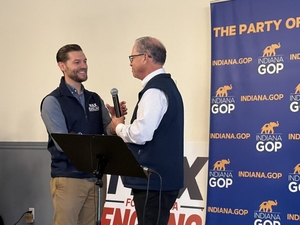
Gubernatorial candidates Rob Sand and Zach Lahn have both said they want to see funding in the IWiLL trust as part of their proposed solutions to cleaning up Iowa’s water.
Jayjack said Iowans are “fed up” over water quality issues and the state’s high cancer rates, which many water quality activists and researchers link. This outlook, plus the conversations happening in the governor’s race, he said, are building a “grassroots movement to put pressure on the Legislature to raise a sales tax and finally fund the trust.”
He said the county level efforts, like Dubuque’s potential bond, can “work in tandem” with the statewide funds to “amplify the amount of work that can get done and the speed that it can happen.”
“People are asking for change not in 20 years to our water quality,” Jayjack said. “They want to see it happening now, and I think that having those things working together would really make that a possibility.”
Des Moines, IA