CalPERS just had one of its best years in a decade. Why it matters to taxpayers
Jul 13, 2026 | 1:36 pm ET
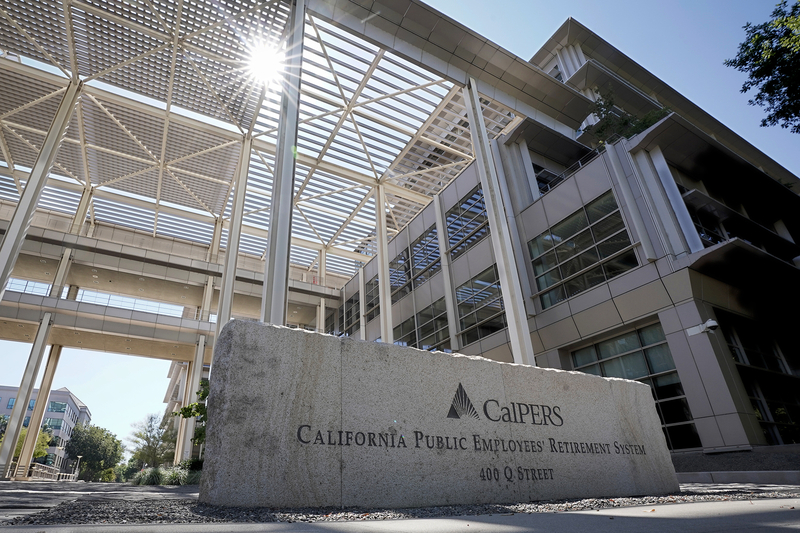
Description
In summary
CalPERS’ investment returns are important markers because they determine whether government agencies — and taxpayers — have to kick in extra money to cover losses at the pension fund. It eclipsed its target in 2025-26.
California’s largest public pension fund just had a banner year, riding a soaring stock market to record its second consecutive double-digit annual investment return.
The California Public Employees’ Retirement System announced Monday that it gained 14.8% on its investment portfolio in the 2025-26 financial year, more than doubling its target of 6.8%.
CalPERS Chief Executive Officer Marcie Frost in remarks to the board described the return as the fund’s best year since 2014, excluding 2021 when markets rebounded from a crash caused by the COVID-19 pandemic in 2020.
“Our team has maintained a disciplined approach to building the health of the pension system, and our improved funded status shows this effort is paying off for our 2.4 million members,” she said in a written statement.
CalPERS finished the budget year with a portfolio valued at $637.1 billion — about $80 billion more than a year ago.
The investment return is an important number to California government agencies because they have to cough up more money to cover losses when CalPERS comes up short.
CalPERS is considered underfunded because its assets are worth less than what it owes in total to the people who earn and receive benefits through it. Its assets are now valued at 85% of what it owes to members.
That number is also a milestone in CalPERS’ recovery from its losses during the Great Recession. CalPERS’ assets were worth about 68% of what it owed to members a decade ago before it began a set of policy changes that effectively required government agencies and public employees to pay more toward their pensions.
The earnings report comes at a moment when public safety unions are urging lawmakers to boost retirement benefits for police and firefighters for the first time since former Gov. Jerry Brown scaled back retirement perks with a 2012 law. The big number could make legislators more confident in saying yes to the unions and modifying Brown’s pension reform law.
Some groups have been urging CalPERS to simplify its investment strategies in the interest of making more money faster, which would relieve some pressure on government agencies and taxpayers. That criticism came up in last year’s CalPERS election, where several unsuccessful candidates characterized the fund as underperforming.
Two former CalPERS board members now involved with an organization called the Retired Public Employees Association — Margaret Brown and J.J. Jelincic — have focused on the pension fund’s stakes in private equity, investments that sometimes include high fees and uncertain values. They supported a failed bill in the Legislature this year that would have compelled CalPERS to disclose more information about those investments.
“These are very good results, however you need to think about how you got there,” Jelincic told the CalPERS board. “You expanded high risk private equity and you moved into higher risk segments within that asset class.”
Last year the CalPERS board adopted a so-called total portfolio approach that empowers Chief Investment Officer Stephen Gillmore to make decisions more quickly and in the interest of the overall fund rather than specific asset classes — such as private equity or real estate. The policy directs CalPERS to keep 75% of its portfolio in equities and 25% in bonds.
Frost and Gillmore view private equity as an important segment in the portfolio. The pension fund formally opposed the legislation that would have required more transparency about private equity, which the fund projected would have cost it billions of dollars in missed opportunities.
“Investing in the private markets gives us potential to earn higher returns while spreading our risk from the often volatile public stock market,” Frost told the board.
CalPERS earned a 17% return on its private equity investments last year and a 24% return on its investments in stocks. The S&P 500 climbed by 21% over that timeframe.
Sacramento