Calls for a ban on flock grow in Nevada as critics say new guardrails won’t be enough
Sep 02, 2026 | 8:00 am ET
Description
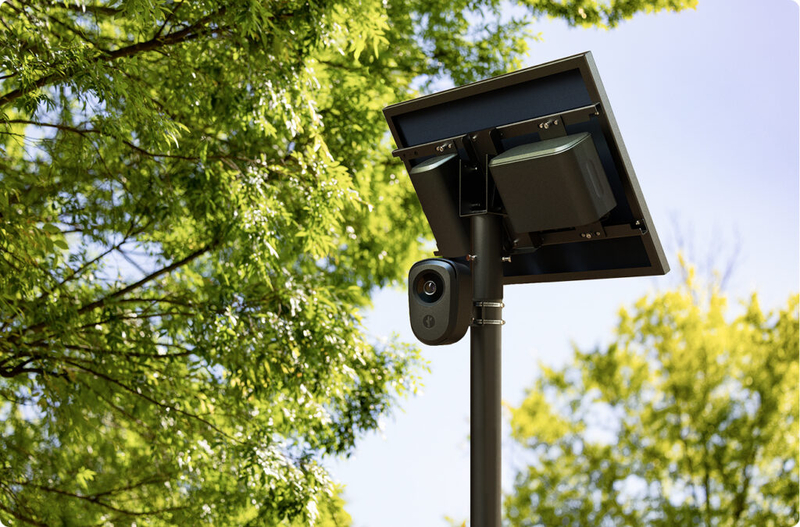
"Thinking there's some sort of happy medium in a surveillance state is just a misnomer,” said the ACLU of Nevada's Athar Haseebullah. (Photo: Flock Safety)
While some Nevada officials want to implement guardrails to limit the use of automated license plate readers like Flock, others have warned regulations won’t go far enough and want Nevada to ban surveillance technology outright.
Democratic Assemblymember Selena La Rue Hatch of Reno confirmed with Nevada Current she plans to introduce legislation to prohibit the use of APLRs in Nevada.
In a statement to the Current, she said people have a “fundamental right to privacy and protections against unreasonable searches.”
“I’m not sure that there are any safeguards you can put on a surveillance state that would make people feel comfortable with being spied on,” she said. “Wagging our fingers and saying, ‘Government and tech oligarchs can spy on us, but only a little!’ is not going to fix the underlying issues or put our constituents at ease.”
Nevada, like most states across the country, is experiencing a broad public backlash to the use of automated readers, with people calling on local and state officials to rein in surveillance tools like Flock.
The state legislative interim Judiciary Committee voted in late August to request a bill be drafted for the 2027 Legislative Session, which begins Feb. 1, to regulate ALPRs.
Potential measures the committee identified include:
- mandating ALPR staff be trained on lawful use and data-protection requirements;
- require independent audits for compliance with adopted policies;
- and submit annual reports on ALPR activity, audit findings, and policies to the Attorney General, the Governor, and the Legislature.
That’s not enough, said Athar Haseebullah, the executive director of the ACLU of Nevada.
“Thinking there’s some sort of happy medium in a surveillance state is just a misnomer,” Haseebullah said. “It’s not realistic to assume that there’s any layers of transparency there. If there was, then we wouldn’t have to be suing all these government agencies, and they could simply put the ACLU out of business.”
The civil rights organization has repeatedly sued local law enforcement, the Clark County School District, and other government agencies, for public records, including access to body-worn camera footage.
“The government is incapable of regulating surveillance technology, and the Nevada legislature, which convenes for four months every two years, will not be the one to litigate any of these issues when people are impacted by this,” he said.
Haseebullah argued it is more prudent for state lawmakers to ban the technology rather than relying on civil rights groups to have to sue to ensure transparency and spend the legislative interim “cleaning up their mess.”
DeFlock, which tracks license plate readers throughout the country, has found more than 50 communities or law enforcement agencies nationwide have canceled contracts, deactivated cameras, or rejected contract proposals so far this year.
The backlash spans the political spectrum, and includes red states; Texas Republican Gov. Greg Abbott, who is seeking reelection this year, last week ordered state agencies to pause spending money on ALPRs.
“The backlash is bipartisan and it’s easy to see why — people don’t like their government spying on their every move, end of story,” La Rue Hatch said. “It is our job as legislators to listen to our constituents, put their wishes into action, and protect their fundamental rights. Banning ALPRs is in line with all of those imperatives.”
“Wagging our fingers and saying, ‘Government and tech oligarchs can spy on us, but only a little!’ is not going to fix the underlying issues or put our constituents at ease.”
Organizers, attorneys, and the public in Nevada have pleaded with state and local officials to take action.
In Northern Nevada people have swarmed city council meetings and held a protest in August against the use of ALPRs.
During a legislative interim Judiciary Committee meeting in June, Paloma Guerrero, with the Clark County Public Defender’s office, called for the state to reel in the technology.
She pointed to reporting across the country that has shown ALRPs like Flock being used for immigration enforcement.
Investigations from Mother Jones and The Washington Post have shown countless cases of law enforcement using technology to track the whereabouts of significant others, exes, and even random strangers.
Nevada lawmakers didn’t need to reinvent the wheel and could look at other states that have implemented laws that prohibit the use of ALRP to track or monitor specific individuals without a warrant, Guerrero said.
The City of Sparks opted not to renew its contract with Flock but instead switched to Axon, which handles body worn cameras for law enforcement.
“Flock just happens to have the most expansive network that allows and most expansive database systems that have led them to be the face of this issue,” Haseebullah said. “All these companies are dangerous. Saying you’re ending a contract with Flock and then awarding it to another ALPR company is not a win. That’s actually a loss for the people in that community.”
But the focus has been mostly on Flock.
Last week, Nevada Attorney General Aaron Ford, who is running against Republican incumbent Gov. Joe Lombardo, called for “stringent rules to protect against the abuse of Flock cameras,” and said if elected governor he would work with legislators to enact “essential guardrails. Until Nevadans have these protections, I do not support the use of Flock cameras.”
In a statement to the Current, Drew Galang, a spokesman for Lombardo, said the governor supports “responsible use of advanced technology, including cameras and automated license plate readers, to fight crime and protect Nevadans.”
“These tools can strengthen public safety, but they must be accompanied by strong safeguards to protect the privacy and constitutional rights of citizens,” Galang said. Lombardo declined to answer what kind of guardrails he would support or if he would support a complete ban.
Prerna Jagadeesh, spokesperson for Ford for Nevada, said in a statement Tuesday that Ford is open to banning Flock cameras, adding that “his first priority is bringing together legislators and communities to hear from everyone and then make an informed decision.”
The Nevada Latino Legislative Caucus last week also condemned the use of Flock automated license plate reader network by law enforcement agencies across Nevada and called on them to suspend their use of the technology until “binding safeguards, meaningful public oversight, and clear accountability measures are established.”
La Rue Hatch said she believes ALPRs are already unconstitutional under Nevada law, “but apparently we need to spell that out in state law, which I am more than happy to do.”
Haseebullah also questioned whether the current use of automated license plate readers in any existing form is constitutional, saying the legislature never gave local agencies the authorization to utilize them. The organization is exploring lawsuits against ALPRs, he said.
“We have people who are afraid to go to the hospital,” he said. “We have people who are afraid to go to their religious worship center. We have people who are afraid to go to protests. We have people who are afraid of being retaliated against by law enforcement if they’re to file a complaint. We’re seeing people afraid consistently. Giving the government more tools to track people’s movement every single hour of the day is incredibly dangerous.”
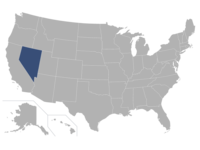
Las Vegas, NV