Bristol Bay is more than a fishery — it is a way of life
Jul 30, 2026 | 5:00 pm ET
Description
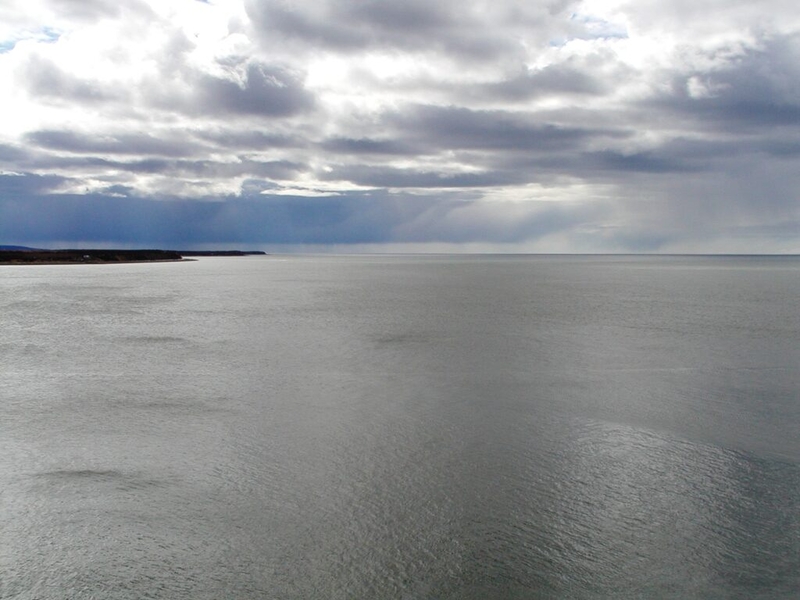
Bristol Bay is seen in 2004 from the community of Naknek. (Photo provided by the Alaska Division of Community and Regional Affairs)
Five days after graduating from high school in 1980, my identical twin brother, Malcolm, and I boarded a plane for Alaska. We were young, restless and convinced we were heading north to make our fortune.
We had no idea Alaska would shape the rest of our lives.
Our first couple summers were spent working long shifts in a cannery, surrounded by machinery, fish slime and the constant smell of salmon. We worked close to 100 hours a week and learned quickly that Bristol Bay did not care how tired, cold or inexperienced we were. Everyone was expected to carry his or her share of the load.
We watched the fisherman, seeing that’s who we wanted to be, and moved from the cannery to the decks of fishing boats. We became deckhands, then captains and boat owners. After years of fishing under other permit holders, we purchased our own limited-entry permit and earned a place in one of the most competitive wild-salmon fisheries in the world.
That journey became the foundation of my book, The Commercial Fishermen.
The book is my personal story, but it is also a record of 45 seasons of change in Bristol Bay. During those years, I watched boats, technology, regulations and markets evolve. Fiberglass boats replaced many of the older wooden vessels. Refrigerated seawater systems improved fish quality. Satellite communication, GPS navigation and more accurate forecasting changed how fishermen operated.
But some things never changed.
The weather could still turn without warning. A calm morning could become a dangerous afternoon of six-foot chop stacked across shallow water. Engines still failed. Nets tangled. Crew members got hurt. A missed tide, a bad delivery price or a transfer to the wrong district could determine whether a fisherman made money or went home owing it.
Commercial fishing is often portrayed as an adventure, and it certainly can be. But it is also a complicated business built around uncertainty. Before catching a single fish, fishermen invest in boats, permits, nets, fuel, insurance, repairs, food, transportation and crew. Then they depend on a wild resource, regulated openings and a market price they do not control.
Bristol Bay has always felt like the Super Bowl of wild salmon. Tens of millions of sockeyes return each summer, and thousands of boats compete during short openings sometimes measured in hours. Success requires preparation, instinct and the ability to make decisions under pressure.
It also requires respect for the fish, the ocean, the regulators, the processors and the communities that make the fishery possible.
Bristol Bay is not simply an economic engine. It is a living culture shared by fishermen, cannery workers, tender crews, mechanics, pilots, local families and Alaska Native communities whose relationship with salmon extends far beyond any commercial season. The health of the fishery depends on protecting the rivers and habitat that produce these extraordinary runs.
That responsibility belongs to everyone who benefits from Bristol Bay.
Over the decades, we witnessed strikes, low prices, record runs, enforcement disputes and seasons when optimism disappeared almost as quickly as the fish. Permit values rose to nearly unimaginable levels and later dropped dramatically. Some fishermen built successful operations. Others lost boats, marriages, money or years of their lives chasing one greater season. It’s the high of gold fever and always trying to catch more.
Yet fishermen return because Bristol Bay becomes part of them. They return for the first announcement over the radio, the sight of salmon hitting the net and the electricity that moves through the fleet when the fish arrive. They return for the friendships formed during long days and sleepless nights. They return because, for a few weeks every summer, every decision matters.
I wrote The Commercial Fishermen because these stories deserve to be preserved. Much of Alaska’s history lives not only in official records, but also in wheelhouses, net lofts, bunkhouses and conversations between fishermen waiting for the next opener.
My brother and I arrived in Alaska as teenagers looking for opportunity. We left with something more valuable: a lifetime of experiences, friendships and respect for a place that demanded everything we had to give.
My boat has been sold, but the tide keeps moving. New generations of fishermen are now writing their own Bristol Bay stories. My hope is that they will inherit not only a productive fishery, but also an understanding of the sacrifice, responsibility and community required to keep it alive.
Juneau