In bid to reduce recidivism, Legislature backs bills to evaluate, improve re-entry process
Mar 20, 2024 | 2:48 pm ET
Description
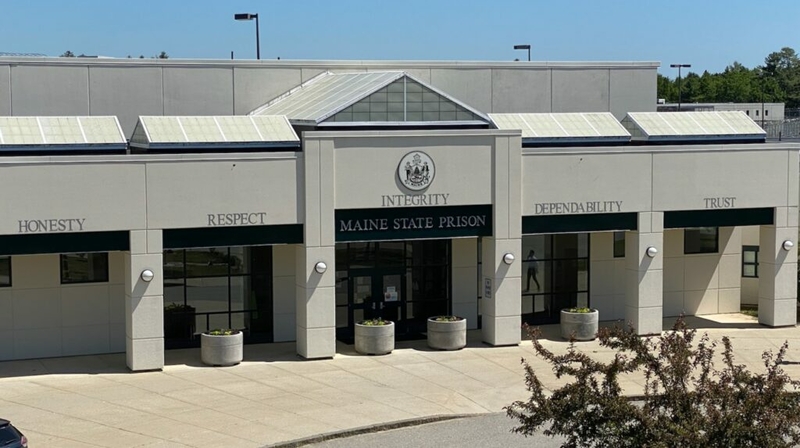
Maine State Prison in Warren, Maine. (photo via Department of Corrections)
In effort to reduce recidivism in Maine’s criminal legal system, the Legislature is advancing bills to evaluate and improve the post-incarceration reentry process.
This week, both the House and the Senate gave initial approval to a bill sponsored by House Speaker Rachel Talbot Ross (D-Portland), LD 1514, that seeks to tackle challenges with the reentry process for adults. The bill would provide one-time funding of $200,000 to the Maine Department of Corrections (DOC) to work with a community organization to create a transitional housing pilot program for those leaving incarceration that would also provide assistance with rent and support with other life skills.
The measure was approved by the House on Tuesday on a 75-60 vote, with Republicans largely opposing the bill. The Senate passed the bill by unanimous consent on Wednesday. The proposal will face further votes in both chambers in the coming weeks.
During a hearing on the bill last month, Talbot Ross said there is currently a similar program through Preble Street for youth exiting incarceration. The DOC also funds a 12-bed transitional living center in Bangor for adults, but Talbot Ross said more housing assistance for those exiting prison is needed.
The program LD 1514 would fund would provide transitional housing for six months, enough time to help people get back on their feet, she said.
“There needs to be a way for us to transition people back into the community,” Talbot Ross said. “It helps to reduce recidivism.”
This week’s votes come as the House and Senate earlier this month passed another bill sponsored by Talbot Ross — LD 1978 — that directs the University of Maine System to evaluate the effectiveness of rehabilitation, vocational and educational programs within the DOC that are meant to prepare residents for reentry.
That bill is now before the Special Appropriations Table, where it will be considered for funding.
Rep. Dan Sayre (D-Kennebunk) also put forward legislation this session to evaluate the reentry system, although his bill — LD 931 — directed the DOC itself to conduct a review of such services and examine how residents are being prepared to enter the workforce.
Sayre worked with Talbot Ross on the final drafting of LD 1978, and he said the speaker’s bill accomplishes what he wanted to achieve with his proposal while also taking a broader look at people’s experience in prison and requiring a holistic examination of the reentry system.
“[LD] 1978 in many ways is [LD] 931 on steroids,” Sayre said.
The proposals come as the DOC’s reentry services have been criticized recently by some advocates, particularly when it comes to people on probation, a court-ordered period of community supervision. Freedom of Access Act requests by activists and Maine Morning Star found that 713 people in Maine’s adult community corrections system died while on probation from 2013 to 2023 and that the number of deaths has largely crept upward over the years.
“The experience of people leaving incarceration is poor in many cases, and fatal in some cases. Too many cases. And we need to do better,” Sayre said.
Augusta, ME