Betting on dog racing may finally run its course in Rhode Island
Mar 19, 2026 | 3:53 pm ET
Description
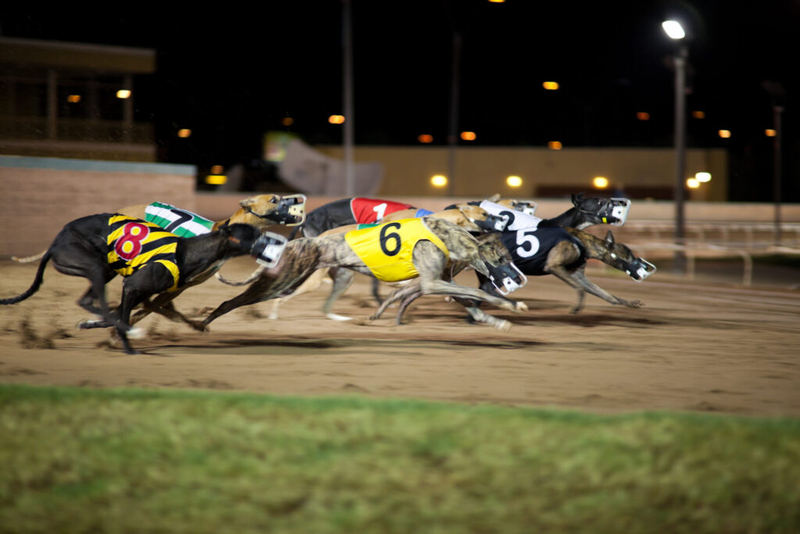
West Virginia is home to the only two remaining greyhound tracks in the U.S. But bettors can still place a wager in person at Bally's Twin River Casino in Lincoln. (Stock photo/Getty Images)
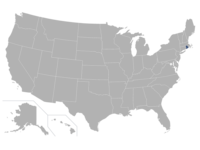
Greyhounds took their last loop in Rhode Island in 2009, the year before lawmakers moved to permanently ban dog racing in the state. But the betting never stopped since simulcast races are still shown on the second floor of Bally’s Lincoln casino.
Between 2020 and 2025, the state saw nearly $25 million worth of wagers on greyhound racing. Last year alone saw roughly $6.2 million worth of bets on dog racing, according to data from the state’s Department of Business Regulation (DBR).
Revenue from those wagers would go away starting next year under a bill that seeks to prohibit the placing of wagers on the outcome of any dog race, no matter where it happens. The only two greyhound racetracks in the country are in West Virginia.
The bill sponsored by Sen. Mark McKenney, a Warwick Democrat, received its initial hearing before the Senate Committee on Labor and Gaming Wednesday afternoon. McKenney did not testify on its behalf even after entering the committee chambers.
Instead, championing the proposal before the legislative panel, was Carey Theil, executive director of the Massachusetts-based GREY2K USA Worldwide, which has pushed to end greyhound racing across the globe.
“Greyhound racing goes against our core values, and this is something we should put in the history books,” he told lawmakers. “This goes against the policy the legislature set 16 years ago.”
Rhode Island officially banned dog racing in 2010 after the General Assembly overwhelmingly approved legislation prohibiting the DBR from licensing the activity in Lincoln. But state law did not address whether betting on races held elsewhere remained legal.
“This is something I wouldn’t mind getting rid of,” McKenney said in an interview Thursday. “There’s a whole slew of reasons why Rhode Island did away with it.”
Bally’s Corp. opposes McKenney’s bill.
“Should this legislation pass, state revenue would be lost and long-standing union jobs that rely on this wagering would be cut,” Elizabeth Suever, the Providence-based company’s vice president of government relations, wrote to the committee. “We feel it is in the interest of the state and our employees for Bally’s to retain the ability to simulcast dog races from jurisdictions where the sport remains legal.”
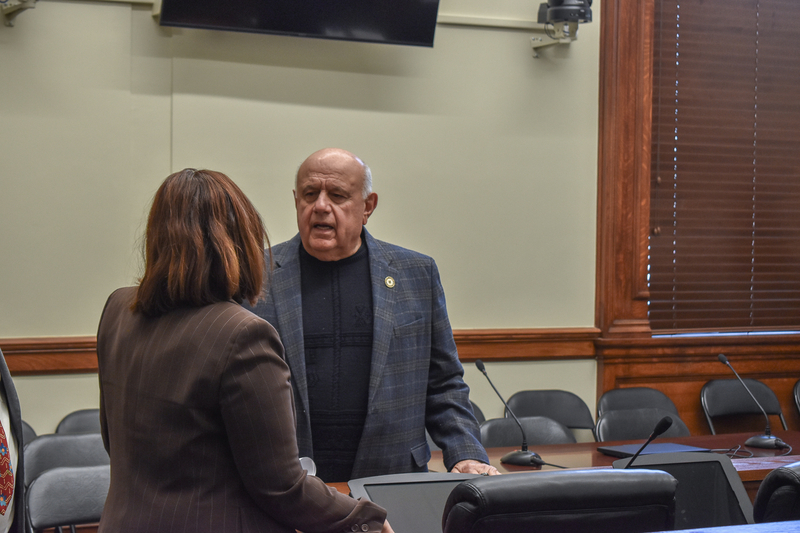
Senate Majority Leader Frank Ciccone, a Providence Democrat who previously chaired the Committee on Labor and Gaming, voiced similar objections in person to the committee. Ciccone heads the General Assembly’s Joint Committee on State Lottery.
“I’m here to try to keep money in this state,” he said.
Neither Bally’s nor Ciccone provided the committee how much revenue dog racing has generated for the state. The licensee overseeing greyhound races — in this case Bally’s — pays tax rates ranging from 5.5% to 10.75% depending on how much is wagered per day.
McKenney said the most recent figures he saw for 2024 noted about $270,000 in revenue.
“That’s not really a whole lot of revenue to the state,” he said.
The Department of Business Regulation, which oversees rules governing greyhound racing, did not immediately provide revenue data to Rhode Island Current.
Greyhound racing goes against our core values, and this is something we should put in the history books. This goes against the policy the legislature set 16 years ago.
Greyhounds often endure lives of confinement, Theil noted to lawmakers. Many dogs suffered injuries including broken legs, paralysis and death from cardiac arrest from being forced to race.
“Rhode Island has a proud tradition of leading on animal welfare issues, and should not be one of the last states to allow gambling on cruel dog races,” Thiel wrote to the committee.
The debate on whether to ban simulcasts came the same day lawmakers in Scotland voted to ban greyhound racing nationwide, joining Wales which approved its own ban Tuesday.
Theil’s written testimony notes since 2022, bills to outlaw greyhound simulcast wagering have passed in Arizona, Arkansas, Colorado, Connecticut, Kansas, Massachusetts, New Hampshire and Oregon.
A total of 44 U.S. states have outlawed dog racing since the 1990s, but only West Virginia has active racetracks.
There is a chance Rhode Island lawmakers may not even need to act. Congress is considering a federal ban now included in its omnibus Farm Bill.
“West Virginia is difficult because kennel operators are politically powerful in the state,” Theil said. “We have essentially been on the two-year line in terms of the bill to end greyhound racing in West Virginia for almost a decade.”
Ciccone told the committee that the problem is not Rhode Island’s to solve.
“If you want to eliminate dog racing, you actually eliminate it in the state where dog racing is allowed,” he said.
McKenney’s bill was held for further study by the committee, as is standard practice . Companion legislation sponsored in the House by Rep. Patricia Serpa, a West Warwick Democrat, has not yet been heard before the chamber’s Committee on Finance.
- March 20, 202610:07 amUpdated to note Senate Majority Leader Frank Ciccone chairs the General Assembly's Joint Committee on State Lottery.
Providence, RI