The best tool to protect voting rights this fall? Your own community.
Aug 14, 2026 | 1:09 pm ET
Description
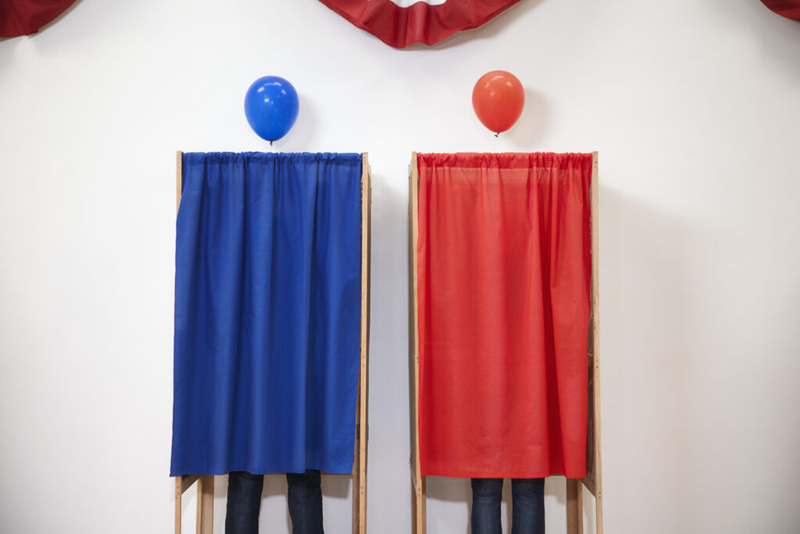
(Photo via Getty Images)
Last week marked the 61st anniversary of the passage of the Voting Rights Act , which banned racial discrimination in voting, and the 51st anniversary of a VRA extension that protected voting rights for non-English speakers. These laws have helped ensure that millions of eligible Arizona voters were able to exercise that fundamental right over the past six decades, and will continue to do so when they head to the polls for this November’s midterms.
If you follow national news, you’re probably aware that this anniversary celebrates a VRA that is significantly weaker than when it first passed all those years ago. Recent court cases, including Louisiana v. Callais this spring, have chipped away significant portions of the law and, with it, key provisions that protected the rights of voters to have an equal say in selecting our country’s elected officials.
The good news? If you’re reading this article, you may or may not be aware of the enormous power you possess to protect what’s left of the VRA for voters in your community, starting right now. You don’t even have to go out of your way to do it.
Whether you’re someone who regularly interacts with other members of your community — like a teacher, performer, business owner, health provider, or coach — or someone who just spends time with friends and family, you can be a force-multiplier for the most direct and impactful tool Arizonans have available to protect the VRA this fall: massive and diverse voter turnout.
To be clear, over the long term, elected leaders must act to codify protections for all eligible voters, regardless of their political orientation or background, to ensure the long-term health of our democracy. But over the next three months, friends, neighbors and trusted community members are the key players in protecting the right to vote.
This is especially true when it comes to mobilizing young people, who don’t trust the political system and are increasingly avoiding affiliation with political parties. Entities that traditionally have moved voters to act, like political campaigns or organizations, hold less sway than ever. At the same time, in-person interactions and spending time in community have been shown to help motivate people to the polls.
So, how can you use your relationships with your friends, families and community members to protect the right to vote? It’s simple: Be a source for trustworthy, nonpartisan information about the voting process.
If you run a business, post signs reminding your customers to check their voter registration status, which they can do at https://nationalvotereducationweek.org/vote/ or by visiting their local registrar or clerk’s office. If you interact with customers, remind them about relevant dates, like Oct. 5, which is the last day they can register to vote; Oct. 7-30, which is Arizona’s early voting period; and Oct. 23, the last day voters can request mail ballots.
If you know anyone in your life who’s new or unsure about the voting process — and especially if you interact with young voters, first-time voters or members of tribal communities — you can brush up on Arizona’s voter ID requirements and help people in your circle make sure they have the valid Arizona driver’s license or non-operating ID card, tribal enrollment card or other form of tribal ID, or valid federal ID — such as a passport — necessary to cast a ballot in Arizona.
And no matter who’s in your life, they’ll benefit from having a calm, confident, and accurate source of information who can dispel false rumors or misinformation about potential changes or federal government interventions in this fall’s election. Make sure they know that nobody, not even a federal agent, is allowed to intimidate them when voting.
All of this messaging is most impactful if it comes directly from you. Outsiders or political campaigns can try all they want to move voters, but friends and neighbors are the trusted messengers we need to meet today’s moment.
Looking for a free, easy way to inform voters in your community? Check out National Voter Education Week any time, and celebrate with us Oct. 5-9, 2026.
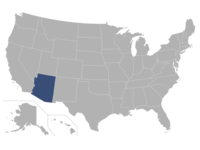
Phoenix, AZ