Arkansas sues OpenAI, claiming company misled consumers about ChatGPT safety
Oct 14, 2026 | 5:19 pm ET
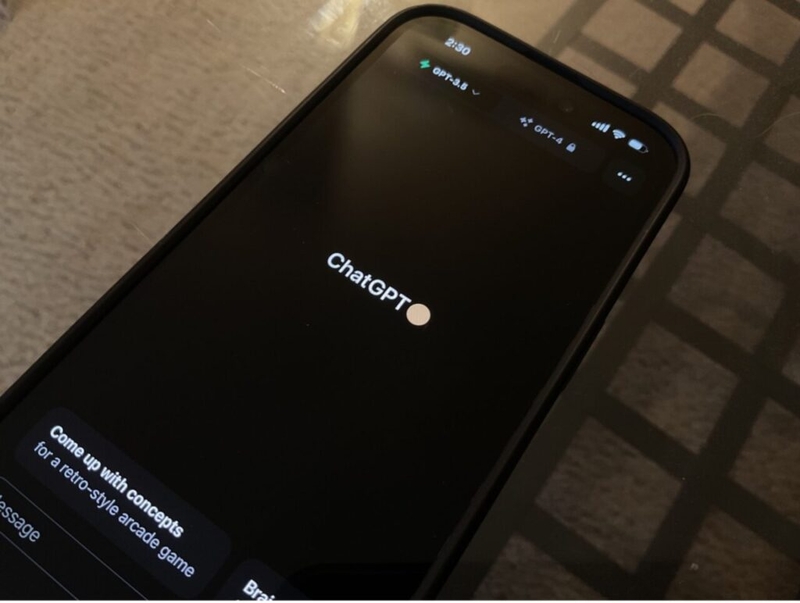
Description
(Photo by Madyson Fitzgerald/Stateline)
Arkansas Attorney General Tim Griffin filed a lawsuit against OpenAI Wednesday, accusing the company of misleading consumers about the safety of ChatGPT.
The Republican attorney general accused the maker of the artificial intelligence text chatbot as hiding from consumers ChatGPT’s risks and limitations. The suit accuses the company of violating Arkansas’ Deceptive Trade Practice Act and the state Children and Teens’ Online Privacy Protection Act, a 2025 law that established privacy protections for teens online.
The lawsuit claims OpenAI hasn’t disclosed the limits of its safeguards for users discussing topics like drug use and self-harm. It also cites ChatGPT’s failure to direct users discussing suicide to professional resources.
AI therapy chatbots draw new oversight as suicides raise alarm
“ChatGPT has encouraged suicide and self-harm, reinforced delusions and emotional dependence, provided dangerous medical advice, and assisted users in planning violence,” the lawsuit, filed in Faulkner County, said. “These were not unforeseeable uses of the product. They reflected known risks that OpenAl failed to adequately address before marketing ChatGPT as safe and trustworthy.”
OpenAI did not immediately respond to a message Wednesday afternoon about the lawsuit.
The lawsuit is the first Griffin has filed against an AI firm and it comes amid growing concerns about the development of AI and a lack of regulation. Leading AI companies have called for a slowdown, though President Donald Trump has pushed back against those efforts.
Advocates have also been pushing for more AI chatbot protections at the state level throughout the country.
Similar lawsuits were filed against OpenAI by the attorneys general of Iowa, Kansas, Nebraska, West Virginia, Arizona, Idaho, Montana and Utah.
Most Americans think artificial intelligence is developing too fast, a new AP-NORC poll finds
OpenAI has faced other lawsuits claiming that ChatGPT drove people to suicide, and earlier this year received subpoenas from several states investigating the safety of the chatbot.
In addition to civil penalties and restitution, Arkansas’ lawsuit seeks a requirement that OpenAI provide “clear and conspicuous disclosures” of ChatGPT’s risks and an injunction from further advanced AI testing and creating models capable of recursive self-improvement until adequate safeguards are in place.
“OpenAI assures us that ChatGPT is safe,” Griffin said in a news release. “The consequences of that assurance are lives lost and people harmed.”

Little Rock