Alabamians are facing more debt collections lawsuits than ever, says report
Jul 20, 2026 | 6:01 am ET
Description
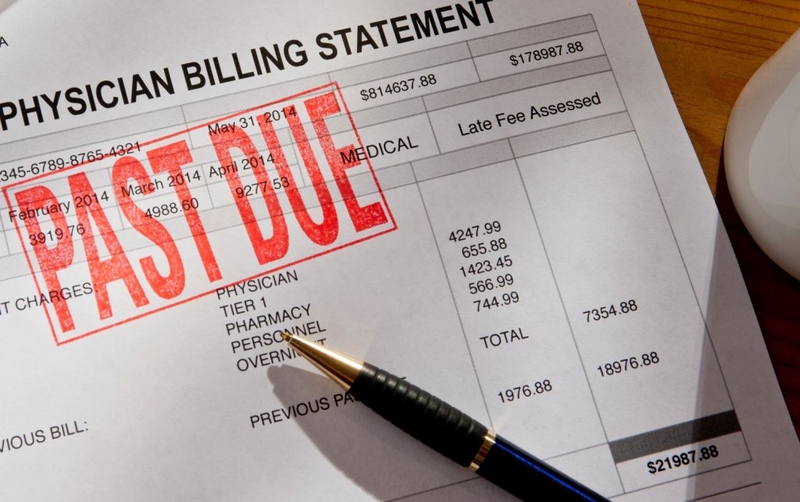
Six percent of adults — 16 million people — in the United States have debt above $1,000, according to KFF's 2022 analysis. Debt collectors are filing an increasing number of lawsuits in state courts to force people to repay their outstanding obligations, according to a July study. (Getty Images)
A study published last week found debt lawsuits in Alabama reached their highest level in 2025, affecting some of the most vulnerable people in the state.
The study by Pew Charitable Trusts, with analysis from January Advisors, found about 108,308 collection lawsuits were filed in the state last year, 140% of the 2019 number.
“And that is the highest number we have seen recorded in Alabama data, as far as debt collection lawsuits go, going back to 2010 when the state website was tracking this data,” said Lester Bird, senior manager for the courts and communities project at Pew Charitable Trusts.
“The core driver behind the rise in litigation is a systemic breakdown in communication. Litigation is typically a last resort, pursued only after cooperative outreach has been exhausted and primarily with consumers who can pay but choose not to engage,” ACA International said in a statement on Sunday, a trade organization that represents debt collection agencies.
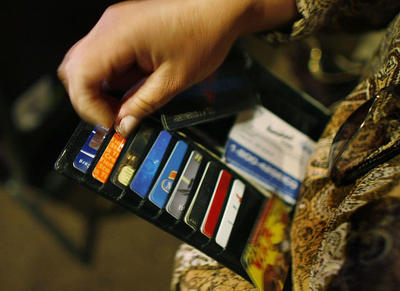
That figure accounts for debt collection lawsuits, many of which are medical debts and credit cards, and they have increased significantly since 2023, according to experts. Although the data did not separately aggregate the different types of lawsuits, the data shows debt filings went from about 54,000 in 2023 to more than 108,000 last year as it reached its high-water mark.
“The people who are most vulnerable are people of color, primarily Black Americans for a range of systemic racist laws, women with children because kids are so expensive – daycare is more than some people earn in a month,” said Deborah Thorne, a professor of sociology at the University of Idaho. “Seniors, and people who are sick with chronic illnesses.”
Some majority-Black counties saw major increases based on the data from the Office of the Courts and an analysis from the Alabama Reflector. In Greene County, where Black Alabamians comprise about 81% of the population, the number of debt collection filings jumped 500% from 2010 to 2025. Sumter County, with a Black population of 73%, saw the number of debt filings go from 43 in 2010 to 242 in 2025, an increase of 463%.
Majority-white counties also saw increases. In Cleburne County, with a population that is almost 93% white, filings went from 219 to 309, an increase of 41%. In Winston County, where 91% of residents are white, filings increased by 82%.
The suits have also become a greater share of all civil cases filed in the state. In 2023, debt collections accounted for about one-quarter of all cases. Last year, they took up about 38% of the nearly 290,000 civil claims filed in the state, according to the Alabama Administrative Office of the Courts website.
The increases happening in Alabama mimic a trend unfolding across the country, Bird said.
Alabama had the fourth-highest increase in debt collection suits among the eight states that Pew and January Advisors studied. No. 1 was Missouri, where numbers have jumped 188% since 2019, according to the study. The next highest state was Texas at 177%, then Massachusetts at 153%, followed by Alabama.
“It does seem like a pretty significant increase in at least several of these states, going up 25%, 50%, 75% in just a few years,” said Daniel Wilf-Townsend, an associate professor of law at Georgetown University. “It certainly seems like a significant rise to me.”
Before the outbreak of the COVID-19 pandemic in 2020, civil claims for debt collection had been increasing in state courts. Claims were relatively stable for a few years after but started rising again in 2023.
Wilf-Townsend said increases in debt collection filings could be due to people falling further into debt, collection agencies pursuing debts more aggressively or procedural changes.
The amount of outstanding credit card debt, one of the main components for debt collection filings, have continued to increase. According to the New York Federal Reserve Bank’s Household Debt and Credit Report, U.S. households had about $819 billion in aggregate credit card balances at the end of 2020. It increased to $1.28 trillion at the end of 2025, an increase of about 56%.
Robert Lawless, a professor at the University of Illinois College of Law, said that the number of lawsuits regarding debt collection increased because of technology.
“Part of it is that it is also easier to track what people owe, and to track people,” he said. “Debt collection has also been more specialized. It makes more business sense to pursue cases that maybe 25 years ago would not have been worth it.”
Many of the companies who sue over debt are not the original creditors. Many times, other firms purchase the unpaid amount from the original creditor who will then own the claim.
“The car lender will sell that claim to a debt buyer, who will pay pennies on the dollar,” Lawless said. “The debt buyer buys a $2,000 claim for $200. The debt buyer is betting that it can collect more than $200. These sell cheaply because it is a truism that you can’t get blood out of a stone.”
Debt collection agencies purchase a collection of debts and spread the risk across an amalgam of debtors.
ACA International said the reason for the increase in litigation comes from a breakdown in communication between creditors and debtors. The hurdles come from regulatory barriers imposed by the Consumer Financial Protection Bureau, credit reporting limits and misinformation.
“Social-media ‘finfluencers’ often tell consumers to ignore legitimate outreach,” the statement said.
The organization also said laws are already in place to protect debtors from having their assets seized.
“The Fair Debt Collection Practices Act requires collectors to provide written validation notices, prohibits harassment and deceptive practices, and gives consumers the right to dispute debts and request verification,” ACA International said in the statement.
“If you specialize in auto loan deficiencies, you have a pretty good sense of what is collected in the end,” Lawless said.
The process is also steep in legalese, and debtors may not understand what they need to do with the court. The report from Pew states that less than 4% of defendants have an attorney to assist with their cases. Other times, consumers are entitled to protections that they may not receive.
Some states protect some of the money in people’s bank accounts, or funds are protected if they come from specific sources, such as Social Security payments and veterans’ benefits.
Delaware law does not allow debt collectors to garnish money from people’s bank accounts because of a lawsuit. Other states, such as California, limit the amount that debt collectors can take.
“But often, in order for those protections to apply, the defendant has to go to the court and affirmatively assert them,” Wilf-Townsend said. “So, if the person doesn’t know those protections exist, then the person doesn’t end up being able to get the benefit of them.”
The National Center for Access to Justice at Fordham University reviewed the rules established in 50 states and Washington, D.C., and created a ranking for how well they promote fairness when people are being sued over alleged debt.
No state earned even a passing grade, but the nation’s capital ranked the best with a score of 58 out of 100. Alabama placed 9th with a score of 32.
Alabama received a higher score in the index because some of its laws gives consumers some protection from debt collectors. For example, Alabama does not require consumers to pay a fee when they file court paperwork in response to a lawsuit filed by a debt collector. The state also received a higher mark because it requires debt collectors to provide banks with a court order before seeking to garnish people’s money.
“While Alabama was 9th on the list, which is high relative to some states, it is still well below a passing score,” said David Udell, executive director of the National Center for Access to Justice. “And that low score of 32 signals that there are many safeguards that can be incorporated into state law that make the process fairer, but that Alabama does not yet have in place.”
The center recommends that Alabama establish pleading requirements mandating debt collectors who file lawsuits to state the name of the original creditor, enabling courts and defendants to learn the origin of the claimed debt; their standing in the case, enabling courts and defendants to determine if the plaintiff is legally entitled to bring the suit; and an itemized list of the charges that remain outstanding, enabling courts and defendants to understand the amounts claimed.
Other recommendations include rules ensuring the debt is actually valid, and that Alabama automatically protect enough weekly income from wage garnishment to keep a family of four above the federal poverty level.
The Pew report recommended protecting people’s bank accounts, ensuring that people have the correct information about the debts in the lawsuit and adequate notification about litigation.
“Some of the fixes are not going to come from the legal system. They are going to have to come from our economic-employment system,” Wilf-Townsend said. “Debt is not just a problem of litigation. It is also a problem of social organization, economic organization, and income security and income inequality. It is also going to have to happen with policy measures to improve people’s income and their income security.”
Correction: A previous version of the story misstated that lawsuits increased by 140% since 2019, it is actually 140% of the total number of lawsuits filed in 2019.
Montgomery