Alabama death row inmate files suit to prevent 2nd execution attempt
Aug 25, 2026 | 5:59 am ET
Description
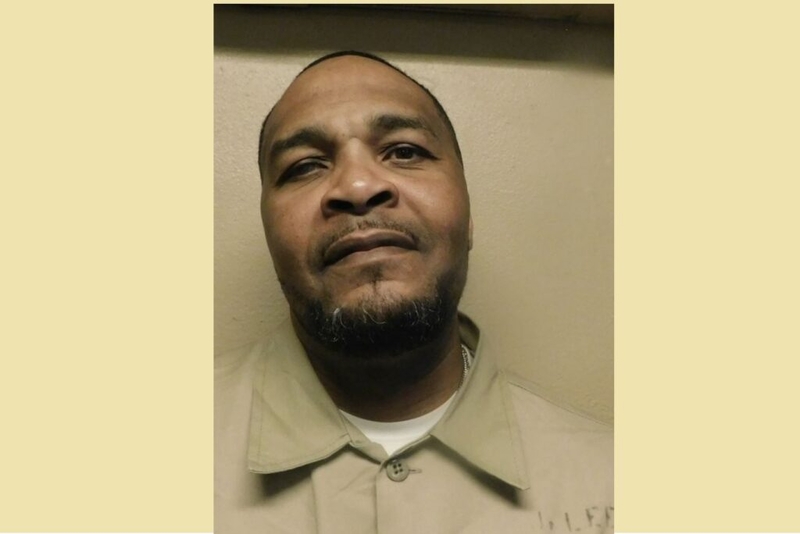
Jeffrey Lee was convicted of the murders of Jimmy Ellis and Elaine Thompson during a pawn shop robbery in 1998. Attorneys for Lee filed a lawsuit in Montgomery County Circuit Court earlier this month to prevent the state from trying to execute him a second time by lethal injection. (Alabama Department of Corrections)
A death row inmate who successfully challenged Alabama’s nitrogen gas protocol filed a lawsuit earlier this month in Montgomery County Circuit Court to prevent his execution by lethal injection.
Attorneys for Jeffery Lee argued in a suit filed on Aug. 14 in Montgomery Circuit Court that Alabama law does not allow the state to use lethal injection if he chose to die by nitrogen gas.
“A plain reading of Alabama indicates that ‘when a condemned prisoner has made a timely election of nitrogen hypoxia, that remains his exclusive method of execution unless and until the Alabama Supreme Court, the U.S. Supreme Court, or the Eleventh Circuit (if certiorari is denied) has found the nitrogen hypoxia method of execution — and not merely the protocol implementing it — unconstitutional,’” Lee’s attorneys said in the lawsuit.
Lee filed the challenge about a month before he was scheduled to be put to death on Sept. 17 for his role in the deaths of Jimmy Ellis and Elaine Thompson during robbery of a pawnshop in Orrville, Alabama in 1998.
A federal judge rejected a similar argument Lee made in July when he asked that a permanent injunction against Alabama’s nitrogen gas protocol be extended to include lethal injection.
Lee filed a lawsuit against the state’s use of lethal injection in 2016. Under a 2018 settlement of that action, Lee and attorneys for the stateagreed that the inmate would be executed by nitrogen gas.
Lee’s legal team said in the Aug. 14 filing the method remains lawful because the permanent injunction applies only to the specific protocol the Alabama Department of Corrections plans to use and not to the method.
“The State’s position is that nitrogen hypoxia is unavailable because the Middle District has enjoined it from using the Protocol to execute Mr. Lee,” the Aug. 14 filing states. “But that is unavailability of the State’s own making: the State developed an unconstitutional Protocol for executions by nitrogen hypoxia and now refuses to make any changes that might save it.”
Instead, the ADOC should revise the procedure or proceed with execution by firing squad, which Lee indicated a preference for.
Lee earlier this year challenged nitrogen gas executions, arguing that the method would subject him to pain beyond what the Eighth Amendment allows and that a firing squad was a feasible alternative. U.S. District Judge Emily Marks ruled that the method would subject the condemned to “air hunger” prior to rendering them unconscious, but said that experience is part of the process that was needed to carry out a death sentence.
However, a three-judge panel at the 11th Circuit Court of Appeals reversed that ruling and said that depriving people of air for that length of time causes “a substantial risk of serious harm” and remanded the case to Marks to decide whether Lee’s preferred method of execution by firing squad could be readily implemented, which led to the injunction against nitrogen executions. The U.S. Supreme Court allowed the appeals court’s ruling to stand.
Marks refused to extend the permanent injunction last month, writing that Alabama’s shift to lethal injection was “attributable to a change in essential facts.”
Marks also said that federal courts do not have the authority to decide the state laws that states are required to follow.

Montgomery