After Morrisey vetoed help for WV kids aging out of foster care, support programs could still expand
May 20, 2026 | 2:47 pm ET
Description
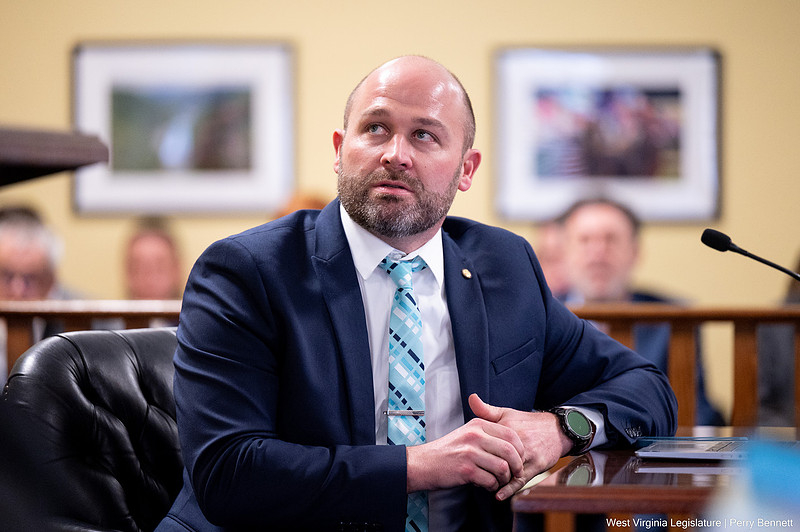
Del. Adam Burkhammer, R-Lewis, has spearheaded foster care reform efforts at the state Capitol while being a foster parent alongside his wife. (Photo by Perry Bennett/West Virginia Legislative Photography)
After Gov. Patrick Morrisey vetoed a bill to help children aging out of foster care, the state is still looking to expand support services for this population.
Teens and young adults aging out of foster care are at high risk for becoming homeless during the transition to adulthood or incarceration. More than 50% are unemployed by age 24.
Del. Adam Burkhammer, R-Lewis, who sponsored the vetoed legislation, said the potential expansion of services for children aging out of care is good news.
“It’s great to hear that the program is going to go ahead and expand, and we’re going to get care to all the kids that need it that are aging out,” Burkhammer said on Tuesday at the state Capitol in Charleston, West Virginia.
In March, lawmakers passed House Bill 4730 to expand West Virginia programs that help children aging out of foster care with independent living, finding employment, continuing their education and more. The goal was to streamline statewide services to reach more youth.
Programs helping these teens and young adults currently have waitlists.
“We know that there’s still a large number of kids that are aging out of care that aren’t attached to a family and aren’t getting the support they need,” said Burkhammer, who is a foster parent.
Morrisey vetoed the legislation last month and cited the potential price tag, saying it contained “uncontrollable cost drivers.”
There are 5,880 children in state foster care, and the highest rate of those children are ages 13 to 17. There are around 400 young adults in foster care ages 18 to 20.
Kendra Boley Rogers, deputy commissioner for the state Bureau for Social Services, told House of Delegates members that the state is hoping to expand its programs for children aging out of foster care.
The Transition to Adulthood Program, or TAP, operates in 23 counties through three agencies. TAP provides guidance, life skill training and other help to young adults as they transition into adulthood after foster care.
“We have accepted about 300 youth in that program … Of that, 254 youth have completed an education program, 226 youth have obtained and maintained employment, 292 youth were able to maintain financial self-sufficiency,” Boley Rogers said. “That obviously does not account for all of our foster youth aging out of care.”
“I think we really need to identify the biggest areas of need … starting out small with the expansion, so that (it) doesn’t expand too quickly, but understanding where the most critical needs for our youth are, and then expanding into those areas,” she continued.
Boley Rogers couldn’t say how many foster children were still in need of services while aging out of care.
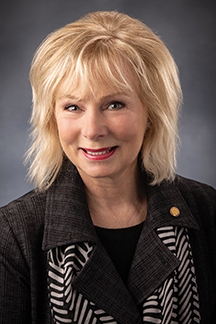
“I would like to really drill down a little bit more to know how many youth are missing,” said Del. Margitta Mazzocchi, R-Logan. “We are here, trying to really get this taken care of, but if we don’t know how many were taken care of, how much money do we need to invest in? If you can’t give us the numbers, how can we deal with it?”
The state currently also helps children aging out of care with independent living subsidies, support services, medical coverage and education vouchers and more.
The bill vetoed by Morrisey would have required the state to maximize available federal funding earmarked for children aging out of foster care until the age of 21. West Virginia returned millions of dollars to the federal government that was meant to help foster children transition into adulthood. The state Department of Human Services would have been required to report annually to lawmakers about the use of those federal funds, according to the legislation.
Boley Rogers said the department is requesting additional federal dollars through the Chafee program to put towards helping children aging out of foster care.
“We’ve just got to figure out what the plan is, what direction the executive branch is going to go, and figure out how we can best support it,” Burkhammer said. “Moving forward, we’re going to continue to have these conversations and ensure that we’re using those Chafee dollars and we’re getting the services directly to the youth.”
Burkhammer continued, “The governor has said time and time again he wants to work with the Legislature, and we’re going to take him up on that offer. We’re going to continue to work with them to ensure that kids and families are getting the protections they need or the services they need.”
Morrisey also vetoed several other child welfare measures, including a bill that would have required the state to develop and implement a plan for preventing children from entering the foster care system.
Charleston, WV