After Ashland dam removal, freshwater mussel species reintroduced to South Anna River
Jun 05, 2026 | 5:25 am ET
Description
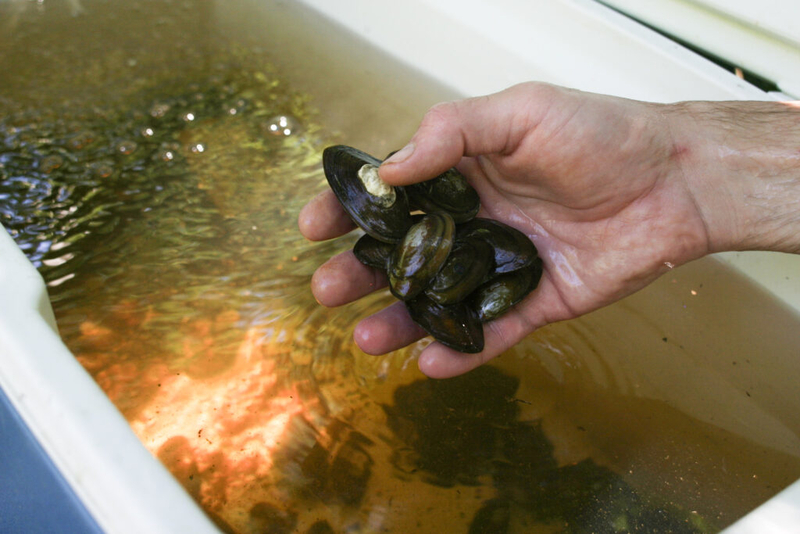
Alewife floater, a freshwater mussel, to be reintroduced to the South Anna River. (Photo by Shannon Heckt/Virginia Mercury)
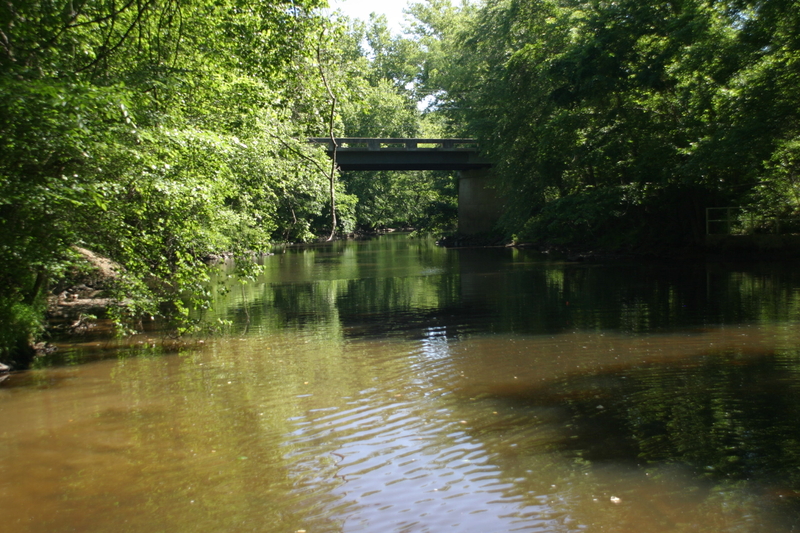
For about 200 years the Ashland Mill Dam, about a half-hour north of Richmond, blocked many fish from moving through the South Anna River. Without fish like herring to attach their larvae to, a freshwater mussel species known as the alewife floater disappeared from the waterway, making them “functionally extinct” in the area, according to Joe Wood with the Chesapeake Bay Foundation.
The dam was removed two years ago and on Thursday, biologists and volunteers planted over 750 of the shelled critters back in the river to help them migrate upstream.
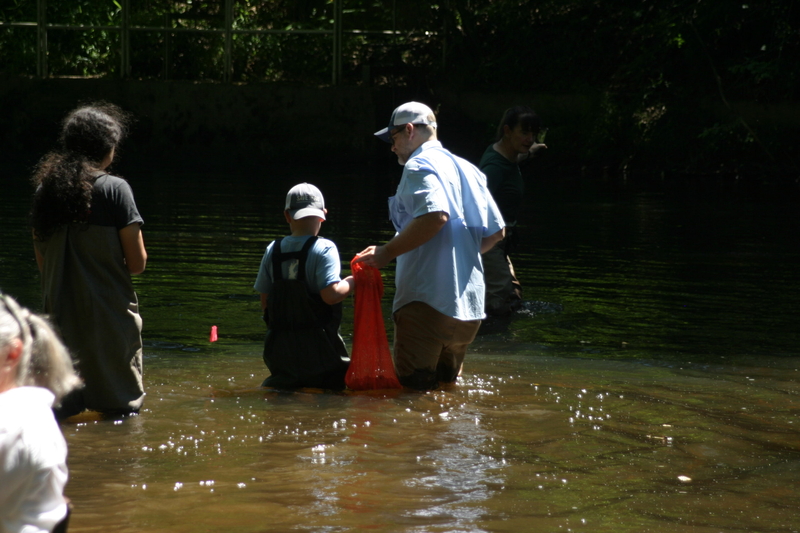
“With the dam gone, we know that there’s unfettered access to these habitats. Any of the fish that are moving up and down this river that are potential mussel hosts are going to help these mussels,” said Alan Weaver, the fish passage coordinator for the Virginia Department of Wildlife Resources.
For decades, scientists worked to find ways to either build a fishway —a pathway through the dam to allow some fish to move through — or find a way to remove the dam outright. In 2024, a private company purchased the dam to get mitigation credits required by federal law through the Clean Water Act to offset another project in the same watershed that could damage wetlands or other habitats.
The company, Davey Mitigation, demolished the dam that had been a fixture of the western Hanover landscape for nearly two centuries.
Since the removal, several targeted species have been able to migrate up the river for the first time in years. The restoration of mussel habitats also coincides with new goals laid out in the recently-renewed Chesapeake Bay Watershed Agreement, which outlines goals for animal habitat growth and pollution reduction.
“Understanding that life cycle is really important to understanding freshwater mussels, because they’re one of our most endangered classes of organisms in the country,” Wood said.
Alewife floaters are one of five mussel species found in the area. They can filter up to 15 gallons of water a day, which helps clear pollutants and sediment from streams.

The alewife floaters rely on herring to carry their young upstream to grow and spread. Once the dam was removed, scientists began noting species of fish farther up the river than previously recorded.
“Last year, we got the American shad, the hickory shed, the alewife, the blueback herring,” Weaver said. “Not only the fish are using the river, but they’re also going pretty far inland, and they’re actually using the habitat that we predicted that they would use.”
The effort to restore the freshwater mussel populations was made possible through a partnership between the Chesapeake Bay Foundation, the Departments of Wildlife Resources, and Conservation and Recreation, and the Pamunkey and Mattaponi Indian Tribes.
The Bay Foundation received a federal grant of $199,700 through the Chesapeake WILD program to restore wildlife habitat through this alliance, with a matching fund of $44,100 from various sources.
Even with the dam removal, the return of the alewife floaters has been slow. Wood said it could have taken another hundred years for the mussels to move back upstream to their full potential. The planting efforts will speed up their migration and establish habitats to help them grow.
Richmond, VA