ACLU, New Mexico lawmakers petition state Supreme Court to block infant-removal policy
May 20, 2026 | 12:17 pm ET
Description
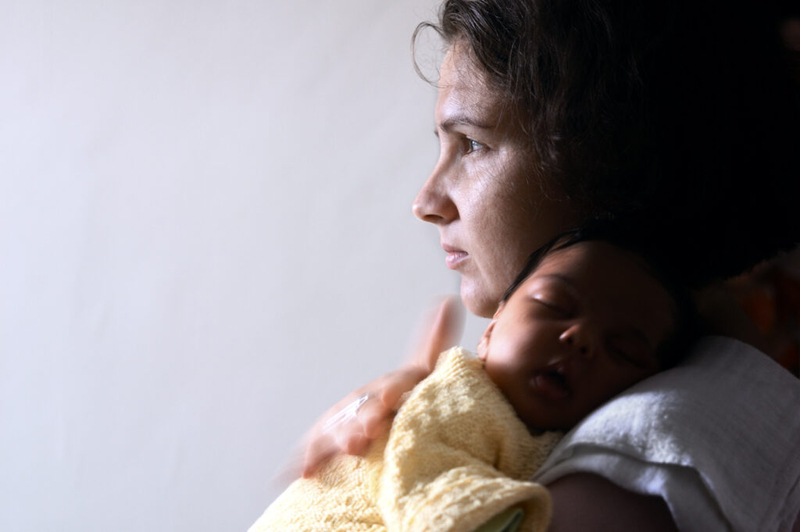
American Civil Liberties Union of New Mexico and two Democratic state lawmakers filed an emergency petition on May 18, 2026, requesting the state Supreme Court block a 2025 policy requiring state welfare officials to seek custody of drug-exposed infants. (Getty images)
The American Civil Liberties Union of New Mexico, along with two Democratic state lawmakers, filed an emergency petition this week urging the state Supreme Court to halt a child welfare directive requiring the removal of newborns exposed to alcohol or drugs.
The directive stems from a July 7, 2025, order directing Children, Youth and Families Department staff to seek immediate custody of newborns with diagnosis of fetal alcohol syndrome or substance-exposure with “no exceptions.”
The May 18 emergency petition argues that the order violates state laws already on the books and “invades the fundamental liberty interest of parents to the care and custody of their children.” Additionally, the directive fails to set standards for an individual investigation into the child’s safety; or consider any medical context, such as the mother using opioid-replacement drugs.
The petition cited a December letter signed by more than 70 New Mexico providers saying that pregnant women may forgo prenatal care or treatment due to concerns of losing their children and called the directive “dangerous.”
Rep. Micaela Lara Cadena (D-Las Cruces), who joined Sen. Linda López (D-Albuquerque) in filing the petition, told Source NM the policy is “patently unlawful.”
“We have a state-sanctioned policy, when we are removing kids without an individualized finding, not based on what’s happening in their particular family, in their particular pregnancy, their circumstances, just a blanket policy that says, ‘if there was exposure in this pregnancy, we are automatically taking your child at birth,’” Lara Cadena said. “So for me, that’s a dangerous precedent; among other things, it’s going to push people further into the shadows.”
Lara Cadena and López also said the order violates the Legislature’s authority. Lawmakers previously passed, and Gov. Michelle Lujan Grisham signed, the 2019 Comprehensive Addiction and Recovery Act, which refers families of drug-addicted newborns to voluntary support and treatment services. In 2025, legislators passed Senate Bill 42 in a near-unanimous vote to address the “substantive gaps” in the 2019 legislation. Changes include moving administration and oversight out of CYFD and into the Health Care Authority.
That law is set to go into effect July 1.
“People have substance abuse issues with alcohol or some of the other drugs that are out there, but to remove an infant and cause more trauma at that point in time, is not what New Mexico should be doing,” López told Source NM. “The governor essentially overstepped the Legislature, because we have a bill, with processes laid out on how to work with families.”
Lujan Grisham and CYFD defended the practice, with officials saying that since the order has been in place, no drug-exposed infants have died.
Michael Coleman, the governor’s director of communications, told Source NM in a statement that Lujan Grisham “stands firm in her conviction that protecting newborns from being discharged into dangerous environments is the right thing to do — and she is confident that this lawful directive is saving lives.”
Coleman went on to say that law enforcement, in addition to CYFD, determine the risks of sending the babies home or requesting judicial intervention.
Since July 2025, 213 infants have been reported to state welfare services, according to CYFD Communications Director Jake Thompson. Of those children, district court judges awarded custody to CYFD 127 times, denying five cases. All 127 children are placed in licensed foster homes, with 60% staying with relatives, Thompson said.
For the 81 children not staying with relatives, 30 are in the court process of getting a relative to be their guardians; 29 are in supervised homes with non-offending relatives; 13 infants remain hospitalized; and Tribal governments invoked jurisdiction for nine infants.
Thompson said the department is “keeping a pathway open” to engage with services and substance treatment.
“The directive is working as intended and is keeping babies alive. Before the directive, too many substance-exposed newborn babies were dying, and others struggled to live,” Thompson said.
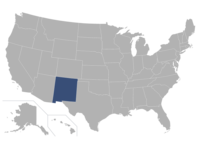
Santa Fe, NM