Abiqua Falls is one step closer to becoming public land after $2 million sale approved
Sep 24, 2026 | 6:50 pm ET
Description
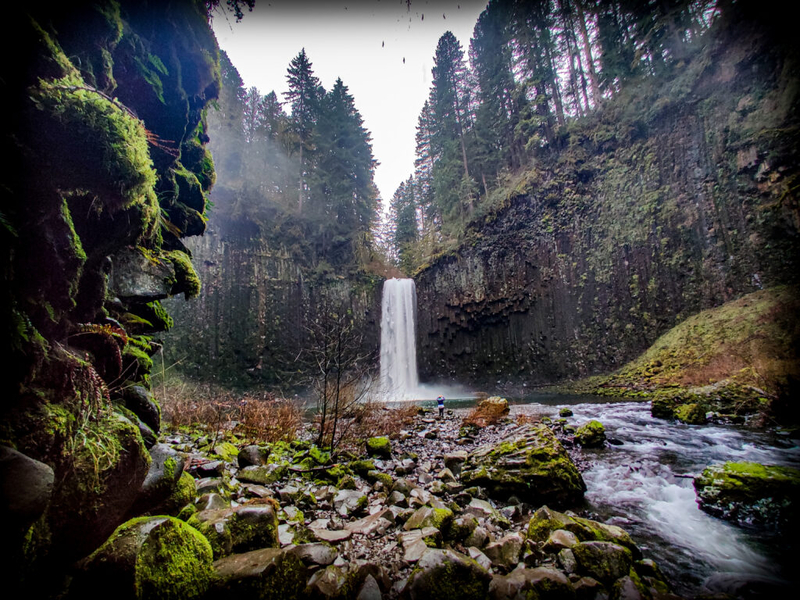
The state of Oregon is seeking to acquire Abiqua Falls to ensure public access. (Photo by Eric Badeau/Getty Images)
A popular 92-foot waterfall formerly at risk of being closed to the public is closer to becoming a new state recreation area after the Oregon Parks and Recreation Commission signed off on buying two Marion County properties.
Visitors have been able to visit the privately owned Abiqua Falls, about 40 minutes southeast of Silverton, for more than a century under the stewardship of the Abbey Foundation, a supporting organization of Mount Angel Abbey and Seminary. The 0.8-mile roundtrip trek to the falls is short, but trail users describe it as steep and often muddy, requiring the help of ropes tied to trees along the trail.
Oregon lawmakers quickly stepped in after the foundation listed the property for sale in February, proposing a $2.1 million deal to purchase the property using general obligation bonds.
On Wednesday, the commission officially approved that purchase, approving the $600,000 purchase of the 40-acre Abiqua Falls property as well as the 160-acre property surrounding it. Weyerhaeuser Timber Holdings owns the surrounding property, known as Abiqua Rapids, and will sell it to the state for $1.4 million under the agreement that it maintains mineral rights.
The public currently uses the road traveling through the Abiqua Rapids property to access the trailhead leading to the waterfall. The forested property includes trails that offer access to smaller waterfalls and a creek popular among hikers, kayakers and fishermen.
The Oregon Parks and Recreation Department is working with Marion County and the Department of Forestry to plan what the property will look like in terms of public access and safety, as well as what it will cost to develop and operate. It will present a proposal to the commission at its next meeting in November.
The sale is expected to close in December.
Commission chair Elizabeth Hill thanked the agency and its partners for their work while acknowledging the funding challenges ahead.
“Having a shortfall of funding and having to take on this property is a big lift,” Hill said ahead of the vote. “It’s nice that the Legislature provided funding to help purchase it, but the ongoing operations and making this even anywhere near a remote, safe place for the public is a daunting task.”
The parks and recreation department late last year implemented new fees at several popular state parks to help address a 14% budget gap. The agency relied on lottery funds for nearly half of its budget in the 2025-27 budget cycle while user fees, such as parking fees, overnight camping costs and RV hook ups, made up more than a third of its budget.
In the 2027-29 budget cycle, revenue from user fees are expected to grow and make up nearly half of the agency’s budget, agency chief financial officer Sarah Head told the commission.
Salem, OR