5th District candidates stress rural healthcare investment, Medicaid access
Sep 14, 2026 | 5:00 am ET
Description
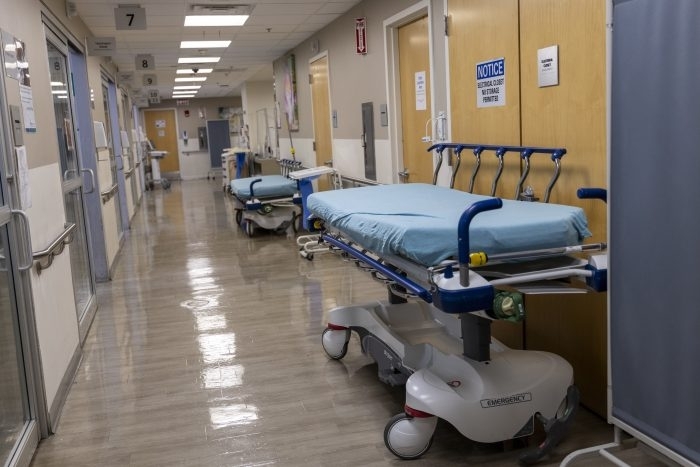
Voters will help choose a new member of Congress in Louisiana's 5th Congressional District primary on Nov. 3, 2026. All five major candidates in the race said rural healthcare access will be a focus for them if elected. (Photo by Anne-Marie Caruso/New Jersey Monitor)
Rising healthcare costs remain a top issue for voters ahead of the Nov. 3 election, according to national polls, with candidates in both parties stressing the need to make access to doctors and prescription drugs more affordable.
All five of the major candidates vying to replace U.S. Rep. Julie Letlow in Louisiana’s 5th Congressional District said they would focus on shoring up rural healthcare providers if elected.
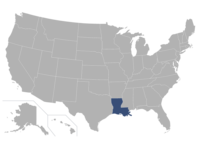
The 5th District is centered around Northeast Louisiana and the most rural of Louisiana’s six U.S. House seats.
Four of the major candidates running are state legislators, and a fifth is chair of the Louisiana Board of Regents, which oversees higher education.
“Let’s celebrate the fact that Louisiana is the only state in the country that has not shut down a rural hospital in the last 10 years. It is the envy of the rest of the country,” said state Sen. Stewart Cathey, R-Monroe, one of six Republicans in the race.
Cathey said preserving robust access to healthcare in rural areas has to be a top priority because business leaders only want to invest in communities that have it.
“If you don’t have a functioning healthcare system or rural hospital, you are never going to recruit any industry,” he said.
When it came to healthcare priorities, all four major GOP candidates also said they would make lowering prescription drug prices a priority if elected. Three of them — Cathey, Board of Regents Chair Misti Cordell and State Rep. Mike Echols — want to scrutinize pharmacy benefit managers more closely.
Echols, of Monroe, has been one of the leaders in the state legislature’s fight to more tightly regulate pharmacy benefits managers, which serve as a middlemen in drug price negotiations involving pharmaceutical companies, health insurers and pharmacies.
Echols has alleged pharmacy benefits managers are unfairly driving up the cost of prescription medications. Earlier this year, he proposed a prohibition on banning retail pharmacy chains, such as CVS, from also owning pharmacy benefits operations, but the legislation failed to pass.
If elected, Echols said he would push for a national electronic health records system that providers could access across healthcare systems. The centralized approach would ensure better care for patients and avoid testing redundancy, he said..
“There would be more efficiency and patients would have to access care faster,” Echols said.
Cordell, also from Monroe, said government payments, such as those made through the federal Medicaid and Medicare programs, should be more closely tied to quality measures for hospitals and other care providers. Facilities with better outcomes, such as lower infection and readmission rates, should receive higher reimbursement rates, she said.
The federal government needs to provide more financial support — through higher Medicaid and Medicare payments — to independent physicians not employed by a larger hospital system, Cordell said. These unaffiliated providers are more likely to operate in rural areas, she added.
Cathey, Echols and state Rep. Gabe Firment, R-Pollock, all said they support new work requirements coming online for Medicaid recipients in January.
In 2025, President Donald Trump and Congress enacted new restrictions on the Medicaid program that will require many enrollees to earn at least $580 per month to complete at least 80 per month of volunteer work or school in order to access the government-provided healthcare benefits.
Firment said while he strongly supports the work requirements, Congress also has to make sure people who can’t work — such as pregnant women, children and people with disabilities — continue to have access to Medicaid.
“Work requirements should include appropriate exemptions and be implemented efficiently so eligible individuals do not lose coverage because of unnecessary paperwork and administrative errors,” Firment wrote in a text message.
Monroe state Rep. Pat Moore, the most notable of three Democrats in the race, said she would focus on better outreach to individuals about the information they need to submit to retain their Medicaid status.
“We need to make sure to educate people that are receiving those benefits and making sure that they don’t lose those services,” Moore said.
Baton Rouge, LA