100 Autopsies: Meth Deaths Spiking 40 Years After Ice Seized Hawaiʻi
Aug 25, 2026 | 6:01 am ET
Description
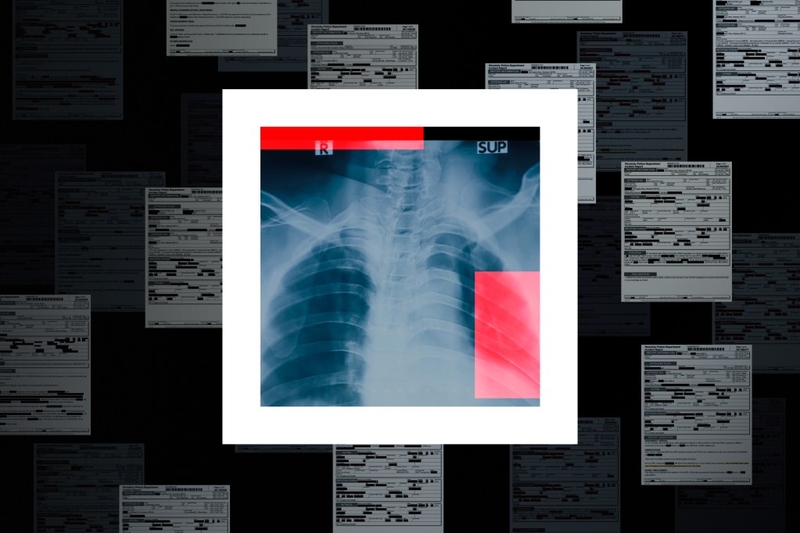
Photo courtesy of Honolulu Civil Beat
This is the first part in an ongoing series exploring Hawaiʻi’s methamphetamine crisis.
First responders to a 911 call in Kalihi found a man lying on his wooden bedroom floor in the early morning sunlight between his twin bed and a filing cabinet.
The EMTs noticed he was clutching something in his left hand. One of them pried it open and found a glass pipe with burnt black and white residue inside — crystal methamphetamine. Ice.
Emerson Butay had admitted to doctors over the years that he smoked the drug. Given various maladies of his heart, his continued use was putting his life at risk. Yet he refused to relinquish his meth pipe, right up to the end.
Butay didn’t respond to CPR and died that day in May at the age of 47, a quiet passing that drew no public attention.
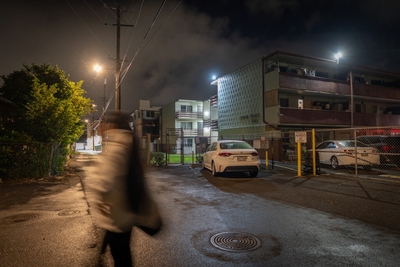
His death was one of 100 on Oʻahu linked directly to methamphetamine over 10 months spanning 2024 and 2025 for which Civil Beat obtained autopsies, then pieced together what happened through police reports, social media, obituaries, court records, interviews and other sources.
Many of their deaths were preceded by sharp downward descents. Doctors warned them to stop using or die. Relatives and neighbors went to court to keep them at bay. Some died under the radar, with no one realizing they were smoking meth at all.
Mapping their deaths scatters dots over every part of the island, underscoring Hawaiʻi's status as the place where smokable meth first arrived in the U.S. in the 1980s and as the only state where the drug to this day kills far more people than opioids.
About a quarter of them were homeless, their bodies found in tents in public parks or splayed on sidewalks. Others managed to hold onto responsible, highly paid jobs and owned homes. The typical victim was a middle-aged man like Butay, reflecting the time it takes for meth to ravage the body, with Native Hawaiians represented disproportionately.
The ubiquity of meth is a testament to its appeal. The drug gives users a feeling of boundless energy. It sharpens their senses. Many report that, at least at first, it enhances their sex drives, too.
Long-term use often turns darker, to psychosis and paranoia – the feeling that everyone is talking about you, or that bugs are crawling just under your skin. Blood pressure and heart rate speed up, damaging organs and causing overheating – a particular torment in Hawaiʻi’s year-round warmth.
The high depends on meth triggering the release of astronomical levels of the neurotransmitter dopamine, which generates pleasure. Chronic use depletes the supply of dopamine, and quitting can lead to a long period of anhedonia, the inability to find pleasure in everyday life, making it daunting for users to quit.
Butay’s inability to let go of his life-threatening habit could stand in for Hawaiʻi’s four-decade fixation on a drug now killing people at unprecedented rates – and the inability of authorities to stem the tide of death.
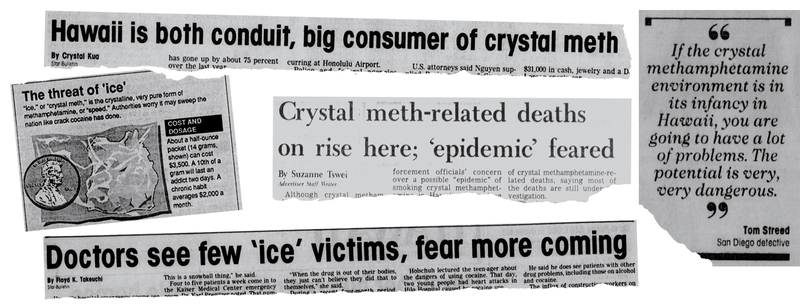
Ice made its U.S. landfall in Hawaiʻi in the late 1980s, setting off a national panic that the new smokable, potent form of meth would make its way to the continent and could ravage communities already reeling from the crack cocaine surge
More than a decade into the epidemic in the early 2000s, Hawaiʻi’s meth problem became the urgent focus of public policy debates. In 2004, Congress held a hearing specifically about how to eradicate a drug that had “poisoned paradise.”
| Have you or a loved one been affected by meth? Share your story. |
“At some point, the jury is going to come in and it’s going to be our turn to report back to the rest of the country how we did,” Hawaiʻi Rep. Ed Case said at the hearing.
That same year, the Hawaiʻi Legislature considered 19 bills with the word “methamphetamine” in the title or summary.
Only two passed. Then the furor died down and meth became part of the fabric of life in Hawaiʻi. For four years, from 2011 through 2014, the Legislature did not consider a single bill that mentioned meth in its title or summary, and in the 12 years since has averaged about one a year
Attention turned instead to a new drug ravaging communities across the mainland: opioids. Hawaiʻi, like all the other states, started receiving large federal grants to deal with opioid overdoses and addiction. It also got $150 million to spend through 2038 from a national settlement with pharmaceutical companies that profited from the opioid epidemic – 85% of which must be spent only on addiction to those drugs.
And so, even though Hawaiʻi has consistently been at or near the bottom among the states for opioid overdose deaths, it developed a host of new programs targeting opioids.
Meth, meanwhile, kept right on killing.
Unknown Toll Beyond The Statistics
In 2021, methamphetamine overdoses claimed the lives of 184 Hawaiʻi residents, according to the Centers for Disease Control and Prevention.
Within three years, that number shot up by almost 50%, to 275 — a rate double the nation’s as a whole. By comparison, meth overdoses claimed more than twice as many people as opioids in Hawaiʻi that year, almost three times as many as traffic accidents. It was nearly triple the death toll from the Lahaina fire the year before, too.
Overdose numbers don’t capture the true devastation either. Medical examiners only attribute a death to meth if a blood test detects the drug in quantities high enough to be lethal.
That means people with hearts ravaged by years of meth use who did not smoke shortly before their deaths don’t get counted.
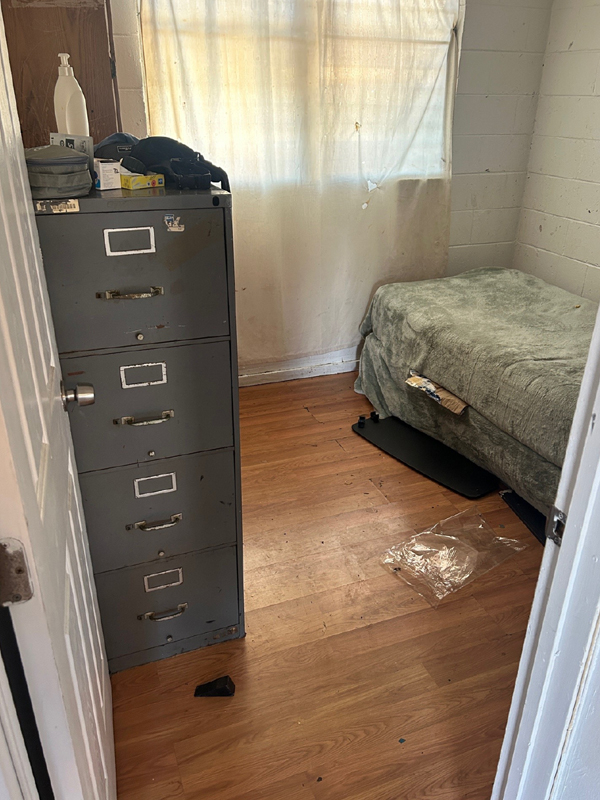
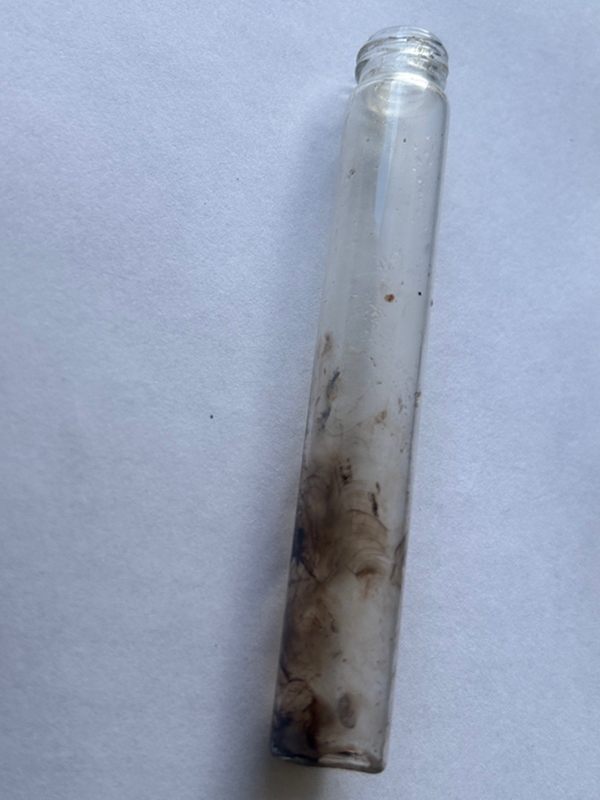
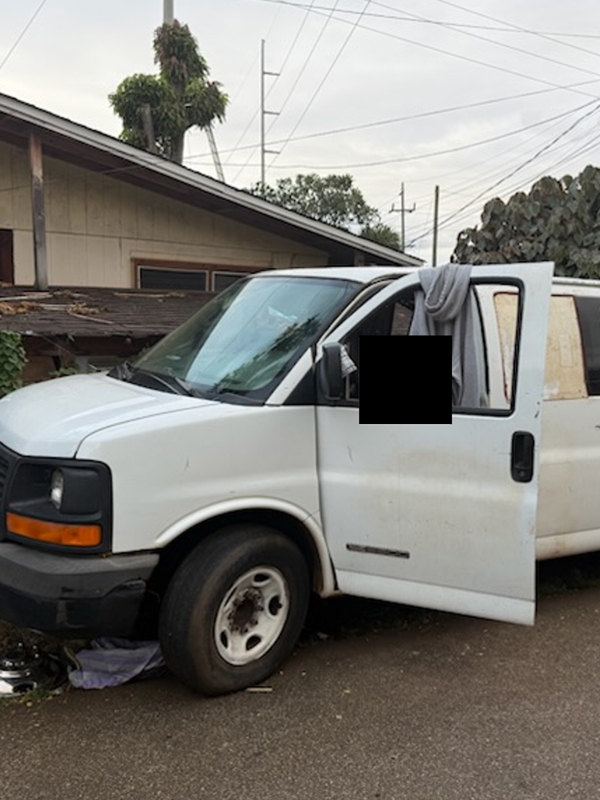
The room where Emerson Butay died and the pipe he was clutching when he was found. Eddie Vergara was sitting in his van when he died. (Source: Honolulu Police Department reports)
No one knows what that larger number might be. Many meth users have a characteristic enlargement of the heart called dilated cardiomyopathy from their heart muscle working too hard when they’re high, known in medical circles by its initials, DCM.
A 2024 study found that hospitalizations for meth-related DCM shot up fivefold in just 13 years in the Western U.S., including Hawaiʻi. In the Northeast where meth use is far less common, by contrast, its toll barely changed. The following year another study – of DCM in general, not just that caused by meth – found that Hawaiʻi had the highest rate of DCM in the nation.
Damage to the body and psyche takes years. During that time the meth user often interacts with courts, emergency rooms, hospitals and drug treatment programs. It’s a vast expenditure of public resources that all too often fails.
Meth fatalities tend to occur in a thorny nexus of other ills such as mental illness and homelessness – and most of all, the question of what to do about people clearly on a dire path who refuse to accept help.
One Honolulu emergency room doctor says that as many as 1 in 5 of his patients are there because they’ve been using meth. Six out of 10 people admitted to publicly funded drug treatment in Hawaiʻi list meth as their primary drug problem.
The drug known for giving users an almost superhuman feeling of energy, keeping them awake for days at a time, soon leads to extremely erratic behavior. Relatives seek restraining orders, and judges hear about truly alarming actions. But the ensuing attention, in many cases, fails to change the course of a life spinning out of control.
One woman reported to a judge that her brother, Eddie Vergara, was waving around a big knife, threatening to kill everyone, shouting and cursing. Another of Vergara’s sisters had told a different judge the year before that “for the past several years – possibly since 2017 – he has been using some type of drugs … Half the time what he says does not make sense. He looks scary and dangerous.”
The judge issued a 20-year restraining order and Vergara, 57, who suffered from dilated cardiomyopathy from meth use, had to move out of his sister’s house.
He started living in his van in Kalihi.
One evening in January 2025, he was found dead in the driver’s seat, his sweatshirt hanging from the door and his red Crocs on the floor – along with some playing cards, as if he had been in the middle of a game of solitaire. The cupholder cradled a glass pipe and a baggie of meth.
His was the 38th of the 100 deaths examined by Civil Beat.
'It's Very Lonely'
The first, on Oct. 19, 2024, was a 42-year-old woman found unresponsive in her tent at a homeless encampment. In the last, on July 11, 2025, a 50-year-old pool attendant at a Waikīkī hotel with a history of heart problems was discovered dead by his roommate, a "crystalline substance" nearby.
Those 100 people came from every corner of Oʻahu. Despite a common perception that meth invariably leads to mayhem and violence, only 2 in 10 had serious criminal records.
Whatever their pasts, most left behind loved ones devastated by the loss and sometimes struggling financially because of it.
“It’s very lonely,” said Rhonda Valera, who lost her partner John Nobriga, known as “Smallman,” in February 2025.
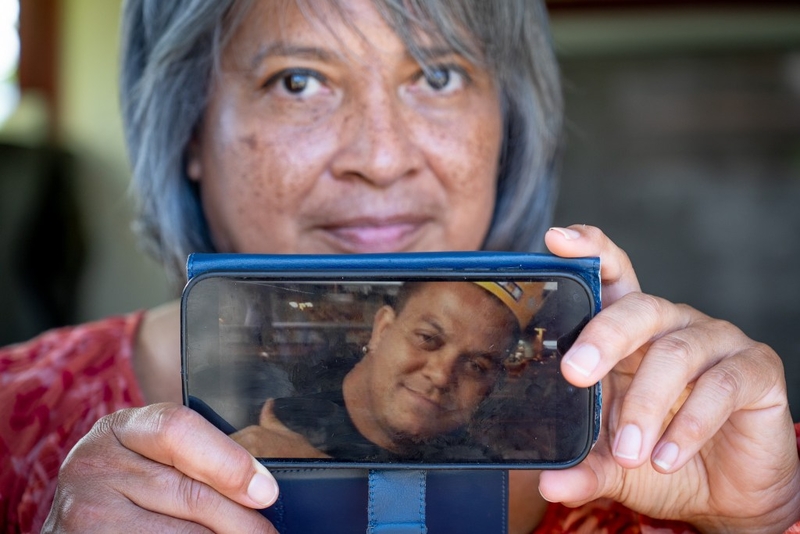
Nobriga, 55, with a long criminal history and an enduring meth habit, had been diagnosed with congestive heart failure a short time earlier. On the day he died, he was helping Valera’s brother move into a new place. After carrying a heavy dresser full of clothes, he kept telling Valera, “Baby, I cannot breathe.” Within half an hour, he was dead. The cause was determined to be meth.
Valera herself had been a meth user – in fact, they had met as dealers in adjacent territories on the Big Island – but after Nobriga was severely burned in an accident and had to be medevaced to Oʻahu, she spent most of her days at the hospital and got sober.
Now, she works all the time, in part to make up for the loss of Smallman’s income as a mover, but that’s not the main reason.
“I don’t want to not work,” she said. “Then I have to deal with the emotions.”
Meth use is rife among homeless people, and the autopsies bear this out: 1 in 4 were homeless when they died, their bodies often found in their tents in public places.
In many cases, meth and the behavior it triggers was what landed them on the street, not the other way around. But homeless people also have reasons to start using meth once they're on the streets: It helps them stay vigilant through the night.
And most of those who died did have homes. Among them were people who had held demanding, well-paid jobs: the Honolulu head supervisory port engineer for Matson shipping, for instance, a planner with a six-figure salary for the state Department of Business, Economic Development & Tourism and an airline mechanic.
One, after he died, had a baseball park named for him in recognition of his tireless volunteer work there.
Treating meth addiction is notoriously difficult, with no replacement medications like the methadone or buprenorphine used for opioid users. Often, patients are dealing with mental illnesses — either a cause of their meth use or the result of it — that must also be treated.
To succeed, chronic users must often separate themselves from social networks centered on meth. But as the saying goes in Hawaiʻi, “small island.” The combination of geographic isolation and deeply rooted personal connections can make separation extremely challenging.
Thomas Manijo, 62, learned in 2017 that he had congestive heart failure from meth use, according to his ex-wife Kēhau Manijo.
He did manage to quit for a while. “He told me he got freaking lonely,” Kēhau said. “People stopped coming around.” And so he went back to smoking meth until it finally killed him.
For all these reasons, those who find treatment often don’t find lasting sobriety.

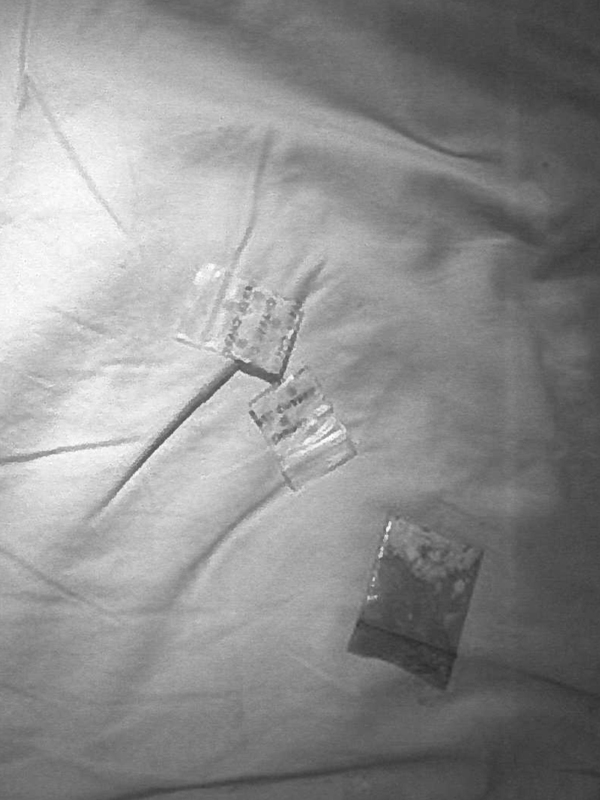
Chanel Louie was found dead in her Kāhala home the morning she was scheduled to graduate from a drug treatment program. Police found packets of drugs on her bed. (Craig Fujii/Honolulu Civil Beat/2026; photo of Chanel courtesy of Linda Louie/ HPD report)
The majority of people admitted to publicly funded drug treatment list meth as their primary drug. The state does not track outcomes by the type of drug, but overall, fewer than 1 in 3 complete treatment with no drug use.
Chanel Louie, a 31-year-old graduate of UCLA fluent in Japanese, was scheduled to graduate from her drug treatment program the day she was found dead in her bedroom in her mother’s Kāhala home from a lethal combination of meth and fentanyl.
The body of Lily Shoaf, 54, was found at the bottom of a concrete well known among meth users as “The Bunker,” overlooking the H1 on School Street.
Just that day, she had been accepted into a drug treatment program, the most recent of many she had been through.
A judge had told Carrie Newhouse, facing a felony drug charge, that he would not release her from jail unless it was to a structured environment with drug treatment. Several weeks later, her lawyer persuaded the judge to let her out over the objection of a prosecutor, promising that she would comply with regular check-ins.
She did get sober for 20 days. But a little more than a month after her release, she was found unconscious in a Chinatown park. Five days later, she died.
Various Paths All Leading To Death
The road to a meth overdose winds for years, but often ends in a few weeks or months of medical, legal or personal crisis. Those who see where the user is headed find themselves unable to stop them.
Several victims in Civil Beat’s 100-person database were in court weeks before their deaths, often because of their meth-induced conduct.
At least 1 in 5 had been the targets of restraining orders at some point, frequently when their behavior became so outrageous that a relative or neighbor went to court to force them to stay away.
Perry Dones got a temporary restraining order against his partner, Aemarie Bracks, knowing she would violate it, he told Civil Beat.
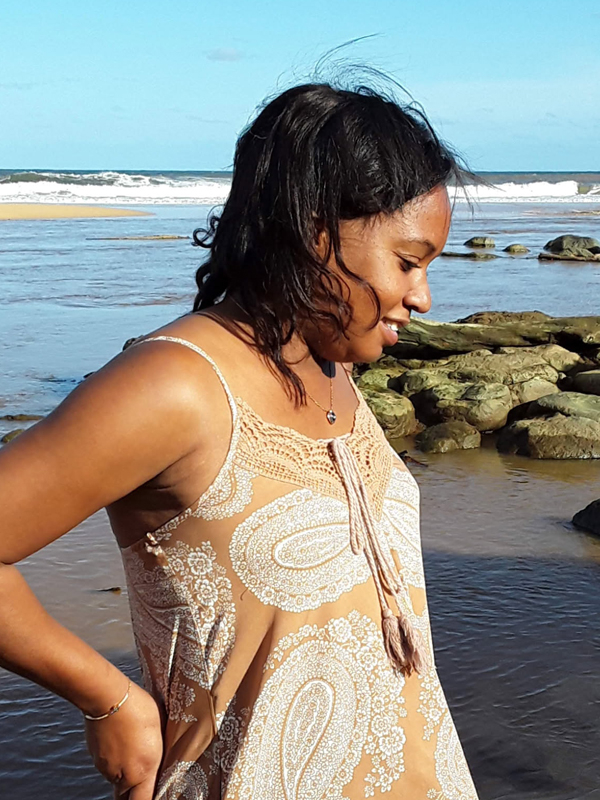
If she did, he reasoned, he could get her arrested. Maybe a judge would force her into the treatment she so desperately needed, not just for meth but alcohol, cocaine and opioids. Unlike earlier generations, younger users increasingly combine meth with other drugs.
Bracks, 39, a Northern California native with a master’s degree in mental health counseling from Chaminade University, seemed intent on having one last blowout before going to rehab. One motivation for getting sober was that she wanted to have a baby.
As predicted, she did violate the restraining order by coming to Dones’ apartment. Afterward, Dones said he pointed her out to Honolulu police, across the street at a store in Chinatown, and explained the situation.
But the officers wouldn’t arrest her, he said. A few hours later, she was dead.
“I believe she’d be alive today” if police had acted, Dones said.
Sometimes the final descent takes years.
Isaiah Edayan, 37, had no criminal record when his domestic partner of 18 years and mother of his children went to court in 2023 to get a restraining order, detailing his bizarre behavior.
Hawai’i CARES 988 offer free, 24/7 support services for help with crisis, mental health and substance use, including meth. For Hawaii CARES SUD, here are the numbers that anyone can call: (808) 832-3100 or toll free (800) 753-6879.
The partner, Kekepania Apuakehau, said that Edayan came back from the beach one day in her truck and started to destroy it, slashing the tires and disconnecting the engine wires. She said she called the police but they removed her instead because he was unwilling to leave.
That same month, he threatened to burn down the Haleʻiwa restaurant where she worked, according to her petition. He told her he was going to beat up one of her coworkers because he thought they were having an affair, the kind of paranoid delusion that can be caused by meth. Edayan confronted the man in the restaurant parking lot but stopped short of assaulting him.
A couple weeks later, Apuakehau was sitting on her truck to keep Edayan from taking it when he jumped in anyway, driving it forward and then backing it into a rock wall. She ended up scratched and bruised.
The judge granted a one-year restraining order and barred Edayan from their Mililani home.
Edayan already suffered from dilated cardiomyopathy from chronic meth use despite his relative youth. A year-and-a-half after being ordered from his home, he was living in his vehicle.
One morning, after smoking meth the night before, he became short of breath and called 911. Later that day, he collapsed while trying to get out of his hospital bed and never regained consciousness.
Dying In Plain Sight
Anthony Lewis was living on a mattress in a drainage tunnel near the Walmart in Kapolei when he invited a friend to smoke meth with him. She declined, and when she got back to the campsite, Lewis appeared to be sleeping.
Only the next day did she realize he wasn’t responding and found a park worker who could call 911.
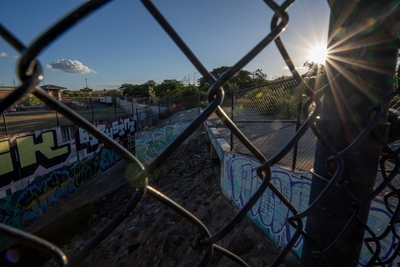
When the website Stolen Stuff Hawaiʻi posted an item about the discovery of his body, one woman commented that she and her daughter had recently seen a man walking around that spot looking “very sick.”
Another commenter, Lisa Rich, asked if the man was Black. Rich, in Maryland, had seen the post and worried that the dead man might be her brother.
It was.
According to his obituary, Lewis as a teenager had become so good at martial arts that he started teaching classes. He loved to cook. He was a Marine Corps veteran who’d lived in Hawaiʻi for decades.
In 2023, he returned to Maryland, where he’d grown up as part of a large extended family on the eastern shore of Chesapeake Bay, and sought drug treatment. Soon he was back in Hawaiʻi, using the meth that would kill him.
Like Lewis, some of the 100 meth users spent their last days suffering in plain sight, only to nonetheless die alone.
Chau Luong, 68, was lying on a sidewalk in Chinatown at about 1 a.m. one night when a passing couple heard him moaning. The man gave him some water and they left.
A few hours later Luong was found dead, a syringe, torch lighter and baggies of drugs nearby.
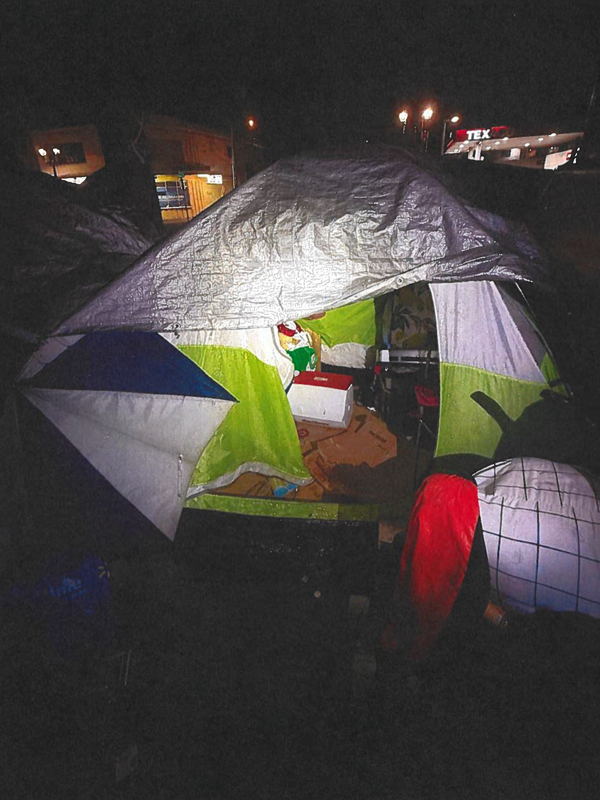
In the months leading up to his death, Luong had been cited for camping in public parks. He got one citation three weeks before he died for having a shopping cart in Ala Moana Beach Park. “Luong was respectful and cooperative,” the officer wrote.
Ellen Botelho, 65, was living in a tent on North King Street in Kalihi, with a floor made of broken-down cardboard boxes, when someone at the encampment shouted that she was “down.”
A tent neighbor, thinking she had taken opioids, gave her two doses of Narcan. When she didn’t respond, he tried CPR. She died in the hospital 11 days later.
Botelho had lived for many years in rural areas of the Big Island. She moved to Oʻahu around 2014 and in recent years became homeless.
Police had issued her eight citations related to homelessness in less than two months before she died. On one of them the officer wrote, “Subject declined any assistance, outreach or resources offered.” The others did not mention any offers of help.
Big Earners, Community Volunteers
Deaths occurred in otherwise quiet homes in the course of everyday life. Sometimes, those who lived with the victims didn’t even know they were using meth.
Guy Yonamine, 65, was in his bedroom in Waipahu when a relative called for him to come to dinner. When he didn’t answer, she thought nothing of it because Yonamine was a heavy sleeper.
She went to check on him again in the middle of the night and found him cold to the touch.
She told police that Yonamine did not use alcohol or drugs. Yet an autopsy found a very high level of meth in his blood.
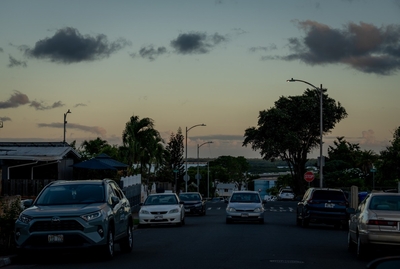
Many of the 100 appeared from their daily lives to be anything but down and out, holding down responsible jobs or contributing to their communities.
Christopher Woodard, 50, made $139,860 a year as chief planner for the state Department of Business, Economic Development and Tourism. Before that, he’d been the director of strategic planning and development at the University of Hawaiʻi with annual pay of $150,000.
But there were indications of financial stress. He declared bankruptcy in 2021, listing liabilities of $120,000. Among the few assets listed by Woodard, who’d lived several places on the mainland before moving to Hawaiʻi, were 150 classic rock and jazz vinyl albums and a chess set.
When he failed to show up at work for several days, a coworker called his apartment building managers near Chinatown to do a welfare check. After breaking the security latch, they found Woodard’s body in a sitting position on the floor leaning against a wall, a glass pipe in his lap and a lighter in his right hand.
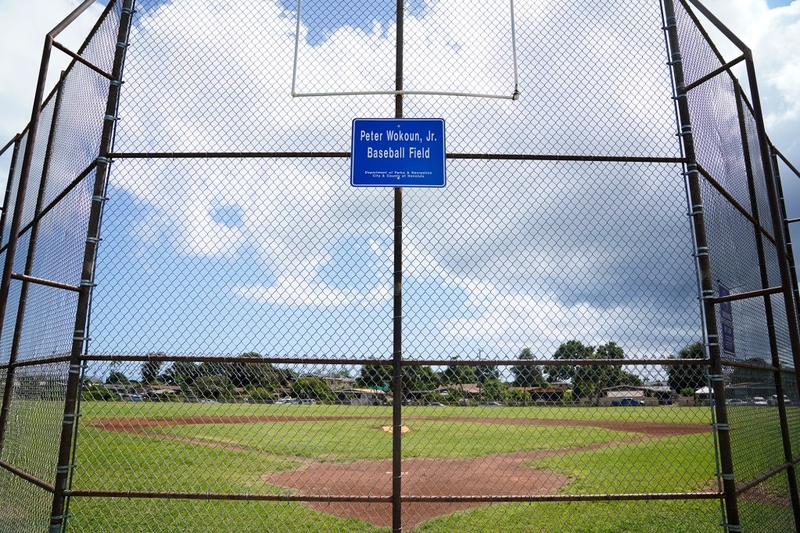
Peter Wokoun, 56, dedicated himself to caring for the baseball field in Puʻuloa Neighborhood Park, close to his ʻEwa Beach home. The Cleveland native prepared the diamond, watered the grass and locked the gate each night, as well as umpiring games.
He collapsed in the shower at 4:35 a.m. His family told police they thought he had been using drugs that morning. He died five weeks later, and the medical examiner found that meth and MDMA, also known as ecstasy, had contributed.
Seven months after that, in September, the Honolulu City Council renamed the baseball field for him. Sen. Kurt Favella wrote in support: “He led by example and showed our youth the importance of responsibility, respect, and how to care for our community.”
Doctors' Warnings Not Enough
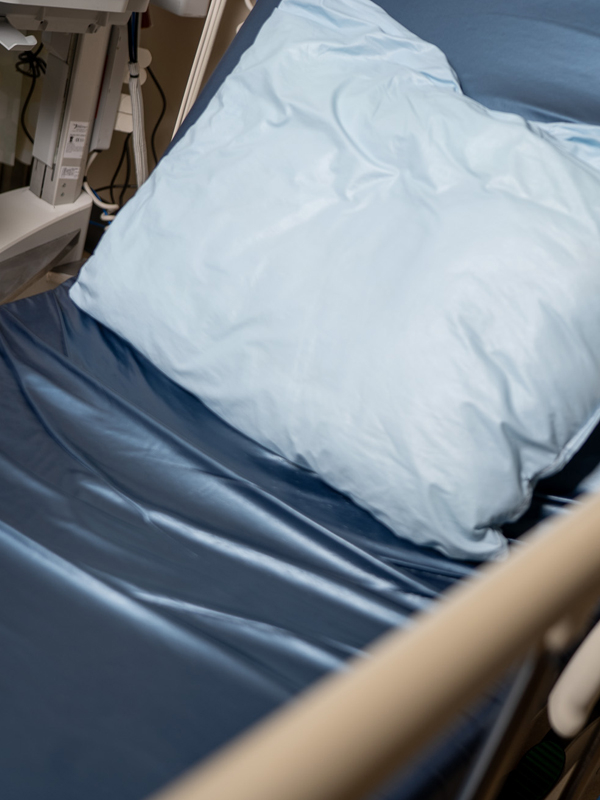

By the time meth users make it to the hospital emergency room, their hearts often are too far gone. (Craig Fujii/Civil Beat/2026)
In many of the cases reviewed by Civil Beat, the victims had disclosed to their doctors that they were using the drug. But for whatever reason, they didn’t get connected to treatment or failed at it, and kept using until it killed them.
A 2023 report by the Hawaiʻi Department of Health cited research showing that only a quarter of primary care offices do universal screenings for substance use disorders, and that even when they do, there is a lack of treatment programs to send them to, especially in rural areas.
Paul Poomaihealani, 52, had been showing up often at the emergency room with heart troubles in 2024. Over the years, he had told doctors that he used meth.
Admitted to the hospital in June, he entertained his roommate from California with his ukulele-playing, singing and joking, and shared his Zippy’s chili and rice porridge to supplement the meager hospital portions.
One day that December, a doctor told him that his heart was functioning at a fraction of normal. That night at home, after watching TV in bed with his partner, he told her he was in pain and going to sleep on the floor.
She woke up at 5 a.m. and found him dead. His autopsy showed he’d been using meth.
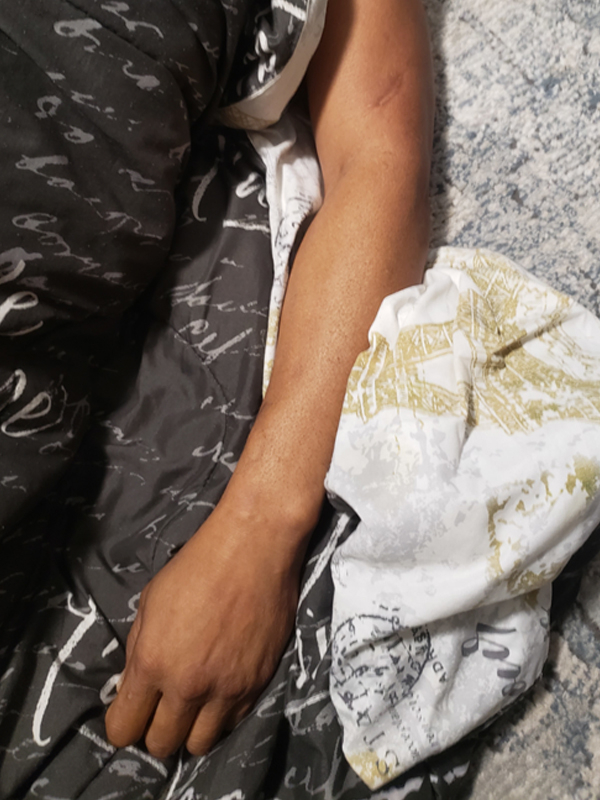
Kennies Rowe, Jr., 64, suffered from dilated cardiomyopathy like at least 30% of the people whose autopsies Civil Beat reviewed. He was checked into the hospital on Feb. 1, 2025, stayed for five days, and then checked himself out against medical advice.
He came back a few hours later, but left again. He went to his Kāneʻohe home where he drank a beer and used a drug whose identity is redacted in the police report, but based on the later toxicology report was likely meth. He died early the next morning.
“I remember him so well,” a former classmate posted on Facebook. “He was always so nice and respectful.”
Ronnie Jaralba, 51, was born and raised in the Philippines, where he would climb mango trees in the mountains with his siblings and sell frozen treats door-to-door, according to remembrances posted online by his son.
He moved to Oʻahu in 1990 and worked in his father’s auto shop. His son recalled how his fishing friends would call him “Da Lobster Man” for his talent for reeling in the spiny crustaceans at Waiʻanae Boat Harbor on the island’s leeward side.
He loved to perform songs by the BeeGees and the Filipino crooner Victor Wood at karaoke bars, and was always modifying his red 1984 Camaro for races at a quarter-mile track. At carnivals, he won prizes for shooting out a paper red star with a BB gun.
He was also schizophrenic. With meth, that cuts both ways so it’s hard to know which came first: Those struggling with mental illness may self-medicate with meth. And the drug itself may induce psychosis.
In 2014, Jaralba became homeless, setting up a tent on Sand Island Access Road near a BMX racetrack. And at some point, he developed a meth habit.
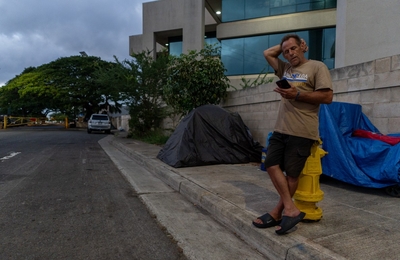
He dealt with homeless sweeps and the elements — his son had to remove a kiawe thorn from his scalp — but he enjoyed watching the sunset every night from outside his tent.
He needed a hernia operation, but could not stay sober for the three weeks required by the hospital.
In June 2024, a doctor told him his heart was functioning at only 20% and he had to take action or he would not make it to 2025.
He made it to the New Year, but just barely. Eight days later, his homeless neighbor noticed that he was not up early as usual to help clean up the encampment.
The neighbor checked and found Jaralba dead inside his tent. The cause, according to an autopsy: “Acute methamphetamine intoxication.”
‘I Just Want To Know U R Okay! Please!’
The deaths can take a financial toll on survivors. Many of the 100 who died were still managing to work and support their families. After their deaths, loved ones set up GoFundMe pages to raise money to bury them, or to help pay for college for a child, or assisted living for a spouse.
But the greatest blow, of course, is emotional.
Carrie Bitterman met Terrill Scott, a Marine veteran from Pittsburgh, when Scott was doing some plumbing work at a friend’s house about 20 years ago.
They would play cards or darts, share a few drinks. She felt that he understood her. But meth made him a different person, she said – withdrawn and sometimes violent.
She told Civil Beat she thinks one reason he used meth is that, as a plumber, he had to be on call 24 hours a day. And he was dedicated to making his plumbing business succeed.
In 2014, he was convicted in federal court of conspiracy to distribute a controlled substance and sentenced to a little more than seven years. After he’d done his time, he kept getting sent back for violating parole because he failed to show up for drug treatment or admitted he’d used meth.
At least when he was locked up, he turned back into the sweet, loving man Bitterman had first known.
In March 2025, the two were fighting again over money and tools she had lent him and his long, unexplained absences. But by the morning of March 28, they had made up again.
“I promise to give you all of the sweetest love you have given me,” Bitterman wrote in a text message.
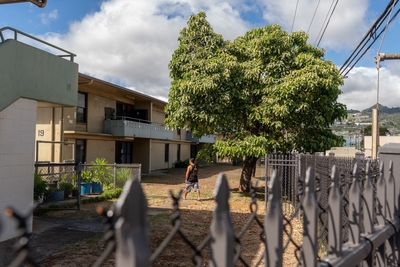
Later that day, however, Scott failed to give Bitterman a lift as promised and she berated him in several texts. What she didn’t know was that he had just been found lying face down on a sidewalk outside public housing in Kalihi, a broken glass pipe, a torch and bags of ice nearby.
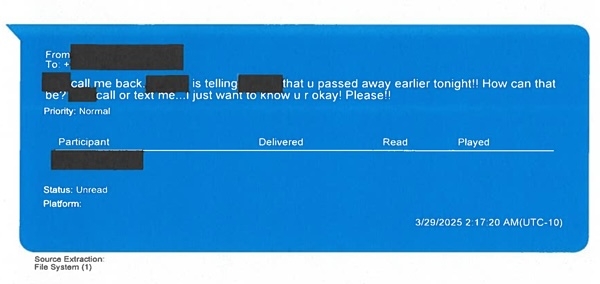
Bitterman found out what had happened when a friend called her. The friend had seen a post on the Facebook page of one of Scott’s employees saying that he had died. He called Bitterman but she couldn’t believe it.
“How can that be?” she texted Scott, hours after he had already been pronounced dead, becoming the 71st of the 100 deaths. “Call or text me … I just want to know u r okay! Please!!”
Can't see the form below? Answer here.
Honolulu, HI