Washington utility regulator weighs rising rates, clean energy mandates and grid reliability
Nov 28, 2026 | 10:00 am ET
Description
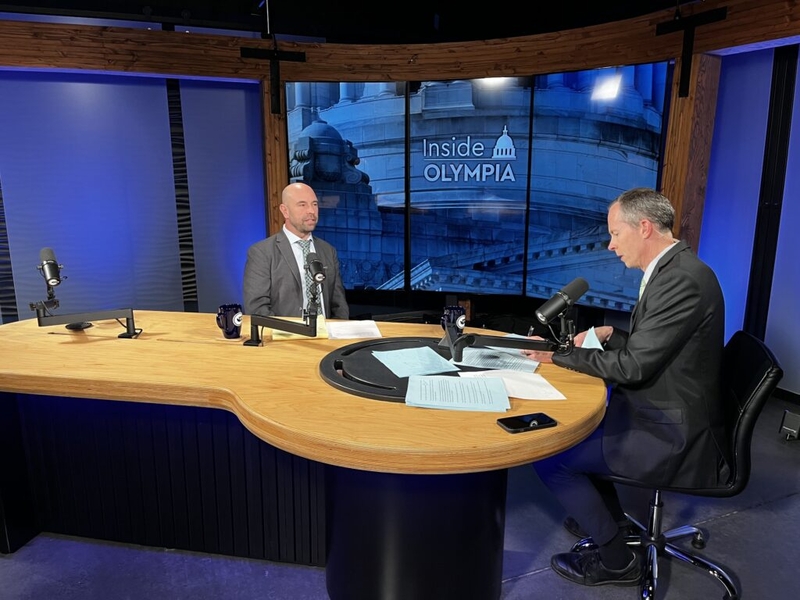
Utilities and Transportation Commission Chair Brian Rybarik speaks to Autin Jenkins on TVW's "Inside Olympia."
Washington’s top utility regulator says no investor-owned utility has petitioned the state for relief from provisions of the state’s clean energy law, even as regulators consider double-digit rate increases sought by two major utilities.
Utilities and Transportation Commission Chair Brian Rybarik said decisions on the Avista and Puget Sound Energy’s rate requests are due Dec. 15 and Jan. 27, respectively. He declined to discuss their merits, citing the commission’s quasi-judicial responsibilities.
Puget Sound Energy is seeking a nearly 30% cumulative electricity rate increase over three years, while Avista is requesting a nearly 27% increase over four years, with both utilities seeking double-digit increases in 2027. Those are requested overall rate increases, not approved rates or necessarily the increases individual residential customers would experience.
Speaking on TVW’s Inside Olympia, Rybarik told host Austin Jenkins that aging infrastructure, growing electricity demand, wildfire mitigation and the clean energy transition are factors driving up costs.
While both publicly owned and investor-owned electric utilities must meet state clean energy standards and have access to hydropower, Rybarik said publicly owned utilities benefit from preferential access to relatively inexpensive federal hydropower, giving them a more direct path to meeting the state’s clean energy mandates.
The commission oversees investor-owned utilities’ rates, infrastructure investments and the recovery of costs and distribution of benefits associated with the Climate Commitment Act.
Rybarik advocates maximizing existing grid capacity through energy efficiency, battery storage and demand management before approving costly expansions.
“Let’s really make sure we’ve done everything we can to utilize the grid we have,” Rybarik said.
A draft commission policy would require “large load” electricity users, including data centers, to cover additional infrastructure costs, improve demand forecasts, provide operational flexibility and engage with communities and tribes.
Rybarik favors making data centers pay for growth rather than imposing a development moratorium.
Heading into the 2027 legislative session, Rybarik wants lawmakers to expand energy assistance for low-income households. He cautioned that legislatively imposed limits on utility returns could compromise regulatory independence.
While supporting Washington’s ambitious clean energy goals, Rybarik said decisions about changing compliance deadlines ultimately rest with lawmakers.
Olympia, WA