Hospital system expands food aid, mobile health services in rural South Jersey
Nov 26, 2026 | 7:00 am ET
Description
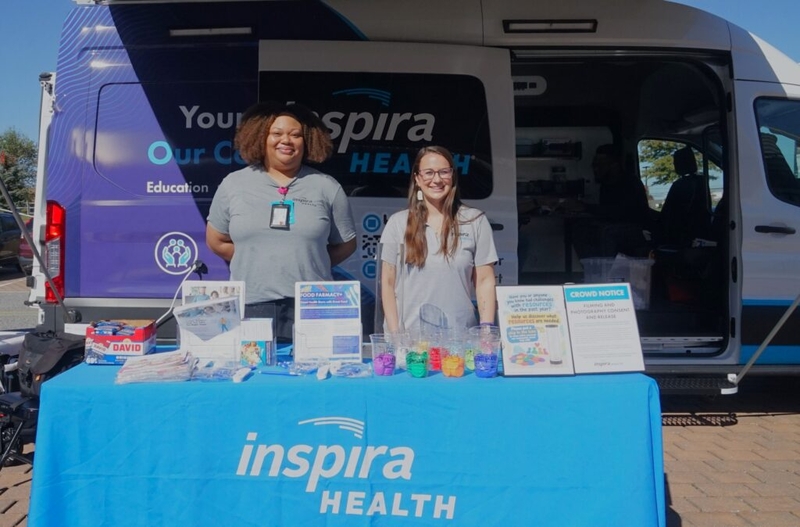
Inspira Health community health workers Whitney Robinson and Samantha Darnall are pictured outside the community resource van. The program launched in the summer to provide mobile health screenings and serve as a rolling food pantry. (Photo courtesy of Inspira Health)
A South Jersey hospital system is finding new ways to keep people healthy in a region where health outcomes lag the state at large.
Earlier this month, Inspira Health opened a food pantry at its Mannington hospital, its first such program in Salem County. Some 300 people have already received help through the site, according to senior vice president and chief strategy officer April Venable.
For Inspira, the goal is not just providing medical treatment, but reducing barriers to good health.
“People go to the doctor and tell them they have a ton of barriers that clinical care won’t solve,” Venable told the New Jersey Monitor.
Inspira already operated food pantries at hospitals in Cumberland and Gloucester counties, part of a program it launched in 2020. Patients who struggle to afford food can visit these sites to talk to a community health worker and take home fresh fruit, vegetables, and other healthy foods.
In the summer of 2026, Inspira also launched a van service that serves as a rolling food pantry and healthcare screening site, a spot for blood pressure checks or skin cancer screenings at farmers markets, college campuses, and community events.
Inspira is clear it can’t alone solve every problem for patients, who may also need help with housing, child care, or education, Venable said.
“But we do feel that we’re an important piece of the pie and we should have a process, so when we screen people for difficulties we have a process to hand off,” she said.
Inspira — which has hospitals in Elmer, Mannington, Mullica Hill, and Vineland, along with clinics throughout the region — said these programs were prompted by input the system received from residents as part of a multi-year community health assessment, which highlighted the depth of food insecurity in the region.
Inspira’s plan for a van that can be used for mobile food aid and other services makes sense to Triada Stampas, the CEO of Fulfill Inc., a food bank that supports pantries and soup kitchens in Monmouth and Ocean counties, feeding about 150,000 people each month. Demand at these sites has increased by one-third over last year, she said, and a survey of its users shows only half own a car.
“Putting the food where people are already going is one of the strongest options we have,” Stampas told the New Jersey Monitor.
She added that food insecurity is often a sign that families have other needs.
Fulfill also runs a mobile pantry, which Stampas said has been well received. Food bank operators are also exploring other options, like home delivery services and food lockers, refrigerated containers that people can access with a code to collect groceries, she said.
The goal is to provide free, healthy food choices in easily accessible places where people are already going, Stampas said.
“It’s cheaper to move food to people than it is to move people to food,” she said.
One in eight New Jerseyans faces hunger at times, according to national advocates Feeding America, including 1-in-6 children here. The federal food stamp program provides benefits to about 430,000 households, helping to feed roughly 860,000 people here, with benefits that average less than $200 a month, but reductions in federal funding are expected to shrink its reach in the coming years.
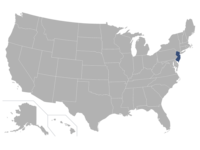
Trenton, NJ