About 14,000 teenagers, young people experience housing instability in Ohio’s most populous county
Description
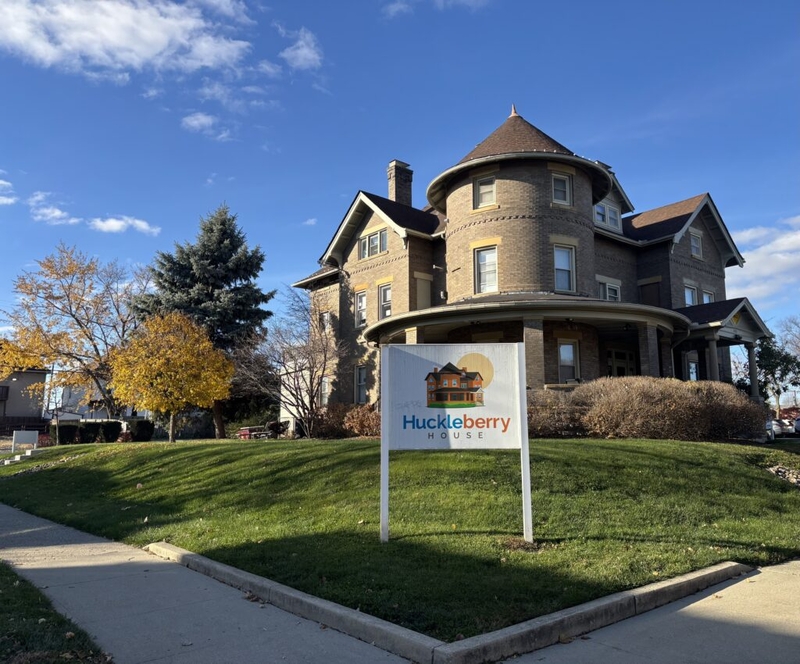
Huckleberry House is a homeless shelter for youth ages 12-17 in Columbus, Ohio. (Photo by Megan Henry, Ohio Capital Journal).
About 14,000 young people in Ohio’s most populous county do not know where they will sleep at night, according to a new report.
An estimated 13,940 young people ages 13-24 experience housing instability in Franklin County, according to the State of Youth report commissioned by the Youth Partners Coalition. Of that, an estimated 11,245 young adults ages 18-24 are experiencing homelessness.
“The sheer numbers of youth that are homeless always stands out to me,” said Huckleberry House CEO Jennifer Sharma.
Huckleberry House is a Columbus homeless shelter for youth ages 12-17 and offers a transitional housing program for 18-24 year olds. The shelter can accommodate up to 18 teenagers and the transitional housing program has 56 townhomes.
“Youth who are homeless tend to stay out of the public eye on purpose, and they’re couch surfing,” she said.
“They’re jumping from place to place, and even though some of those places might not be safe and secure, it’s not out on the street.”
In 2019, there were an estimated nearly 10,000 young people in Franklin County experiencing homelessness, said Ben Sears, vice president of community development and housing at Star House, a Columbus drop-in center for youth ages 14-24. Star House also has 62 units of permanent housing for young people ages 18-24 in a Columbus neighborhood.
“The increase to 14,000 really matched what we saw of the literal homelessness experience,” he said.
The number of students in Ohio who are experiencing homelessness has gone up in recent years, according to data from the Ohio Department of Education and Workforce.
- 2,270 students experiencing homelessness during the 2020-21 school year.
- 2,694 students experiencing homelessness during the 2021-22 school year.
- 2,815 students experiencing homelessness during the 2022-23 school year.
- 3,463 students experiencing homelessness during the 2023-24 school year.
- 4,204 students experiencing homelessness during the 2024-25 school year.
“If you disrupt somebody’s safe, stable housing, it then can lead to a disruption of their ability to do well in school,” Sears said.
“It impacts their ability to do well in school or at work because they’re overly stressed about losing their home and losing everything that they have.”
Many times when someone goes to Star House, they have been away from school for “a significant amount of time,” Sears said.
If someone at Star House is already attending school, Sears said they do everything they can to accommodate transportation so the student can stay in the school district they are currently attending.
“But oftentimes, what we’re doing is partnering with really good school-based programs in the community where we can make a referral, and that young person can continue on their pathway as best as possible,” he said.
When a student is experiencing homelessness “they might not have had food and might be hungry when they show up to school, or be tired, and all of that impedes the ability to learn,” Sharma said.
Huckleberry House works with students in their independent living program (ages 18-24) to get their high school diploma.
“That high school diploma has also been linked to lower recidivism in terms of homelessness as adults,” Sharma said.
“If we can get them through and have them graduate from high school, that’s going to decrease their likelihood of being homeless in the future as well.”
Someone without a high school diploma is 4.5 times more likely to experience homelessness than their peers who graduated high school, according to SchoolHouse Connection.
The path to housing instability can vary person to person.
“It could be as simple as their parents struggling to afford to live in their apartment or the home that they’re in,” Sears said.
“Sometimes this could look like disruption of family connection, where the adults that they’re living with are no longer able to care for them. Maybe there’s some trauma or abuse happening in the home. … Sometimes after many years of living in this crisis, a young person will become literally homeless, sleeping outside in a homeless encampment, in a car or on the streets.”
Follow Ohio Capital Journal Reporter Megan Henry on X, Bluesky, or Instagram.
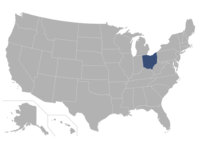
Columbus, OH