SC leaders plan to hike 100 miles to raise awareness of food insecurity
Nov 25, 2026 | 10:00 am ET
Description
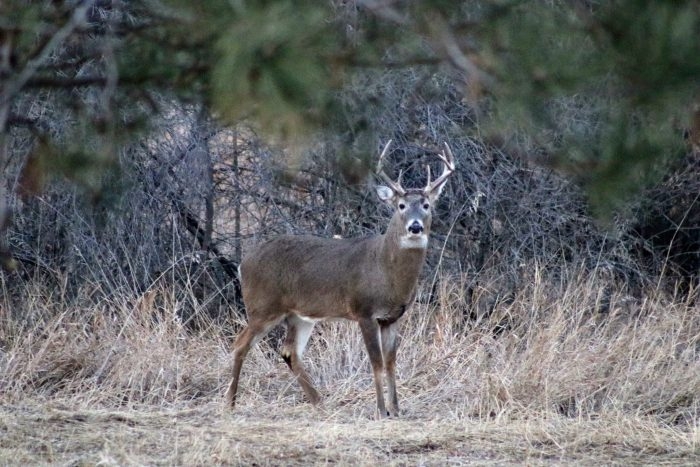
A partnership between the state Department of Natural Resources and nonprofit Hunters for the Hungry is meant to raise awareness of a program to fight food insecurity with donated venison. (Photo courtesy of Liz Julian/U.S. Fish and Wildlife Service)
State leaders will hike 100 miles over 10 days in an effort to raise awareness about food insecurity, according to the Department of Natural Resources.
The 100 Miles for the Hungry expedition will begin Jan. 8 and go through Orangeburg, Bamberg, Barnwell and Allendale counties, according to the agency.
The state agency is partnering with Hunters for the Hungry, a Spartanburg-based nonprofit that provides deer killed and donated by hunters to food banks, churches and other places where people might get free meals.
For 30 days, a nonprofit leads hikes and floats across SC. The goal is conservation.
The nonprofit pays the processing fees to turn the deer into venison before packaging and freezing it, executive director Rick Counts told the SC Daily Gazette.
Throughout the expedition, state leaders and members of Hunters for the Hungry will talk to local residents, businesses and churches about how to donate venison or volunteer to get food to people who might not have enough, Counts said.
The goal is to raise awareness of food insecurity, he said.
“This is a way to shine some light on the areas of the state that don’t get as much notoriety and press on what they need,” Counts said.
In 2023, roughly 14% of people in the state were food insecure, according to the most recent data from the Department of Public Health. Rural Allendale County has the highest rate of food insecurity, with more than 20% of residents lacking consistent access to healthy food, according to the agency.
The Department of Natural Resources often encourages hunters to donate extra deer to Hunters for the Hungry by dropping off carcasses at participating processing sites. The deer must have a state-issued tag to show they were legally hunted, according to the nonprofit.
Promotions from the agency have helped the nonprofit in the past, Counts said. When DNR shared a map of processors, a facility in Dillon County realized the area wasn’t covered and called Counts asking how to help sign up, he said.
Having as many processors involved across the state as possible is important because the nonprofit tries to keep donations local, so hunters can help their own communities, Counts said.
“We try to keep that deer meat in that county as much as possible,” he said.
This year, hunters received an extra tag for a doe when buying the regular deer tags in an effort to better balance the state’s population of deer. Most hunters don’t kill more than one doe each season, but having too many can disrupt local ecosystems, according to the agency.
If hunters already have as much venison as they plan to eat, state leaders encourage using as many of the tags as possible and donating the extra meat to Hunters for the Hungry.
“Most people, they’ve filled their freezers by now,” Counts said. “With our program, they can still go hunting and donate their does.”
The idea of hiking to raise awareness is similar to a program DNR runs with nonprofit South Carolina 7.
Every year, state officials, volunteers and members of the public walk, float and kayak more than 300 miles in an effort to get people outside and promote conservation.
Columbia