Auditor Hunt represented car wreck clients against a West Virginia city he audits
Nov 21, 2026 | 9:00 am ET
Description
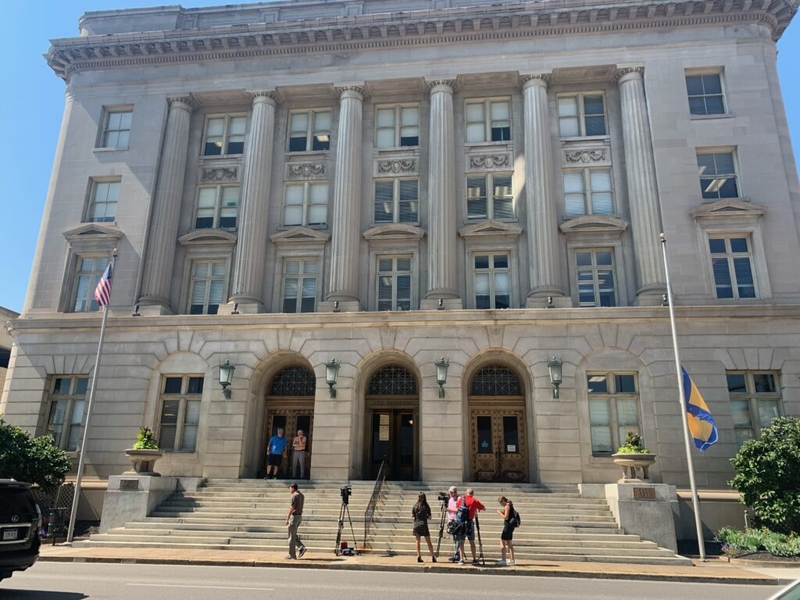
Charleston City Hall in Charleston, West Virginia. (Photo by Lori Kersey/West Virginia Watch)
While serving as state auditor, Mark Hunt tried to extract settlements for clients who had been in car wrecks involving the city of Charleston, West Virginia.
Charleston city officials have called it a “conflict of interest” since the state Auditor’s Office is responsible for reviewing its financial records every year. It’s another installment in controversies coming to light involving the recently indicted auditor.
Hunt is a personal injury attorney with more than 30 years practice in the Kanawha Valley. He was indicted Monday on federal charges on multiple counts related to nine delinquent tax deeds he signed for Robert L. Johns.
Federal prosecutors said Hunt, 66, of Charleston, overruled career employees at the Auditor’s Office and issued the deeds after they found Johns had not complied with the law.
Hunt sent the city letters between March and July 2026, declaring he was representing a woman injured in a car crash and the estate of a woman who had died in one, according to documents West Virginia Watch received from a public records request.
Hunt asked for settlements ranging from $11,000 to $15,000 to resolve one case, the documents showed.
“We believe it is a conflict of interest and any negotiation involving public funds with the state auditor in a legal matter would not be in the best interest of the taxpayers of the City of Charleston,” said Matt Sutton, chief of staff for Charleston Mayor Amy Goodwin, wrote in a statement to West Virginia Watch.
The state auditor is in a unique position in regards to the state’s 232 municipalities. Every year, his office analyzes their books to find accounting errors, improper use of funds and to check if they’re solvent. The auditor also oversees how cities use their purchasing cards, too.
While there’s nothing in state law barring the auditor from moonlighting as a private practicing attorney, West Virginia state code is clear that public officials cannot use their office for private gain.
Hunt, in a response to emailed questions, said he got two opinions from the state Ethics Commission stating it was legal to work as a part-time lawyer and to represent cases against the city of Charleston.
“Have 2 State Ethics opinions that say OK to be full time Auditor and part time lawyer,” Hunt wrote.
West Virginia Watch reached out to the state Ethics Commission, but did not receive a response.
One March email exchange about a client Hunt would represent shows the official seal of the state Auditor’s Office on it.
“Private email, don’t know how they got it?” Hunt wrote on Thursday in an email. “I only use it between friends. It’s a free outlook email. I did not correspond with them on it other than 2 words. ‘Thank you.’”
A couple weeks later, the Auditor’s Office sent a letter to the Kanawha County prosecutor about the city’s latest audit. Audits typically are not completely clean and have findings.
Though the letter said the office didn’t believe there was anything warranting civil or criminal action, they wanted to bring it to the prosecutor’s attention, citing state code that requires notification if they believe a law may have been violated.
The city hadn’t received such a letter since at least 2019, according to a records request.
Hunt said he has nothing to do with the chief inspector, the division within his office that oversees municipal audits.
“Chief inspector runs own ship,” Hunt wrote. “I am not informed on minor audit findings.”
The city eventually raised its concerns to Attorney General JB McCuskey regarding Hunt.
“We reached out and provided information to the attorney general, and others, to determine the best course of action to move forward,” Sutton said. “Based on that guidance, we took the appropriate steps until the parties notified us of new legal representation.”
Hunt confirmed that he no longer represents the plaintiffs in the case. Neither case has resulted in a lawsuit. McCuskey declined to comment on the concerns raised by the city.
The Citizens for Responsibility and Ethics in Washington, a D.C.-based watchdog group that examines conflict of interest in government, called the situation questionable in light of the indictment.
“Hunt has already violated the public’s trust by apparently abusing the power of his office, giving them reason to question whether there was any impropriety in the overlap between his private personal injury practice and official duties,” said Cynthia Brown, the organization’s senior ethics counsel.
Del. Tristan Leavitt, R-Kanawha, has been leading the charge against Hunt. He said the situation adds a new layer to a pile of problems Hunt is facing.
“West Virginia has ethics laws directly addressing this issue and they would undoubtedly factor into House impeachment proceedings if Mark Hunt doesn’t resign,” Leavitt said.
Hunt has remained steadfast that he committed no wrongdoing, issuing a statement Monday that he would focus on the work of the Auditor’s Office while defending himself against the federal indictment.
On Thursday, he had this to say to the more than 480,000 West Virginians who voted for him 2024.
“Office running smoothly, up $23 million this year alone,” Hunt wrote. “Once again I checked with all appropriate officials before doing anything.”
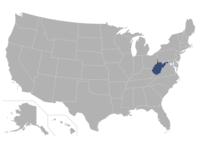
Charleston, WV