Veterans Day US House vote on contentious bill incenses vets
Nov 20, 2026 | 4:41 pm ET
Description
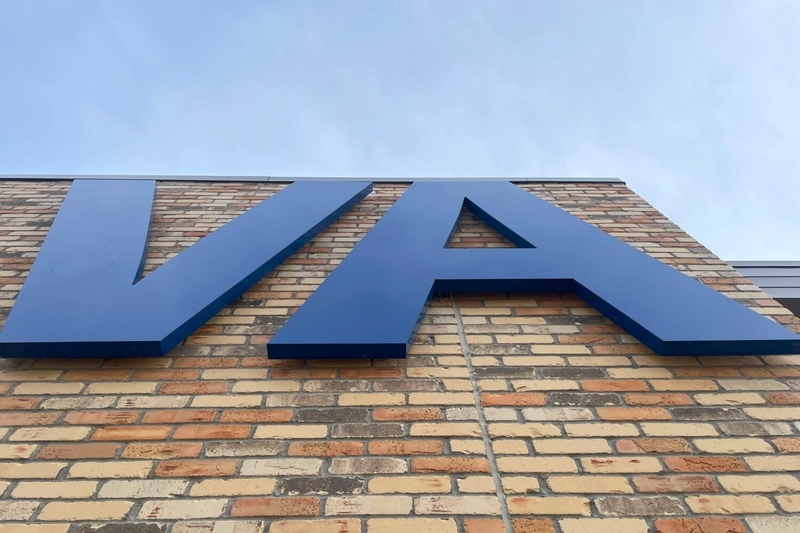
The U.S. Department of Veterans Affairs medical campus in Rapid City, South Dakota. (Seth Tupper/South Dakota Searchlight)
WASHINGTON — Many military veterans are opposing a U.S. House-passed proposal to revamp retirement and disability benefits, saying it threatens future veterans’ compensation.
The House passed two bills last week that address the issue. What’s at stake is whether some 58,000 — and counting — medically retired veterans who suffered combat-related injuries before meeting 20 years of service can receive both full disability and full retirement, and who pays for it.
Under current law those medically retired before reaching the 20-year mark do not receive full retirement.
The standalone Major Richard Star Act, which would provide full disability and retirement benefits to veterans who were injured in combat before reaching 20 years of service, passed Nov. 12 in an overwhelming 392-18 vote.
The other measure, a package that combined 60 pieces of veterans-related legislation, passed by voice vote a day earlier, on Veterans Day. That package, titled the Take Care of America’s Veterans Act, or TCAVA, includes the Major Richard Star Act.
While the Major Richard Star Act contains no provision for funding the benefits increase, the TCAVA does in the form of cutting future disability support for sleep apnea and tinnitus, as well as raising funding fees on VA home loans.
Sleep apnea and tinnitus are common injuries among veterans who are exposed to repeated loud noises and poor sleep conditions. Tinnitus, or persistent ringing and buzzing when no sound is present, ranked first among all disability compensation recipients in 2025, according to the Veteran Benefits Administration’s annual report.
The TCAVA also combines dozens of provisions meant to streamline some VA infrastructure and health professional credentialing, as well as expand benefits for caregivers and survivors, including allowing survivors who remarry before age 55 to continue to be eligible for benefits, among other measures.
The Major Richard Star Act would cost $13 billion over the next decade, according to the nonpartisan Congressional Budget Office. The budget office does not have an estimate for TCAVA.
The Senate is only in session for four more weeks in the 119th Congress, and it’s unclear if the Republican-led Senate will take up either bill for a vote. An aide in the office of Majority Leader John Thune, R-S.D., said leadership does not have an update on the bills at this time.
Future cuts?
Several veterans have spoken out against TCAVA, expressing concern that future veterans will have to pay for retirement and disability benefits that current veterans should be entitled to in full.
“That's a problem I have, and my daughter just joined the Marines recently. If that passes, that takes away possible disability benefits from her in the future, if something were to happen to her,” combat U.S. Army veteran Matt Inscho, 44, told States Newsroom in an interview Thursday.
Inscho, who lives in Indiana, Pennsylvania, deployed twice to Afghanistan and Iraq over six-and-a-half years until he medically retired after suffering migraines and blackouts. His main duties included repairing military aircraft.
States Newsroom received numerous emails from veterans unhappy with the TCAVA.
Veterans service organizations, including DAV: Disabled American Veterans and the VFW, have also spoken out against TCAVA, particularly taking issue that the Republican-controlled House passed the bill by voice vote on Veteran’s Day.
“On a day when America honors the brave men and women who stepped forward to defend our freedom, House leaders chose to sneak through legislation threatening earned benefits for millions of veterans, their families and survivors,” said DAV National Commander John Donovan in a written statement after the vote.
“If Members of Congress believe these cuts are justified, they should have the courage and integrity to put their names on the record and defend them to the veterans they represent,” he added.
House Speaker Mike Johnson’s office did not respond to a States Newsroom request for comment.
The American Legion, which supports both bills, said claims that TCAVA would cut future benefits is “not quite the story.”
Issuing new rules to overhaul disability categories “has been something that the VA has been working on,” American Legion’s deputy legislative director, Bailey Bishop, told States Newsroom Friday.
“There is a specific protection written into (TCAVA) that says that VA may not use this new rating system … as an excuse to go back and pull veterans who have already been rated for these conditions and look at them again,” Bishop said.
The legion has also praised the proposal for combining dozens of bills that will affect more than 32 million veterans and family members, according to the organization.
“At the end of the day, we want to do the most amount of good and reach the most amount of people,” Bishop said.
Democratic discharge petition
Rep. Mark Takano of California, the top Democrat on the House Veterans Affairs Committee, filed a discharge petition in May to bypass leadership and bring the standalone Major Richard Star Act to the floor for a vote.
Republican Rep. Nancy Mace of South Carolina became the 218th signature — the number required this Congress to trigger a vote — on the petition in September, just before the midterm recess.
Other Republicans who signed the petition included Reps. Anna Paulina Luna of Florida, Thomas Massie of Kentucky, Jason Van Drew of New Jersey and Brian Fitzpatrick of Pennsylvania.
The bill overwhelmingly passed on Nov. 12, with only 18 Republicans in opposition, the majority of whom belong to the House Freedom Caucus, which sometimes opposes government spending.
Rep. Tim Burchett, a Tennessee Republican, recorded and posted a video on social media as he was leaving the U.S. House after voting against the bill.
“The Democrats, as you remember yesterday, messed up, and so now they're trying to pull the Richard Star bill back, and so they can pass it again,” Burchett said, referring to Democrats’ failure to force a roll-call vote on TCAVA the previous day. “But theirs does not have a pay-for, so it just adds to the $40 trillion in debt, and that's a terrible way to run government.”
Democratic Rep. Jim Clyburn, D-S.C., praised the bipartisan passage of the Major Richard Star Act, crediting Takano’s discharge petition for “clearing the way for a vote.”
“For months, the legislation stalled in the House amid disagreements over its cost among House Republican leaders. Instead, they passed legislation that would create the largest cut to veterans’ benefits in history,” he said in a statement referring to the GOP-led voice vote passing TCAVA on Veterans’ Day.
The Major Richard Star Act was introduced in March 2025 of this Congress with Republican Rep. Gus Bilirakis of Florida as the main sponsor.
The TCAVA was introduced in June 2026 by Republican Rep. Mike Bost of Illinois.
Major Richard Star was a combat veteran who developed lung cancer after burn pit exposure and who advocated for disabled veterans until his death in 2021.
All States Newsroom content is free to republish. Read our republishing policy for more information.