Former foster parents’ attitudes sour toward Kansas child welfare system
Nov 19, 2026 | 8:54 am ET
Description
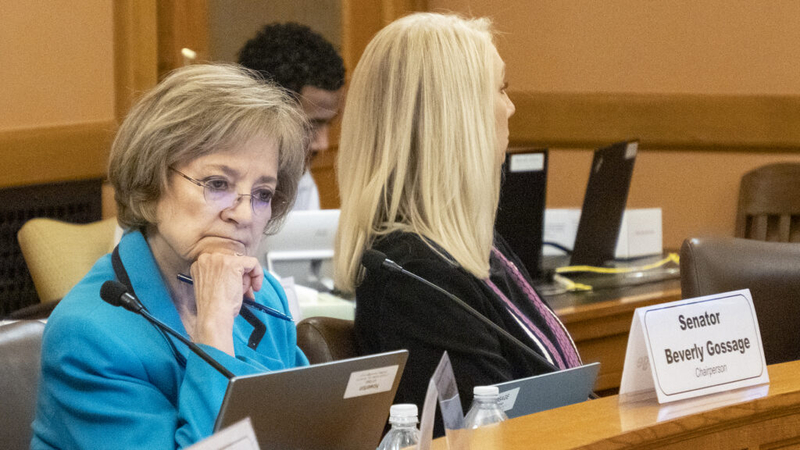
Sen. Beverly Gossage, a Republican from Eudora, says a report on the feelings of former Kansas foster parents "is very telling,” and legislators ought to listen to them. She appears here on March 31, 2025. (Photo by Sherman Smith/Kansas Reflector)
TOPEKA — Kansas foster care parents who left the system described themselves in 2022 as “glorified babysitters” and pointed to a lack of respect from the state’s foster care agency.
A year later, the Legislature passed the Gail Finney Memorial Foster Care Bill of Rights, which attempted, in part, to establish caregivers as primary members of a foster care team.
But a 2026 survey of former foster care parents found “an alarming rise” in perceptions of institutional pushback and retaliation.
The state Office of the Child Advocate presented this year’s survey results Tuesday at a joint bipartisan child welfare committee meeting, where lawmakers discussed priorities ahead of the upcoming 2027 legislative session.
Kansas lost roughly 1,000 licensed foster homes between 2020 and 2025, according to data from Who Cares, a national count of foster homes and families. The number of youths in care has decreased during that time, too, from more than 7,200 to 5,600.
“Parents didn’t leave because they stopped caring about kids,” said Brook Town, the lead case investigative analyst for the child advocate office. “They left because the system made it too hard for them to stay.”
More than 51% of survey respondents said they didn’t feel valued as members of their foster child’s planning team. More than 31% reported experiencing retaliation from the child welfare system. In 2022, only 18% of respondents said the same.
The office sent the survey this summer to more than 1,000 former foster parents, and 312 responded, which was about half of the number of parents the office surveyed in 2022.
Town likened the child welfare system to a vehicle in need of maintenance.
“That foster parent attrition is kind of like that check engine light,” Town said. “It tells us something is going on, but where is it?”
This year’s respondents said inadequate communication, training and flexibility needed improvement. Town pointed to survey results that indicated quick turnover rates early on. Roughly 60% of homes closed within three years. More than 20% of homes closed within the first year.
Parents said in the survey they felt unequipped to deal with foster children’s trauma. More than 51% said initial foster care training adequately prepared them for a foster child, which was a 10-percentage-point drop from 2022.
More than 100 respondents cited unresolved conflict or lack of agency support as a direct cause of closing their homes to foster children.
“I think this report is very telling, and we need to be able to listen,” said Sen. Beverly Gossage, a Eudora Republican.
The full report is expected to be available Friday.
Topeka, KS