West Virginia records 886 adoptions this year; need for teen and sibling homes persists
Nov 19, 2026 | 6:00 am ET
Description
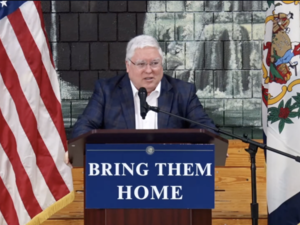
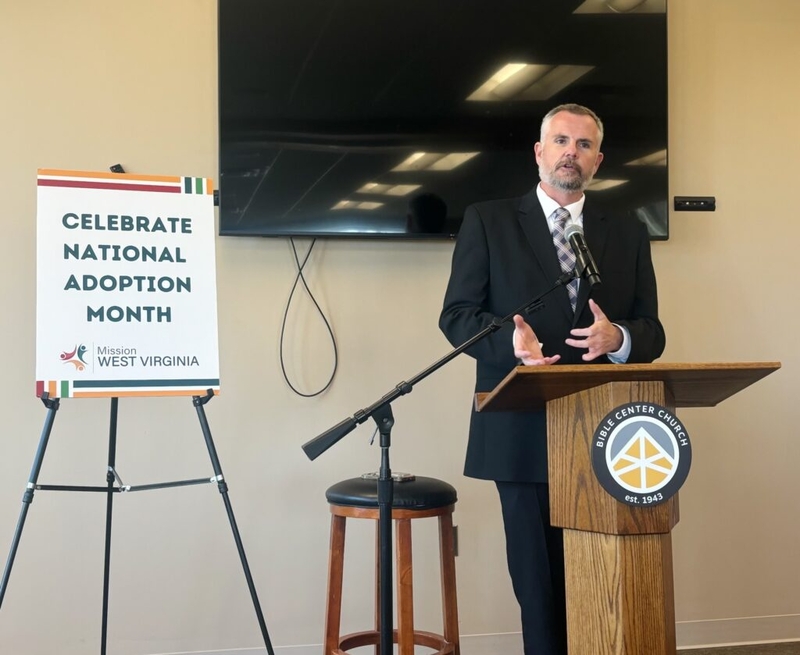
West Virginia Department of Human Services Secretary Carl Ayers speaks at an Adoption Month Press Conference at Bible Center Church in Charleston, West Virginia, on Nov. 18, 2026. (Photo by Amelia Ferrell Knisely/West Virginia Watch)
There have been 886 child adoptions so far this year in West Virginia, and child welfare officials expect that number to climb by the New Year as they seek to place children in permanent homes.
But the need for adoptive families persists, especially those willing to take teenagers and sibling groups.
Linzi Moyer entered foster care at age 10 after the death of her biological mother. After living in multiple foster homes and youth shelters, an adoptive family in South Charleston, West Virginia, took her in at age 14.
“I began to lose hope I would find my forever family,” she said. “But little did I know I had found my forever home. As time went on, I began to feel comfortable, happy and loved. I started to realize that I didn’t have to worry about not having a family anymore.”
Her adoptive mother, Amanda Moyer, stressed, “Behind every child waiting for an adoption is a story they didn’t choose and circumstances … Whether a child came to me by birth, adoption or fostering, they deserve to know that they belong there.”
Carl Ayers, secretary of the state Department of Human Services, said between 5,600 and 5,800 children are in foster care daily in West Virginia.
The state continues to have the highest rate of children coming in to foster care.
“There are children that we cannot get back home, and we need them to have permanent families,” Ayers said. “We have children that are available for adoption today.”
Amanda Moyer shared difficulties in the adoptive process while a child who’s been through trauma adjusts to a family. The process involved a therapist to help.
“At a very young age, she had lost everything. So naturally, when she came to live with us, there was an adjustment. She had to learn to follow rules. She had to learn that schoolwork was important,” she said. “Fostering and adoption are quite frankly one of the hardest, if not the hardest thing, but one of the most rewarding things I have ever done, and I love it.”
Mission West Virginia supports an online photo guide of youth who are eligible to be adopted and willing to share their story. A quarter of those youth have since been delisted due to matches and permanency with family. Registration is required to view the youth profiles.
“Remember that youth have chosen to share their personal information with faith that a potential family will feel a connection. Many in our state are familiar with the numbers that make up foster care in West Virginia, but not the names and faces,” said Rachel Kinder, FrameWorks director at Mission West Virginia.
Gov. Patrick Morrisey has pushed closer coordination with faith-based organizations to address the state’s foster care crisis.
Melissa Ballard, a community coordinator with Chestnut Mountain Village, detailed how the organizations help churches support foster and adoptive families through support groups, babysitting, laundry services, meals and more.
“All these things might seem small, but having ongoing support of the local church helps the family to feel that connection and know that they’re not alone,” Ballard said.
Amanda Moyer said that while not everyone will be an adoptive family there is something for everyone to do to support children in need of permanent homes.
“If you can’t foster, you volunteer. If you can’t volunteer, you donate. And if you can’t donate, you educate, network, and share,” she said. “There is a job for everyone in this process, and every step is important … Every child is one caring adult away from being a success story.”
Charleston, WV