NJ has low preterm birth, infant mortality, but maternal deaths and racial disparities persist
Nov 17, 2026 | 6:00 am ET
Description
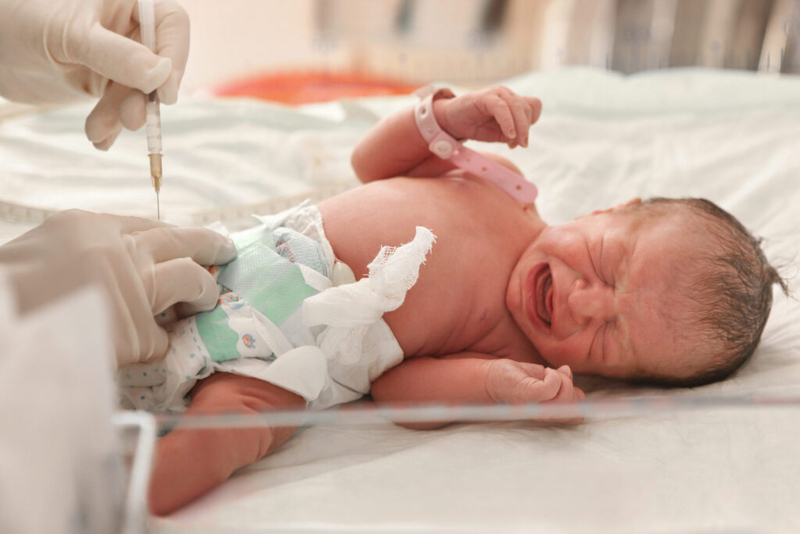
A new annual report from the March of Dimes shows New Jersey compares well nationwide when it comes to preterm birth and infant morality, but the news is less positive for maternal deaths and racial disparities. (Stock photo by Coral222/Getty Images)
New Jersey has one of the nation’s lowest infant mortality rates and preterm births are relatively rare, but maternal mortality rates — and the racial disparities in those death rates — remain higher here than they are nationwide.
The latest annual March of Dimes report card, released Tuesday and based on data from multiple years, ranked New Jersey second nationwide for its infant mortality rate of 3.4 deaths per 1,000 live births, and eighth for number of babies born before their due date, 9.2% pregnancies that are carried full term.
“New Jersey’s strong rankings in preterm birth and infant mortality are encouraging and reflect important progress in maternal and infant health. But the state’s maternal mortality ranking and persistent racial disparities remind us that there is still significant work to do, and we cannot afford to lose momentum in ensuring that every mother and baby benefits from that progress,” said Adelisa Perez-Hudgins, a vice president at the nonprofit Health Care Quality Institute, which has prioritized maternal child health.
Nationwide, 10.4% of the babies born in 2025 were preterm, or delivered before 37 weeks, increasing their risk of health issues, according to the maternal and infant health advocates annual report. The infant death rate averaged 5.5 out of 1,000 live births in 2024, when about 20,000 babies died before their first birthday, it said.
New Jersey’s maternal death rate — once among the highest nationwide — continued to hover above the national average, with 24.8 women dying while pregnant, while giving birth, or up to 42 days later, out of every 100,000 healthy births, based on data from 2020 through 2024, according to the report. Nationwide, the maternal mortality rate averaged 23.1 over those five years.
The report did not provide single-year state-level maternal mortality data for 2024 or 2025.
That report found the maternal mortality rate averaged 14.4 per 100,000 live births over those three years. It also showed Black women were nearly seven times — and Hispanic women some 3.5 times — more likely to die than white New Jerseyans.
Perez-Hudgins said the state has taken important steps to improve outcomes, but the data available doesn’t yet show how it’s working.
“What we do know is that far too many women, particularly Black women, face unacceptable risks during pregnancy and after childbirth,” she said.
Racial gaps also persist nationwide, the March of Dimes found, especially in infant mortality.
Black babies in America died at more than twice the rate of white and Hispanic infants, and nearly three times the rate of Asian babies, according to data from 2022 through 2024. In New Jersey, the death rates were lower over those years, but the disparity was more severe, with a death rate of eight per 1,000 for Black infants and 2.3 per 1,000 for white babies, according to the report.
To improve outcomes in New Jersey, birthing hospitals have adopted best-practice protocols and the state invested in the perinatal workforce and made other policy changes to protect moms and babies. The March of Dimes report credits the state for extending Medicaid coverage for pregnant women for the first year after they give birth, ensuring nonclinical birth coaches called doulas can get paid by insurance, and having a commission to review these deaths.
New Jersey also created an authority to oversee maternal and infant health, which is building a headquarters in Trenton and working to expand birthing options and other services there. And it launched a nurse home visit program for new moms that has proven to reduce emergency room visits and connect families with services, which is slated to operate statewide starting next year.
Trenton, NJ