Black Belt food insecurity higher than state average, says analysis
Nov 17, 2026 | 6:01 am ET
Description
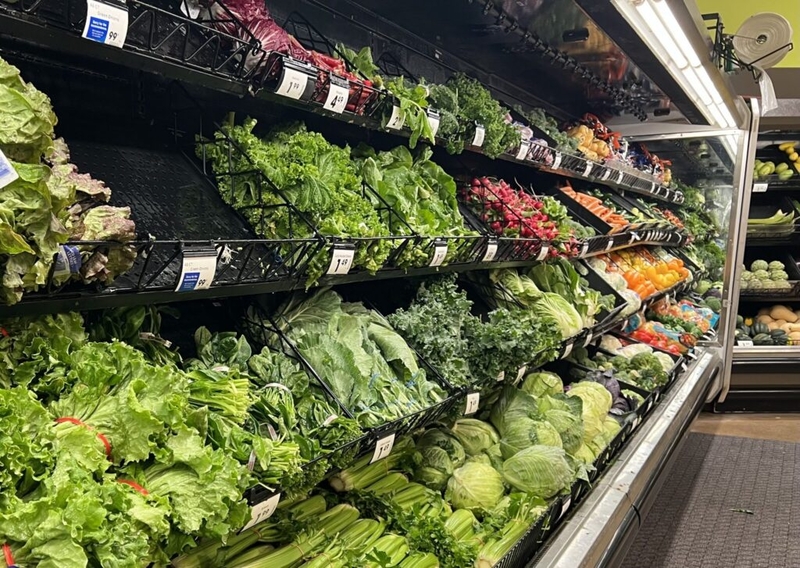
Bananas and cereals at a grocery store in Fairfax, Virginia, on March 3, 2011. A new analysis from the University of Alabama found that food insecurity is higher in the Black Belt than the state as a whole. (USDA Photo by Lance Cheung)
The Black Belt suffers from higher rates of food insecurity than Alabama averages, according to an analysis from the University of Alabama.
The issue brief from the Education Policy Center reported that an average of 18.5% of residents in the Black Belt face food insecurity compared with 17.2% of residents outside the region. Researchers calculated the number based on figures obtained from the 2026 Map the Meal Gap report that Feeding America, a hunger-relief organization, published at the end of July.
“It is not even about skipping meals, but even worrying about, ‘Am I even going to be able to eat?’” said Garrett Till, a senior fellow with the Education Policy Center and one of the authors. “Whenever you are not eating, you are probably not going to be able to perform greatly at work. It plays into health; it plays into lifespan.”
The U.S. Department of Agriculture defines food insecurity as having limited or uncertain access to adequate food based on the economic and social conditions faced by a household.
The issue is particularly acute for children. According to the analysis, 29% of children in the Black Belt experience food insecurity, compared to about 23% in the parts of the state that are not considered part of that region.
The prevalence of food insecurity is higher in Alabama than in other parts of the country, according to the analysis. Nationally, about 48 million people living in the United States, roughly 14.4% of the total population, are food insecure. About 21% of American children experience food insecurity, while 24% of Alabama children are food insecure.
Poverty is but one factor that contributes to food insecurity, but a host of other issues, such as living in a food desert, also play a role. Some people living in rural areas lack access to adequate and nutritious food.
“It is based on geographic factors like the distance to an actual grocery store, actual locations that provide healthy food choices,” said Tessa Pickens, a graduate research associate at the University of Alabama and a coauthor of the analysis. “And again, it is that inability to overcome that cost barrier to get healthy food. That is what is going to go into that metric.”
The issue brief includes a map of Alabama that indicates roughly two-thirds of the Black Belt have both low income and little access to food sources. People in those areas must drive longer distances to purchase nutritious food.
“Even if you have the transportation, which is going to be a more stark number in the Black Belt, you have to have the transportation to get to a proper supermarket,” Till said. “Then you also have to weigh out, ‘Gas prices are going up, do I really want to burn the gas to go the 10, 15, 20-minute plus journey to buy healthy food.’”
The issue brief cited an example of using public funds to financially assist grocery stores. Illinois’ Grocery Initiative, for example, provides grants to reopen local grocery stores in food deserts. The issue brief also proposed food pantries partnering with local retailers to provide people with additional resources.
Montgomery