Central State University saw 25% decrease in preliminary fall enrollment, according to Ohio data
Nov 17, 2026 | 3:50 am ET
Description
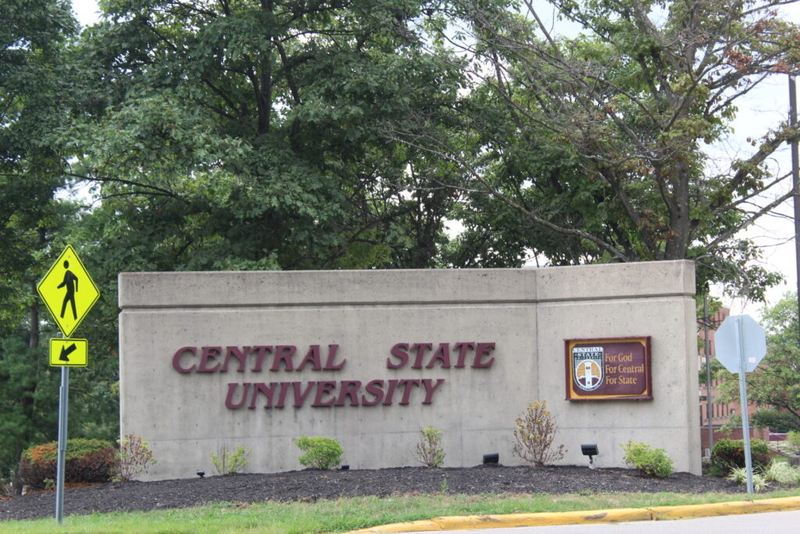
Central State University is Ohio's only public Historically Black College or University. (Photo by Megan Henry, Ohio Capital Journal).
Enrollment at Ohio’s public colleges and universities remained fairly steady this fall — seeing a 0.8% overall increase compared last year, according to preliminary headcount data from the Ohio Department of Higher Education.
There were 457,231 students enrolled in Ohio’s public colleges and universities this fall — which includes the state’s 14 public universities (both main and regional campuses) and 22 community colleges. There were 453,806 students enrolled last year.
Ohio public universities saw a slight dip in main campus enrollment this fall, according to the preliminary data.
There were 266,378 students enrolled in Ohio’s 14 public university main campuses this fall, according to the state’s department of higher education preliminary 2026 headcount. This includes high school students taking college classes, undergraduate students, and graduate students.
This is a 0.2% decrease from 2025’s preliminary headcount, which was 266,961.
Total preliminary headcount in 2026:
- Bowling Green State University: 18,585 students — a 2.5% increase.
- Central State University: 1,681 students — a 25.4% decrease.
- Cleveland State University: 12,446 students — a 5.4% decrease.
- Kent State University: 24,813 students — a 0.8% decrease.
- Miami University: 18,871 students — a 2.4% increase.
- Northeast Ohio Medical University: 1,252 students — a 8.6% increase.
- Ohio State University: 62,010 students — a 1.1% increase.
- Ohio University: 25,905 students — a 3.3% decrease.
- Shawnee State University: 3,513 students — a 6.5% decrease.
- University of Akron: 14,013 students — a 0.4% decrease.
- University of Cincinnati: 46,230 students — a 1.5% increase.
- University of Toledo: 14,029 students — a 1.8% decrease.
- Wright State University: 10,607 students — a 0.1% decrease.
- Youngstown State University: 12,423 students — no increase.
Central State, Ohio’s only public Historically Black College or University, saw the biggest decrease with 25%.
“A portion of the decrease can be attributed to our decrease in online students,” Central State University spokesperson TiaMarshae Johnson said in an email to the Capital Journal.
There were 37,581 students enrolled at Ohio’s regional campuses — a 7.3% increase.
Kent State’s East Liverpool and Ashtabula campuses both saw a 38% increase in enrollment. Miami University’s Middletown campus saw a 34% decrease.
Ohio community college enrollment went up 1% to 153,272 students for fall 2026, according to preliminary fall headcount data.
Hocking College, which reported 1,540 students, saw the biggest drop in enrollment with a 16.4% decrease.
Northwest State Community College, which reported 3,325 students, saw the biggest increase in enrollment with 12.4%.
Ohio Department of Higher Education Chancellor Mike Duffey cautioned the preliminary data is not predictive.
“The long-term trends are more directionally accurate,” he said in a statement. “The trends favor the bigger schools overall, the ones in major cities – generally selective institutions with endowments or community colleges with tax levies.”
This is the second school year since Ohio Senate Bill 1, a controversial higher education law, has been in effect. The law bans diversity efforts, prohibits faculty strikes, and regulates classroom discussion at Ohio’s public universities.
The law also creates post-tenure reviews, puts diversity scholarships at risk, sets rules around classroom discussion, and creates a retrenchment provision that blocks unions from negotiating on tenure, among other things.
The national birth rate fell nearly 23% from 2007 to 2022, according to the Centers for Disease Control and Prevention. This means the number of high school graduates was expected to peak last year and then decline steadily through 2041, according to a report from the Western Interstate Commission on Higher Education.
Follow Ohio Capital Journal Reporter Megan Henry on X, Bluesky, or Instagram.
Columbus, OH