A third of US abortions were provided by non-physicians last year, Guttmacher says
Nov 12, 2026 | 5:19 pm ET

Description
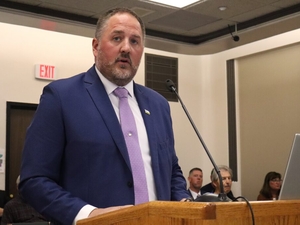
In 2025, more than 360,000 abortions — about a third of all U.S. abortions last year — were provided by advanced practice clinicians rather than physicians, according to new data released by the Guttmacher Institute. (Photo by Anna Spoerre/Missouri Independent)
In 2025, more than 360,000 abortions — about a third of all U.S. abortions last year — were provided by advanced practice clinicians rather than physicians, according to new data released by the Guttmacher Institute, a think tank that researches and advocates for abortion access.
Twenty-five states and the District of Columbia allow abortions to be provided by health providers who are advanced practice clinicians, a category that includes physician associates, advanced practice registered nurses, nurse practitioners, certified midwives and certified nurse midwives.
The new findings show that abortions provided by advanced practice clinicians – which included both procedures and those by pill – accounted for nearly a third of all abortions nationwide last year, not counting self-managed abortions or those obtained outside the formal medical system. The organization says these types of providers fill a crucial access need at a time of OB-GYN shortages and more than a dozen state abortion bans.
Arizona nurses say Prop. 139 should give them the right to perform abortions
“These data help to illustrate the critical role that (advanced-practice clinicians) play in providing abortions across the country, including in many underserved communities,” said Isaac Maddow-Zimet, Guttmacher data scientist and study lead, in a written statement. He added that such providers also provide counseling and follow-up care “even in states where they are not permitted to provide direct abortion services.”
Whether advanced practice clinicians can provide abortions varies by state laws and regulations, with many states limiting the types they can provide to aspiration procedures in the first trimester or pills. Twenty-five states and the District of Columbia allow at least some non-physician occupations to provide abortions. The states include: Alaska, California, Colorado, Connecticut, Delaware, Hawaii, Illinois, Kansas, Maine, Maryland, Massachusetts, Michigan, Minnesota, Montana, New Hampshire, New Jersey, New Mexico, New York, North Carolina, Ohio, Oregon, Rhode Island, Vermont, Virginia and Washington.
Arizona, Pennsylvania and Wisconsin could also consider allowing those providers to offer abortions after Democrats won trifectas in this month’s midterm elections and promised to expand abortion access.
The American College of Obstetricians and Gynecologists recommends allowing advanced practice clinicians to provide abortions, saying in an issue brief that restricting abortion care provision to only physicians or board-certified OB-GYNs “are not based in science; improperly regulate medical practice; and impede patients’ access to quality, evidence-based health care.”
In 2016, the U.S. Food and Drug Administration changed the guidelines around the abortion drug mifepristone, permitting advanced practice clinicians such as midwives to prescribe mifepristone.
In the years since Roe v. Wade was overturned, several states, including Alaska, Michigan, North Carolina and Ohio, have struck down physician-only abortion laws.
An ongoing lawsuit brought by nurses and midwives in Arizona challenges laws barring them from providing abortion, saying they violate the state’s constitutional amendment enshrining abortion rights passed in 2024.
After striking down many of Missouri’s abortion restrictions earlier this year, a judge upheld that state’s physician-only law, noting the difference in training for different types of abortions.
Stateline reporter Sofia Resnick can be reached at [email protected].