New Mexico energy affordability council recommends 22 ratepayer protection, clean energy measures
Nov 11, 2026 | 6:00 pm ET
Description
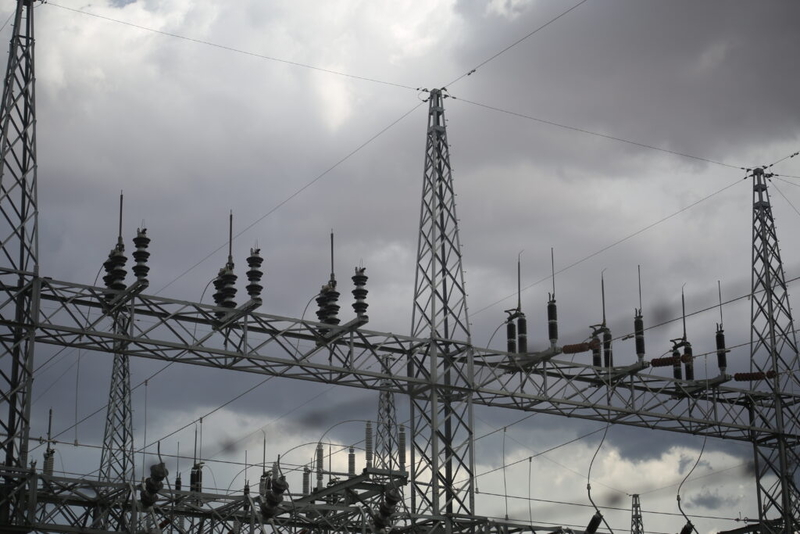
Power lines at the Algodones Electric Generating Station between Rio Rancho and Santa Fe. (Photo by Danielle Prokop for Source NM)
As developers for energy-hungry projects such as data centers and advanced manufacturing hubs seek to build in New Mexico, the state’s utilities will face challenges in shielding ratepayers from increased costs and hitting the state’s clean energy goals, according to a new report.
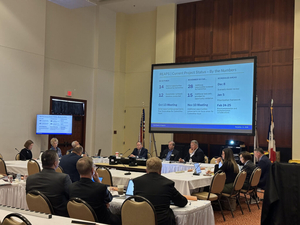
The report, which Gov. Michelle Lujan Grisham’s Energy Affordability and Grid Reliability Council announced on Tuesday, recommends 22 measures state leaders can take to protect residents from increased costs and boost grid reliability while meeting those clean energy goals.
Lujan Grisham established the 13-member Energy Affordability and Grid Reliability Council, which includes state cabinet secretaries, power company executives and energy experts, via executive order in April. She charged them with producing recommendations that could guide the Legislature’s work during the upcoming session that begins in January.
The report cites the contrast between the growing demand for New Mexico’s energy — particularly from data centers, advanced manufacturing facilities and increasingly electrified oil and gas operations — and the state’s goals of adopting carbon-free energy resources as the underlying challenges its recommendations seek to address.
Its 22 recommendations fit into four main categories: ratepayer protection; grid modernization and reliability; clean energy progress; and permitting efficiency.
Specifically, it recommends that the Legislature adopt legislation focused on large-scale development guardrails and ratepayer protections. It also recommends that the Public Regulation Commission support battery storage projects and that lawmakers expand the types of carbon-free energy sources utilities can use to comply with the state’s Energy Transition Act. And it recommends that the governor’s office establish a state-level infrastructure permitting council to streamline coordination among the various state agencies that issue permits for new developments.
“The future of energy is already here, and once again New Mexico is ready to lead,” Lujan Grisham said in a statement. “These recommendations give us a path to protect ratepayers, bring more power onto the grid and keep our energy clean, all at the same time.”
Don Tarry, president and CEO of PNM’s parent company, TXNM Energy Inc., who served as vice chair of the report’s council, in a statement said that “meeting growing demand requires careful planning and prudent investment.”
PNM is seeking to be acquired by private equity firm Blackstone Infrastructure. While the takeover has hit several speed bumps, including one in which state regulators deemed a financial transaction between the two parties to be illegal, Tarry and other PNM leaders have long maintained that a firm like Blackstone would give the utility the cash it needs for much-needed modernization.
During interim legislative committee hearings this year, lawmakers have often grappled with how to bolster New Mexico’s aging power grid. Protecting ratepayers has also been a key focus for utility regulators amid allegations that the state’s largest electric utility significantly overbilled rural customers during a meter reader shortage.
The report’s recommendations come as Lujan Grisham, who is term-limited, is set to leave office at the end of the year. Gov.-elect Deb Haaland, a fellow Democrat, will preside over the 2027 legislative session and has pledged to sign a statewide data center moratorium immediately upon taking office so lawmakers can craft bills with guardrails for the energy-intensive developments.
State Rep. Meredith Dixon (D-Albuquerque), who sat on the 13-member council, in a statement said the report gives lawmakers “a practical starting point” for the upcoming session.
“Families and small businesses need electricity they can afford and depend on,” she said.
Santa Fe, NM