JLARC: Data center tax break accounts for 60% of Virginia’s incentive spending
Nov 10, 2026 | 5:25 am ET
Description
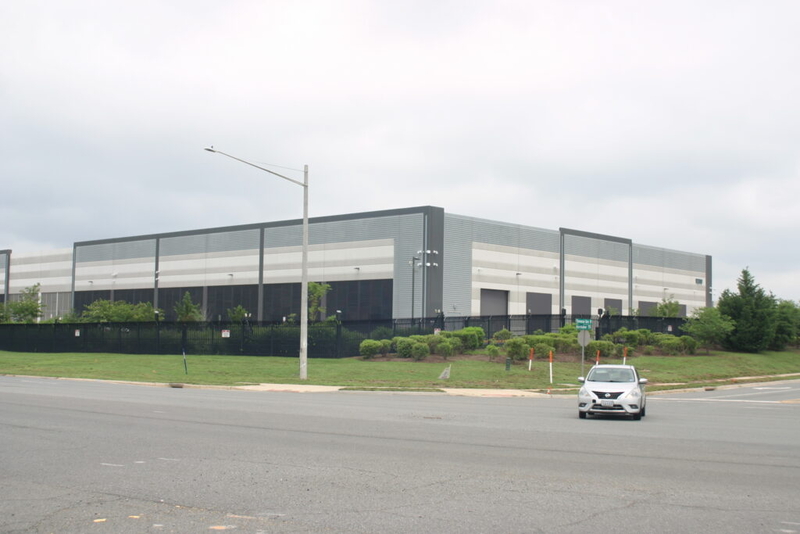
Data center in Prince William County, VA. (Photo by Shannon Heckt/Virginia Mercury)
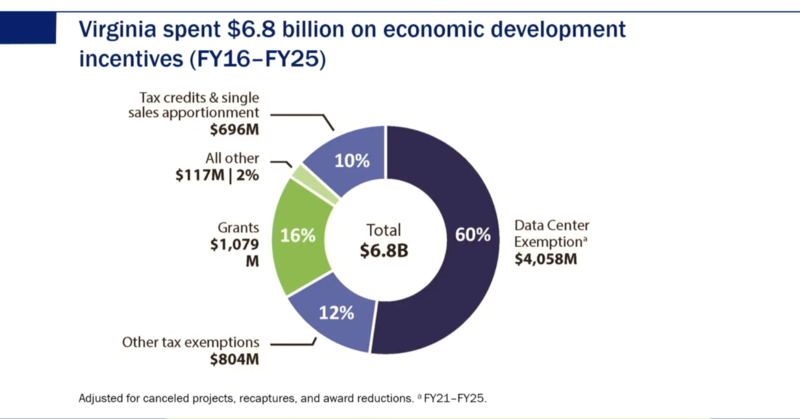
Virginia spent more than $7 billion on economic development incentives over the past decade, with 60% going to a data center exemption that helped stall budget negotiations earlier this year.
The incentives include tax exemptions and project grants, according to the latest review by the Joint Legislative Audit and Review Commission.
“Data center growth in the state has resulted in dramatic increases in spending estimates on the exemption beginning in fiscal year 2021,” Ellen Miller, JLARC’s chief economic development and quantitative analyst, told lawmakers Monday.
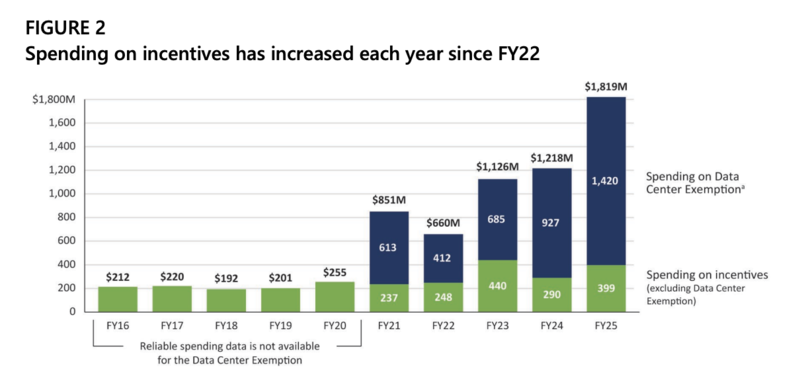
JLARC analyzed the incentives to determine the state’s return on investment. From fiscal year 2021 through fiscal year 2025, Virginia spent $4.5 billion on the sales and use tax exemption for data centers.
The exemption allows data center companies to avoid the state’s 5.3% tax on the frequent computer system replacements needed to upgrade technology within the facilities.
It is by far the largest incentive offered by the state. The next largest, Manufacturing Single Sales Factor Apportionment, cost Virginia $254 million over 10 years, accounting for just 4% of total spending. The Virginia Business Ready Sites Program followed at $223 million from fiscal year 2016 through 2025.
“Growth in the data center exemption spending was greater than spending on other incentives, more than doubling between FY23 and FY25,” the JLARC report stated.
Even excluding the data center tax exemption, overall spending on incentives increased. JLARC also revised its methodology to give the exemption less weight in determining why data centers locate in Virginia, based on statistical analysis of tax exemptions for the industry across the country.
“Prior reports assumed between 90 to 100% of data center activity occurred because of the exemption,” Miller said. “This report uses a lower assumption, assuming only about 50% of the activity occurs because of the data center exemption.”
The report found that grants often yielded the greatest returns for the state in tax revenue and job creation. Those include the Semiconductor Manufacturing Grant Fund, the Space Flight Operations Facilitation Program, and the Pharmaceutical Manufacturing Grant Program.
The data center exemption’s estimated net impact on the state’s economy totaled 18,130 jobs over the last five years. The report also found that the data center industry created an average of 29 jobs per $1 million in investment from 2021 through 2025.
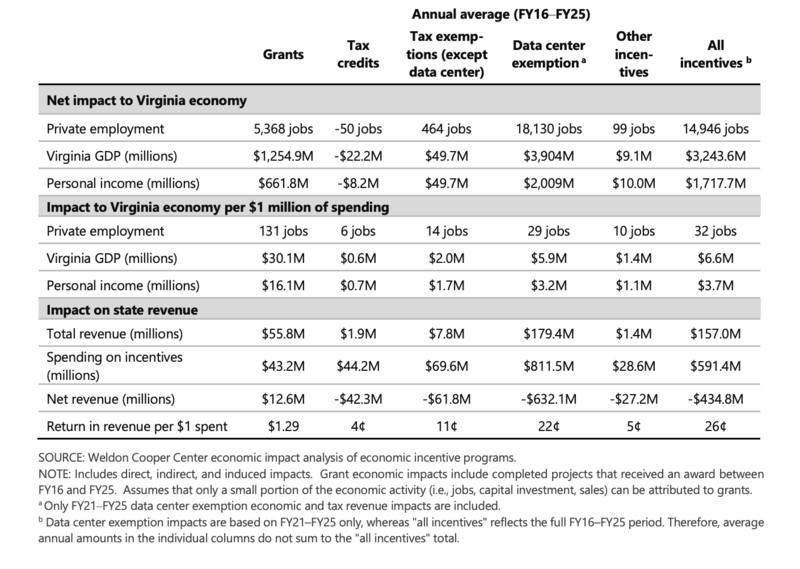
The industry’s investments increased the state’s gross domestic product to by nearly $4 billion and had a net impact on personal income of about $2 billion.
JLARC found that the data center tax incentive generated 22 cents in state revenue for every dollar spent. However, the report does not account for local investments and revenue in localities that have welcomed data centers.
Loudoun County, home of the so-called Data Center Alley, reported $1.2 billion in real and personal property tax revenue, accounting for 39% of the county’s budget. JLARC’s 2024 report on data centers provides more details on local impacts.
JLARC officials suggested that the sales and use tax exemption’s influence on location decisions may continue to decrease amid rising public opposition to data centers.
“This is because power availability, availability of other infrastructure, and community acceptance have become large concerns to the extent that they become greater concerns and impact location decisions more than the exemption,” Miller said.
Earlier this year, lawmakers engaged in a prolonged debate over whether to continue the sales and use tax exemption. The final budget plan kept it in place while adding an energy consumption tax and other regulations for the facilities. Some legislators have promised to revisit the debate during the next legislative session, which begins in January.
Richmond, VA