Landfilling isn’t ideal, but it’s better than waste incineration for Montgomery
Nov 06, 2026 | 10:47 pm ET
Description
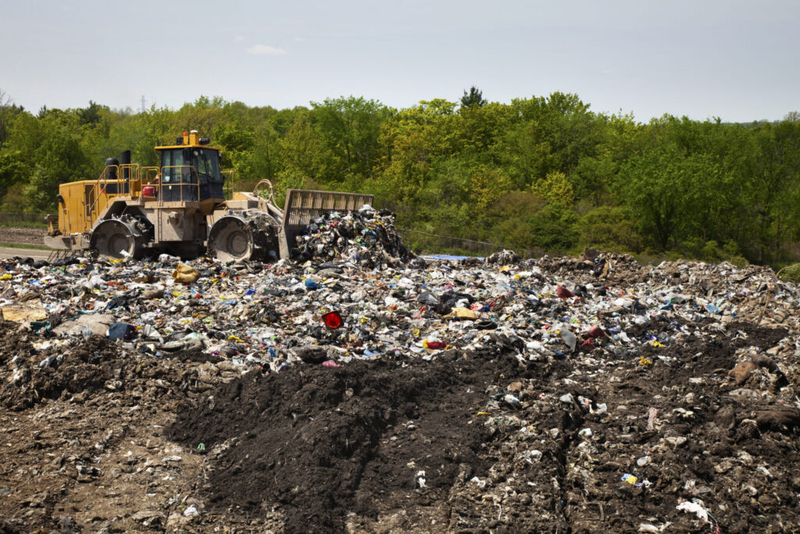
The choice Montgomery County faces, between shipping its trash to a landfill or burning it, is not an easy one, writes Jerry Kickenson, but shuttering the incinerator in favor of hauling trash at least provides incentives for a better future in the long run. (Stock photo by Benjamin Rondel/Getty Images)
There has been much debate on the fate of the Montgomery County trash incinerator (euphemistically called a Resource Recovery Facility, or RRF). Deciding on the best option is not easy – there are issues with all approaches. However, continuing the operation of the incinerator is the wrong choice that will likely kill any chance of true waste reduction and recycling in the future.
Continued operation of the incinerator will require upgrades. Yet the county’s contractor estimated $356 million would be needed to upgrade the incinerator to higher standards. Furthermore, the county indicated that a competitive procurement process “may result in higher costs than estimated,” and even this “cost estimate did not consider the cost of relocating the ash disposal” (from the Sept. 15 staff report). If the county needs to spend hundreds of millions of dollars on incinerator upgrades and ash relocation costs, can we reasonably expect it to, in parallel, invest sufficiently in recycling, composting and Advanced Waste Processing?
Regarding ash relocation, some hope the Interstate 95 landfill in Fairfax County, Virginia, might be used. Yet the county indicated in the staff report that the I-95 landfill “will need additional capacity to receive Montgomery County’s ash, which would also increase costs.” Staff did not even estimate those costs. If I-95 doesn’t work out, will the ash continue going to Henrico, which is not a monofill (a site dedicated to toxic ash, considered best practice for ash disposal), and already an overburdened community?
What other options exist for ash disposal? Brunswick is in Maryland, but the staff report states that, “Changing the disposal location of the ash from the Republic Services’ Old Dominion landfill to the Brunswick monofill will result in additional costs and a long-term contract.” A long-term contract for incinerator ash disposal is the last thing we need. Other options are in New York and New England. Should we truck (if rail is not feasible) to these locations?
Additionally, incineration discourages waste reduction. This is demonstrated in the analysis “Waste Incinerators: Bad News for Recycling and Waste Reduction” from the Global Alliance for Incinerator Alternatives. Incineration requires waste – there is an incentive to provide it. Recycling, composting and Advanced Waste Processing do the opposite.
The current Dickerson incinerator contract is a fixed cost contract. That is, reducing the waste going to incineration will not reduce the county’s costs. The staff report states that, “Costs and solid waste charges with Advanced Waste Processing (AWP) and long-hauling of residual waste to a landfill are projected to be similar to the costs for upgrading and retaining the RRF.”
The report goes on to say: “The current cost estimate did not factor in the consideration that the County could reduce costs with long-haul by further reducing the amount of waste created and recycling more. That is not possible with a rebuild of the incinerator: those are fixed costs even if trash is reduced.”
The staff report summarizes the issue nicely: “Paying for long-haul on a per-ton basis means that reduced trash will cost less. There is a built-in incentive to reduce trash and recycle more. While theoretically we all want to reduce the amount of trash generated, it requires investment in education, staff and recycling technology. We don’t have financial capacity or incentive to reduce trash and increase recycling with an incinerator, which is fixed cost; those costs do not change if we reduce our trash. By contrast, with long-haul of trash, we have the financial incentive and ability to move towards better environmental stewardship – reduce and recycle.”
I am concerned that if the county adopts continued operation of the incinerator, we will never invest in Advanced Waste Processing and effective recycling and waste reduction, especially given the tough budget environment we face now and for the next several years.
While opponents of the landfill option are rightly concerned with sending our waste to landfills in overburdened communities in neighboring states, continued incineration does not resolve that concern – it just changes it from landfilling high volume standard waste to lower volume, but highly toxic, waste. This is not a choice between incineration or landfill. It is a choice between landfill of standard municipal waste while investing in waste reduction over time, and incineration with landfill of highly toxic waste with no financial incentive to reduce waste.
Switching to long-haul to a landfill while we go all in on waste reduction is not perfect, but it at least promises a better future. That is the direction Montgomery County should be moving in.
Annapolis, MD