The government must not be required to fund discrimination
Nov 03, 2026 | 12:11 pm ET
Description
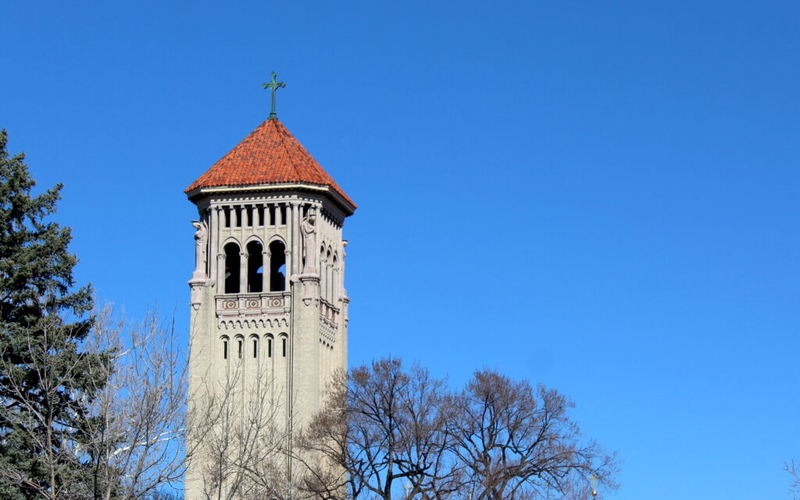
Christ the King Chapel, at the Archdiocese of Denver campus, is pictured in 2021. (Photo by Faith Miller/Colorado Newsline)
The U.S. Supreme Court today heard a Colorado case that could walk back what legal precedent has established for years.
In 2020, Colorado voters overwhelmingly approved a tax-funded universal preschool program. The Legislature passed a law to implement the program, including basic requirements such as a minimum number of instructional hours, maximum educator-to-child ratios, qualification standards for teachers and other best practices.
The statehouse also required preschool providers to give children an “equal opportunity to enroll and receive preschool services regardless of race, ethnicity, religious affiliation, sexual orientation, gender identity, lack of housing, income level, or disability” of both the child and their family. This seems perfectly in line with a universal program, as universal typically means all — without exception.
However, some religious preschools, including St. Mary’s Catholic Parish, refused to agree to this nondiscrimination requirement and sued Colorado to be let into the program anyway, arguing that Colorado was discriminating against their religious beliefs by requiring them to admit LGBTQ+ children or children with LGBTQ+ families to get funding. Apparently, to them, “universal” should allow exceptions.
If it seems backward to suggest that states can’t condition funds on reasonable requirements, that’s because it is. In fact, most government-funded programs include conditions that must be met before funding is available. Nondiscrimination requirements have been mandated to receive funding for decades. For example, in 1981, the Maternal and Child Health Services Block Grant was amended to require funded programs to comply with the Age Discrimination Act, the Americans with Disabilities Act and the Civil Rights Act’s nondiscrimination requirements. Even school voucher programs typically require participating private schools to comply with nondiscrimination requirements.
Even more backward is the suggestion that states must fund private entities even when those entities openly state their intention to discriminate, just because the discrimination is based on a religious belief. Governments cannot be in the business of funding discrimination. To require Colorado taxpayers to fund preschools that openly intend to discriminate against LGBTQ+ people because of a religious belief opens the door to state funding for other types of discrimination based on claimed religious beliefs. Any attempt at defining what counts as a religious belief would require deciding that some beliefs don’t count as religious. Preventing the government from making that choice is exactly what the First Amendment was intended to do.
It was not so long ago that religious beliefs were used to justify slavery and later segregation. It was barely a generation ago, in 1983, that Bob Jones University argued that it was an unconstitutional limitation on its free exercise of religion to have its tax-exempt status revoked because of its religious beliefs prohibiting interracial dating and marriage. There, the Supreme Court decidedly declared that prohibiting discrimination was an overriding governmental interest that justified limitations on religious liberty. It said that racial discrimination in education violated a fundamental national public policy and that “not all burdens on religion are unconstitutional.”
Requiring preschools to admit students without regard to their identities or the identities of their parents to receive government funding — taxpayers’ money — should be a settled issue. Just as those at St. Mary’s can quote the Bible to justify discriminating against LGBTQ+ people today, so too did those at Bob Jones University quote the Bible to justify their racially discriminatory admission policy.
If schools want government benefits, they have to play by the government’s rules. Colorado says universal means all preschoolers. Colorado taxpayers voted to fund every preschooler. The Supreme Court must not reverse decades of law that has established where the line between religious liberty and illegal discrimination stands.
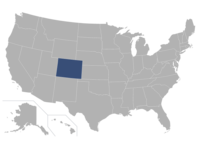
Denver, CO