I want a cure for brain tumors, so I’m going to vote for it
Oct 29, 2026 | 3:18 pm ET

Description
(iStock / Getty Images Plus)
Scientific research is the reason we have treatments for thyroid cancer, surgery options for breast cancer patients, and hope for individuals fighting brain tumors. For five years, I fundraised and ran marathons to raise money for scientific studies researching the causes of, and treatments for, cancers, including an aggressive brain tumor that my stepfather passed away from in 2019.
Now, as a public health scientist, I rely on federal funding to research infectious diseases and the tools that keep communities healthy. This year, instead of running and fundraising for a cure for brain cancer, I’m voting in the midterm elections.
Clinical trials are a crucial component of medical scientific research. These trials test potential treatments for many diseases, including cancers, and rigorously screen for efficacy and safety. Many are funded by the National Institutes of Health, a federal organization whose budget is controlled by, and voted on, by our elected officials each year. Our representatives in the U.S. Senate and U.S. House are decision-makers on NIH funding increases and cuts. When science is deprioritized, funding falls, trickling all the way from Washington, D.C., to the Denver metro area.
Federal funding cuts to the NIH caused chaos and halted pediatric brain tumor clinical trials in Colorado earlier this year. As a result of decisions made by our elected officials, Colorado children and their families fighting the hardest battles at Children’s Hospital Colorado were thrust into the reality of what funding cuts to science mean: loss of potential treatments and loss of hope for patients. When my stepfather was enrolled in a clinical trial for his glioblastoma, our family was given hope and potentially more time. Even after he passed away, his participation in the trial and legacy means that the medical community is one step closer to finding a cure.
Research and hope for patients are at risk of being defunded, deprioritized and devalued by politicians, following trends of NIH delays and reductions since January 2025. I also know that the marathons and fundraising I’ve done cannot make up the entire gap in funding when our elected officials sideline scientific research. I believe that we need politicians in office who understand the value of science and research for the Colorado families that spend their lives in and out of hospitals, fighting for discoveries and cures.
When I cast my vote in the Colorado midterms, I want to vote for candidates who will listen to experts and follow the science for better health for my family and my communities.
I know the systems that dictate whether medical trials for potential cancer treatments are funded or not, because they are the same systems that govern my own scientific work. How our elected officials think about science and evidence now, during campaigns, can tell us exactly how they might support federal and state funding for child cancer research and other important medical studies.
I can’t vote for an immediate cure for brain cancer, but I can be informed when I head to the voting booth this fall about how candidates will utilize evidence in policymaking. Will the people on your ballot prioritize science? Clinical trials? Cures for brain cancer?
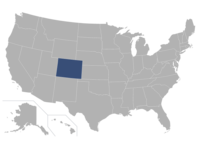
Denver, CO