Who is responsible for Yellowstone’s water quality? After whiplash between Biden and Trump, EPA says Wyoming.
Oct 29, 2026 | 6:22 am ET
Description
Photo courtesy of WyoFile
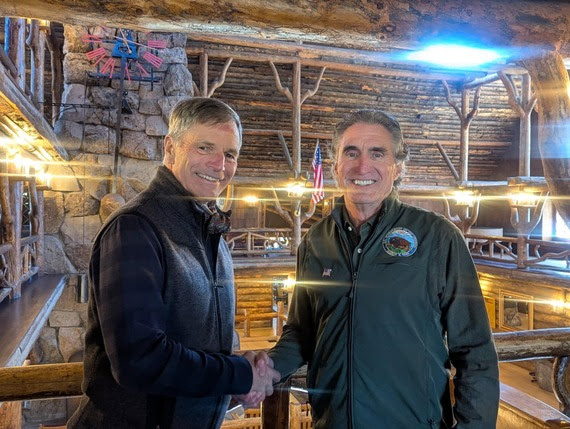
Interior Secretary Doug Burgum and Gov. Mark Gordon have struck a deal over Clean Water Act enforcement in America’s first national park. But what led up to the deal unfolded largely out of public view.
A new era of “concurrent jurisdiction” where Wyoming takes the lead in Yellowstone National Park was announced last week alongside a photo of Burgum and Gordon shaking hands.
“This is a proper and practical acknowledgement of the exceptional partnership of Wyoming’s DEQ and the National Park Service,” Gordon said in a statement.
Burgum tipped his hat to his boss. President Donald Trump has prioritized “cutting red tape and putting decisions closer to the people they impact,” the Interior secretary said.
“The people of Wyoming know its land and water better than Washington ever could,” Burgum said, “and the Wyoming Department of Environmental Quality has proven it has the expertise and commitment to protect its own water resources.”
Not included in the press release were details about several years of regulatory changes and disputes that preceded the deal. For over a half century leading up until 2023, the Wyoming Department of Environmental Quality took the lead on regulating water quality matters in Yellowstone National Park. That year, the Biden administration’s Environmental Protection Agency asserted that Yellowstone and 15 other national parks were “lands of exclusive federal jurisdiction” where the EPA ought to instead have the reins. The other national parks included Denali, Mount Rainier, Olympic, Hot Springs, Hawai’i Volcanoes, Yosemite, Sequoia, Crater Lake, Glacier, Rocky Mountain, Mesa Verde, Lassen Volcanic, Great Smoky Mountains, Mammoth Cave and Isle Royale.
The changes centered on sections 401 and 402 of the act, which concern point-source pollutants and discharges such as wastewater. In 2025, EPA also extended its jurisdiction in Yellowstone to include surface water quality standards.
Three industry groups and affected states, including Wyoming, weren’t happy about losing jurisdiction. In December 2023, they sued, asking a federal judge out of Louisiana’s Western District for an injunction that would prevent the change from happening.
“States, such as Wyoming, have a longstanding history of issuing 401 certifications for discharges originating within national parks located within the state’s boundaries,” the lawsuit stated. “Wyoming, for example, has issued 401 certifications in Yellowstone National Park since 1973 when Congress specifically gave States the authority to issue certifications within state boundaries.”
The states’ injunction request was denied. U.S. District Court Judge James Cain, a Trump appointee, agreed with the EPA that the “public interest is best served” by allowing the changes to remain in effect while the court weighed the case.
A final ruling never happened. In early 2025, the case was suspended to let the EPA review the issue early in the second Trump administration. This year the administration proposed and finalized regulatory changes to section 401 of the Clean Water Act, which was at the center of the legal dispute.
Although the Trump administration’s recent rule changes did not address national parks of “exclusive federal jurisdiction” such as Yellowstone, Burgum and Gordon’s agreement marks at least a temporary resolution to the issue in Wyoming.
The plan to hand authority back to Wyoming is being welcomed by the state’s Department of Environmental Quality, the federal Environmental Protection Agency and water quality watchdog groups. Jennifer Zygmunt, DEQ’s water quality division administrator, pointed out that there has never been any deficiencies identified with the job the state agency was doing in Yellowstone.
Wyoming’s standards sometimes even extended beyond those imposed by the EPA, Zygmunt said. Under the state system, for example, all surface waters in Yellowstone and other national parks are managed as “outstanding resource waters” (formerly class 1), she said, whereas the EPA did not have the same classification.
For that reason, the Wyoming Outdoor Council’s Lindsey Washkoviak called the planned resumption of Wyoming authority over Yellowstone waters a “good move.”
“DEQ has historically managed water quality in the park, and their rules are much more clearly defined than the federal government’s,” Washkoviak said in a statement. “The state classifies all of Yellowstone’s waters as ‘outstanding resources waters’ — meaning they are pristine and cannot be polluted past a certain level. When the federal government took over management of Yellowstone’s water quality last year, it was not clear whether EPA would honor that designation.”
Under EPA’s jurisdiction, there was a “worrisome loophole” that could have led to Yellowstone waters becoming more polluted, she said.
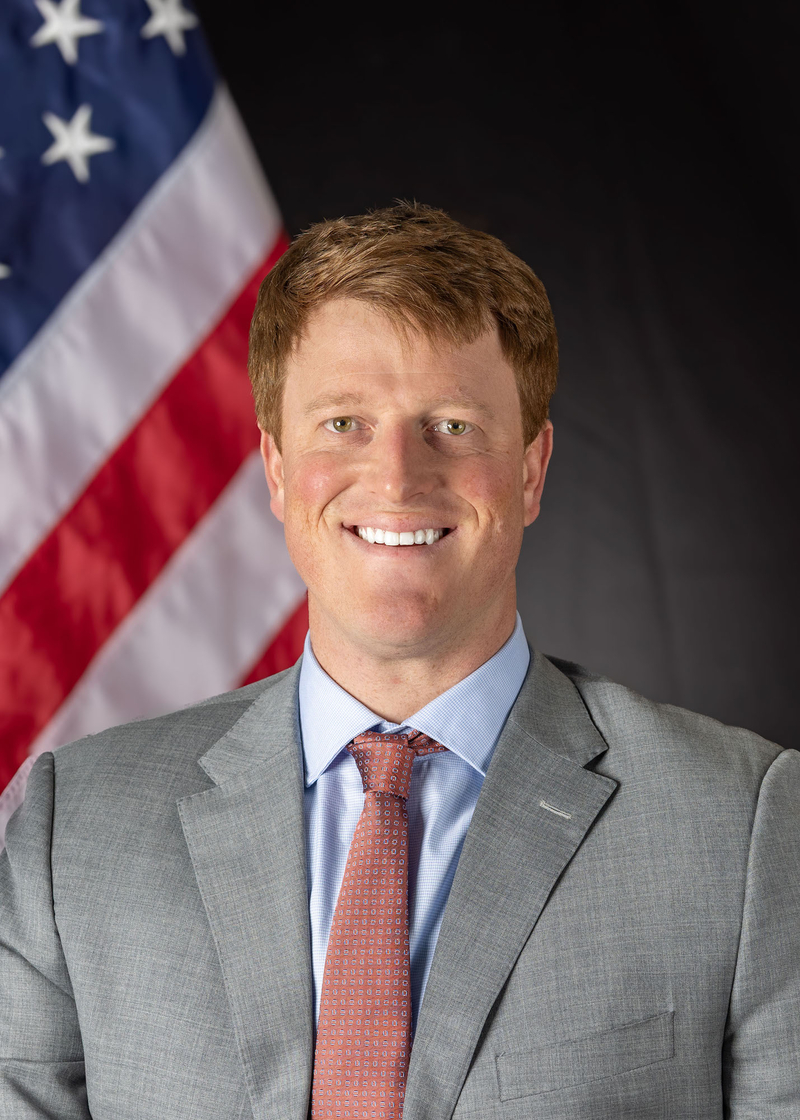
EPA Region 8 Administrator Cyrus Western, a former state lawmaker, told WyoFile that the agreement with Wyoming is an example of “cooperative federalism” that the Trump administration has emphasized.
“The state has done it, they know how to do it and they’ve got the staff on hand that have the skills and competency to handle it,” Western said. “So let’s figure out a way to do it — and ultimately, that’s exactly what happened.”
The EPA and DEQ’s draft agreement about the administration of Yellowstone waters has not been made public, but was submitted to Congress for a 60-day review on Oct. 16. Public input is not part of the process.
Congress does not vote on or approve the decision, but the two-month window allows lawmakers to raise any questions or concerns. After that, the Interior Department will finalize it.
The agreement calls for “concurrent jurisdiction.” But Wyoming will be taking the lead in terms of on-the-ground work and permitting, Western said.
“Wyoming is the permit writer for these discharge permits,” he said. “All the kind of quality checks that happen throughout the permit writing process, that’s all DEQ.”
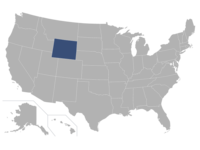
Cheyenne, WY