Enrollment increases at South Dakota technical colleges, despite drops in some programs
Oct 24, 2026 | 9:41 am ET
Description
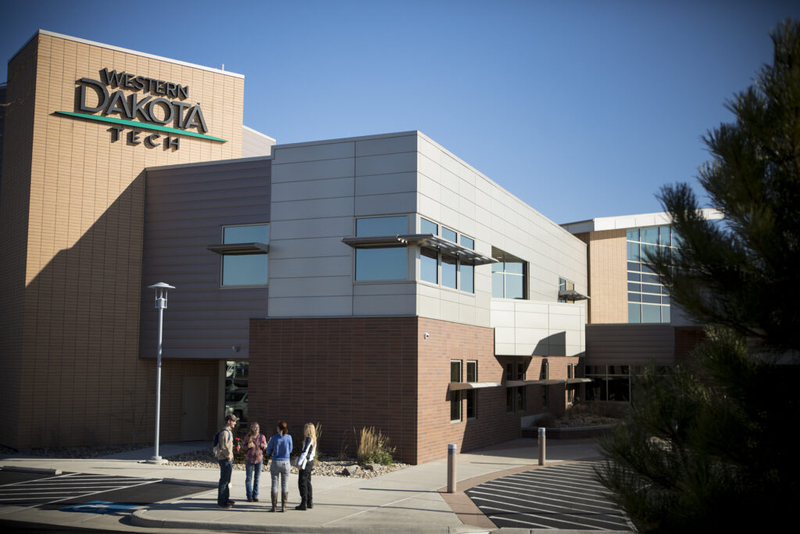
Western Dakota Technical College in Rapid City is one of the four technical colleges in South Dakota. (Courtesy of WDTC)
Enrollment at South Dakota’s four technical colleges increased, according to the 2026 fall enrollment report.
The state Board of Technical Education reviewed the report Thursday during its Rapid City meeting.
Total enrollment grew by 39 students over last year, reaching a record 7,813 across degree-seeking, dual-credit and non-degree-seeking categories. Dual-credit programs allow high-schoolers to earn both high school and college credit simultaneously.
By contrast, enrollment fell at South Dakota’s public universities by 294 students to 35,797, driven primarily by drops among undergraduate and international students.
Both systems reported a decrease in dual-credit enrollment. Among the public university system, dual-credit enrollment decreased by 10 students. Dual-credit enrollment at technical colleges decreased by 53 students, to 1,421.
Jenna Reis, policy and data analyst for the board, called it a “slight decrease.”
“I think our dual enrollment numbers still remain strong and are a great connection point for high school students to get connected to college coursework and get familiar with our technical colleges,” Reis said.
South Dakota public university enrollment drop includes fewer undergrad and international students
The drop in dual enrollment within the technical education system was entirely attributable to Western Dakota Technical College in Rapid City, where it decreased by 132 students, from 411 to 279. Dual enrollment increased at all other technical colleges.
“We saw that decrease, and we’re trying to diagnose it,” Nick Wendell, executive director of the board, told South Dakota Searchlight after the meeting. “We don’t have absolute certainty this early what led to that.”
Western Dakota Technical College President Kendra Ericson attributed the drop in dual-credit enrollment to “multiple factors,” including students or school districts taking courses through other institutions.
Ericson told Searchlight that the college no longer teaches in-person courses at the Meade School District, decreasing its district involvement from nine to eight districts. Meade School District Superintendent Wayne Wormstadt said students are still able to take courses online at Western Dakota and other higher education institutions across the state.
Dual enrollment at Black Hills State University increased by 48 students over last year and South Dakota Mines increased by six, according to data from the South Dakota Board of Regents.
Ericson also said the number of course sections Western Dakota faculty have taught at schools decreased for some districts.
Ericson told board members that students who take dual-credit courses are more likely to later enroll full-time at that institution. Dual credits earned at technical colleges or universities can carry directly into a degree program without needing to transfer. That pipeline has resulted in an 8% increase in degree-seeking students at the institution, she said.
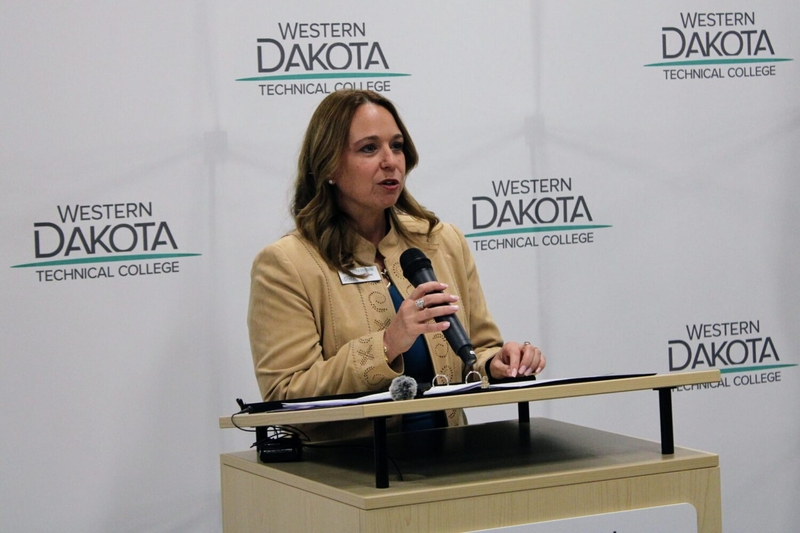
“From my standpoint, we’re not concerned,” Ericson said to Searchlight about the decrease. “We know we’re meeting the needs of our school districts and our enrolled students.”
In 2022, the Rapid City School District announced that it would no longer cover the cost of dual-credit enrollment at Western Dakota. The next year, dual enrollment at the college dropped by 38%, to 310 students.
After Western Dakota rebuilt dual enrollment over the next two years, the Legislature passed a bill in 2025 that shifted more of the cost of dual enrollment onto families. Ericson said that recent cost increase could also be a factor in Western Dakota’s decrease.
“Any time we have a change in cost structure that puts more on our students and families, we can always see a potential decrease in our enrollment because they don’t have the financial means to cover that,” Ericson said.
Health sciences remain the most popular programs at technical colleges, with enrollment growing by 147 students systemwide. Information technology enrollment dropped by 90 students systemwide, with 79 of those lost at Southeast Technical College in Sioux Falls.
Southeast Technical College President Cory Clasemann attributed the drop to uncertainty around the rapid growth of artificial intelligence.
“There is just some hesitation among students, particularly in that program, and that’s where we are seeing the drop at the moment,” Clasemann said, adding that he hopes it’s a “one year blip” as the college updates its Information Technology curriculum to align with AI advances.
South Dakota’s four technical colleges are in Sioux Falls, Watertown, Mitchell and Rapid City.

Pierre, SD