Lawmakers eye micro-hospitals as part of New Jersey’s healthcare future
Oct 22, 2026 | 6:48 am ET
Description
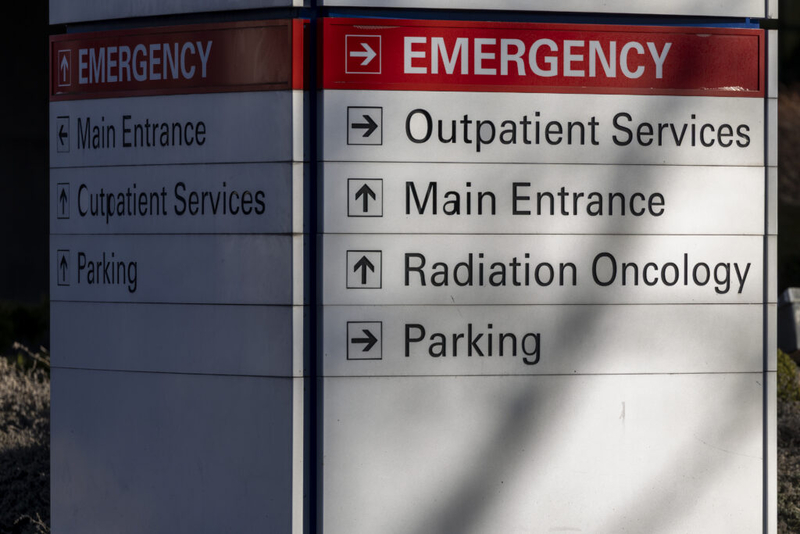
Lawmakers recently introduced a bill to enable licensed New Jersey hospitals to establish micro-hospitals, smaller facilities with lower costs that aim to expand access to care. (Photo by Anne-Marie Caruso/New Jersey Monitor)
New Jersey could join a growing national trend under new legislation that would allow for micro-hospitals, small emergency care facilities with limited space for inpatients and lower operating costs than traditional hospitals.
A handful of Democratic lawmakers recently introduced a bill to enable licensed New Jersey hospitals to establish micro-hospitals with up to 50 patient beds, as long as they are more than five miles from any competing acute care facility. The bill would also allow existing hospitals to convert or restructure an existing site as a micro-facility, with no restrictions on location.
“We don’t want to lose hospitals in rural and underserved communities. That’s a big focus of the bill,” said bill sponsor Sen. Joe Vitale (D-Middlesex), chairman of the Senate health committee.
Under the proposal, micro-hospitals could offer primary and emergency care, lab, X-ray, and other hospital services, but would not be forced to support an operating room or surgical team, something that is required for acute care facilities in New Jersey.
“It could be a way for hospitals to do what they do best, without worrying about services few patients use,” Vitale told the New Jersey Monitor.
The bill has not yet been scheduled for a hearing in the Legislature.
As proposed, the legislation calls for the state Department of Health to adopt necessary rules and regulations, but it would not create a new category of healthcare facilities under state law. Ambulatory surgery providers would not qualify to operate micro-hospitals unless they had a hospital license.
The New Jersey Hospital Association, which represents hospitals, nursing homes and elder care programs, has yet to take a position on the bill.
Micro-hospitals first emerged in the 1990s as a less-costly option to full acute-care facilities and are viewed as an effective way to reach rural patients and others who struggle to access medical services, according to a January 2026 article published by the National Institutes of Health.
These facilities generally feature an emergency room with roughly ten beds, plus a similar number of inpatient beds, a lab, and limited imaging services. They are usually staffed by doctors, nurses, and emergency medical technicians, many of whom are cross-trained, but don’t have multiple specialists on-site.
There is no nationwide tally of micro-hospitals, but the National Institutes of Health report said they tend to operate in states that don’t require a complex regulatory review for new hospital projects, like Texas, Colorado and, Arizona. Emerus, a nationwide for-profit hospital network, has teamed up with existing healthcare systems to open micro-hospitals in in Delaware and Pennsylvania.
Trenton, NJ