House members took a big step to boost recycling. It’s the Senate’s turn.
Oct 21, 2026 | 8:00 am ET
Description
Jon King
50 years ago, Michigan changed the way it handles empty beverage containers, but over the years we’ve fallen behind. We’ve fallen behind on the technology. We’ve fallen behind on the policy. We’ve fallen behind on the long trail of evidence that points to better, more effective solutions.
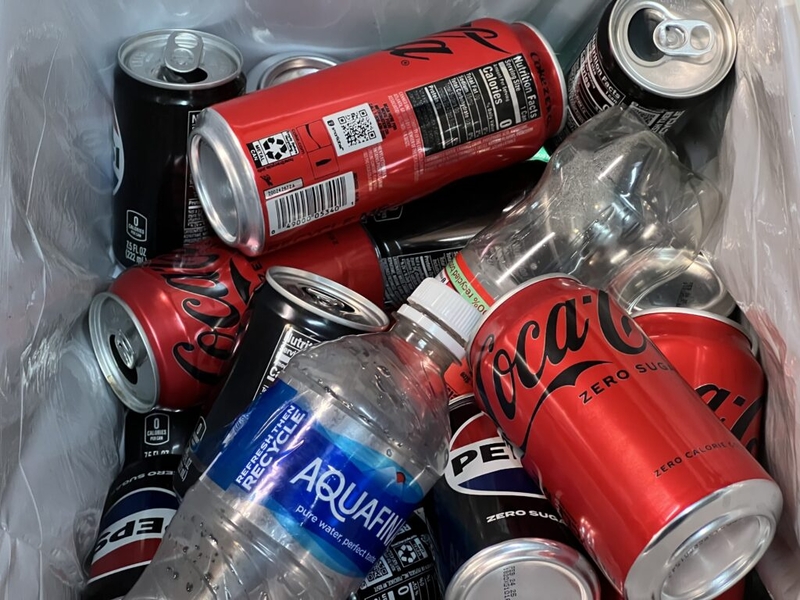
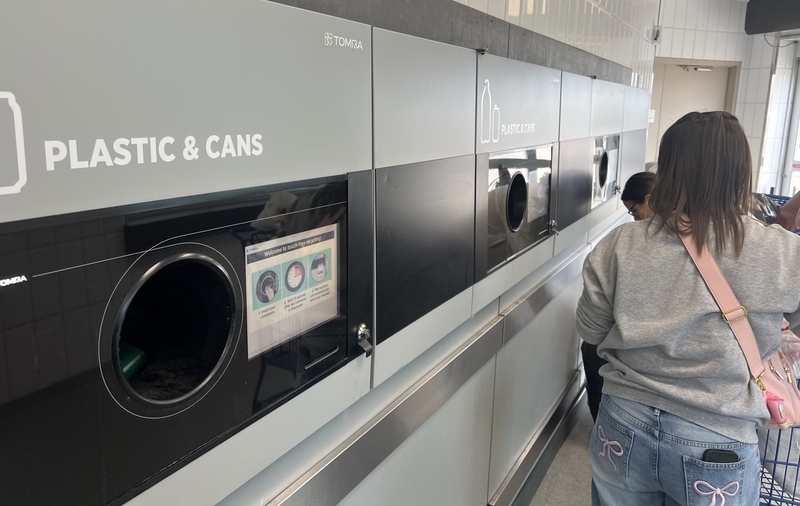
Michigan’s bottle bill adds a 10-cent deposit on canned and bottled carbonated beverages sold in the state, but we rarely think about what happens to the containers after we return them to the supermarket. We empty them, we bag them, we let them pile up and eventually we slowly feed them into a machine and get a refund.
But what happens to the bottles after they’ve gone down that conveyor belt? Believe it or not, that’s just the beginning of the process, and every step of the journey carries costs.
The Bottle Bill requires distributors to collect and process returned containers. For the first 13 years of the Bottle Bill, unclaimed deposits were used by distributors to build and operate the program on behalf of the State.
That made sense, because container recycling is worth the effort, but it isn’t cheap. It requires cleaning, sorting, trucking, storage, and processing. It requires logistics coordinators, mechanics, drivers and warehouse staff.
Unfortunately, in 1989, the Legislature changed the Bottle Bill into an unfunded government mandate on distributors, withdrawing investment in the infrastructure and operating expenses needed to make the Bottle Bill work.
In other words, the state withdrew support for investment in only this specific recycling program.
Instead, state government hit Michigan employers with a giant and costly mandated requirement – and for almost 40 years it hasn’t paid for it.
That’s a problem worth addressing, because over the course of those nearly four-decades, the technology, the knowledge, and the best practices when it comes to container recycling have all developed by leaps and bounds. It’s tough, though, to capitalize on new technologies and approaches without investment.
That’s why Michigan lawmakers deserve credit this year. They’ve recognized the need to invest, and they’re taking steps to make it happen.
Republicans and Democrats in the Michigan House of Representatives worked together earlier this year to pass a bill that will pump desperately needed investment into state-mandated recycling programs.
House Bill 5517 provides a small, targeted tax credit to help distributors maintain and modernize the infrastructure needed to pick up, store, clean, sort, crush, transport and remake containers returned for the 10-cent deposit.
The legislation provides Michigan’s beverage distributors with a tax credit equal to ½ cent per returnable container sold – a modest responsible fix that addresses a decades-old funding imbalance within the current deposit system.
Michigan’s beverage makers and distributors have invested significantly in deposit return program infrastructure, including new processing lines in metro Detroit and Grand Rapids, purchasing lower emission transportation vehicles, and much more. Throughout the decades, and despite disinvestment by the state, they’ve kept up their end of the bargain. Thousands of local employees, including union labor at facilities across Michigan work hard at recycling.
This legislation ensures these Michigan recyclers can continue to make the investments needed to carry out the costly state-imposed system of bottle deposit returns.
It’ll fund more efficient programs and cleaner systems and operations. It’ll pay Michigan workers who are keeping our state and our neighborhoods clean.
The bill passed with an overwhelming bipartisan 94 to 12 majority. Now it’s gone to the Senate where it’ll need approval before heading to Governor Gretchen Whitmer for a signature.
We’re committed to recycling and urge the Michigan Senate to take swift action too.
Lansing, MI